Badrutt's Palace review: St Moritz in its purest, most theatrical form
St Moritz — four nights in a lake-view room
FlexStays Editorial · 15 January 2026 · 8 min read · Our score 9.3/10
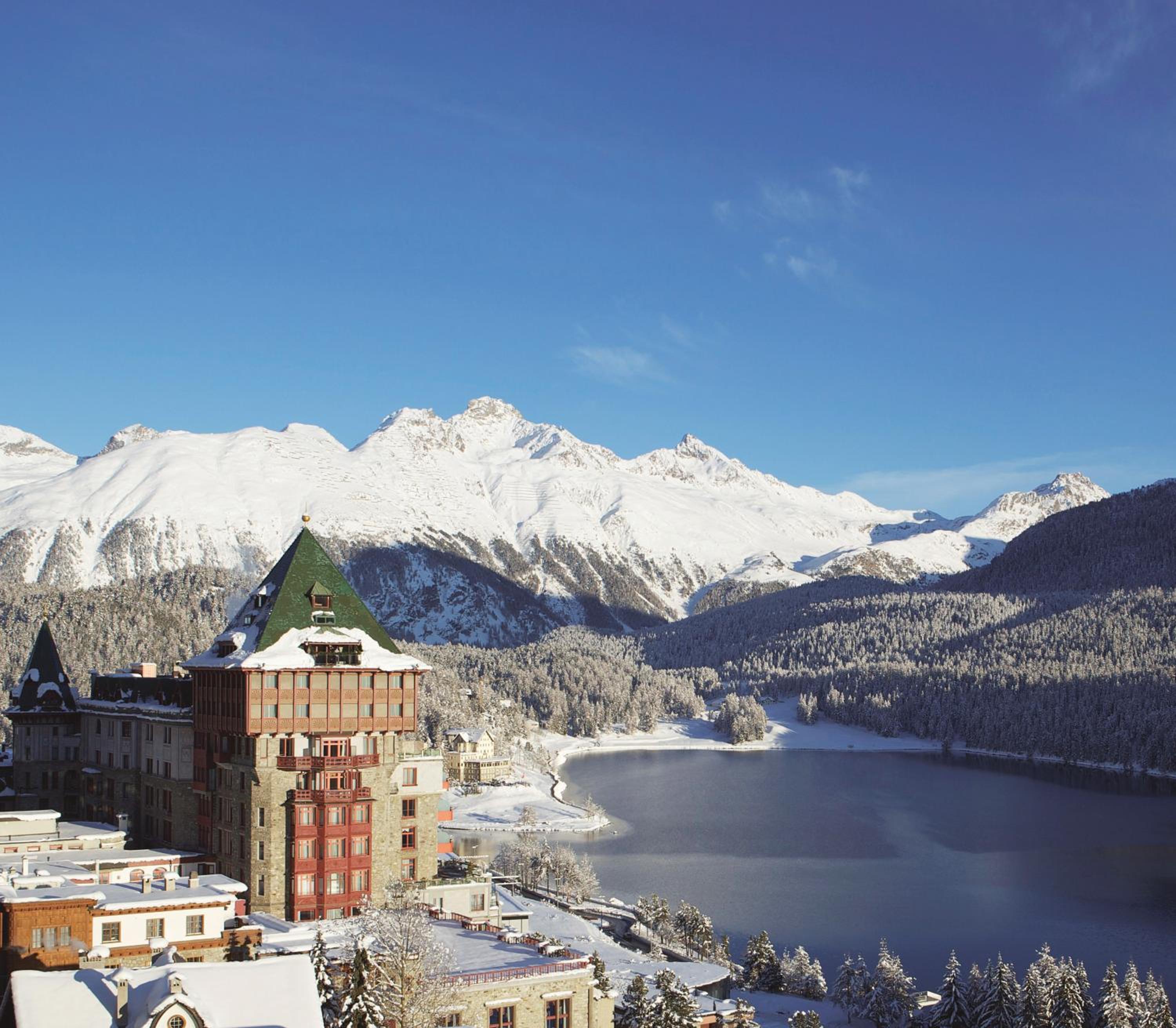
The Alpine grand hotel that invented the winter season. Lake views, a legendary bar and rates that swing wildly with the calendar.
What we liked
- Direct views over the frozen lake and the Engadin peaks
- Enormous spa, indoor pool and ski concierge
- Walk to the funicular and the town's shops
Worth knowing
- Closed for parts of spring and autumn
- The scene can feel formal and performative in high season
- February rates are among the highest in the Alps
An Alpine institution on the Engadin shore
To understand Badrutt's Palace is to understand the very origins of winter tourism in the Swiss Alps. In 1896, Johannes Badrutt stood before his guests and promised them a winter experience every bit as pleasant as the summer season they already knew. Since then, this stone fortress with its iconic green-roofed tower has served as the anchor for St Moritz. It is not merely a hotel; it is a theatrical stage where the global elite have performed for over a century. The architecture is a formidable blend of Gothic and Renaissance styles, commanding a position that stares directly across the lake towards the peaks of the Engadin.
Walking through the front doors, one is immediately struck by the Hall, a vaulted space that acts as the hotel's living room. It is a place of heavy timber, oil paintings, and an atmosphere that manages to be both intimidatingly grand and remarkably comfortable. The sense of history here is thick, yet the hotel avoids becoming a museum through a constant hum of activity. During the peak of the season, the lobby is a masterclass in people-watching, as guests in fur and bespoke tailoring move between the ski slopes and the evening's various social engagements.
A prime position in the heart of the village
The location is arguably the best in St Moritz, straddling the line between the bustling town centre and the serene expanse of the lake. For those here to ski, the logistics are handled with practiced efficiency. The hotel provides a shuttle to the Corviglia funicular, which is also reachable within a short walk for those who prefer the crisp morning air. This proximity allows guests to transition from a formal breakfast to the high-altitude runs of the Corviglia ski area in mere minutes, without the logistical headaches often associated with major Alpine resorts.
Beyond the skiing, the hotel sits at the epicenter of St Moritz's luxury retail district. The high-end boutiques of Via Serlas are quite literally on the doorstep, offering a distraction for those who find the wind on the mountain too biting. However, the true draw remains the lake. Whether it is frozen solid in February for the White Turf horse races or shimmering in the July sun, the water defines the view. The hotel's terrace, which hangs over the hillside, remains the most sought-after vantage point in town for a midday meal or a late-afternoon coffee.
Sleeping quarters from traditional to contemporary
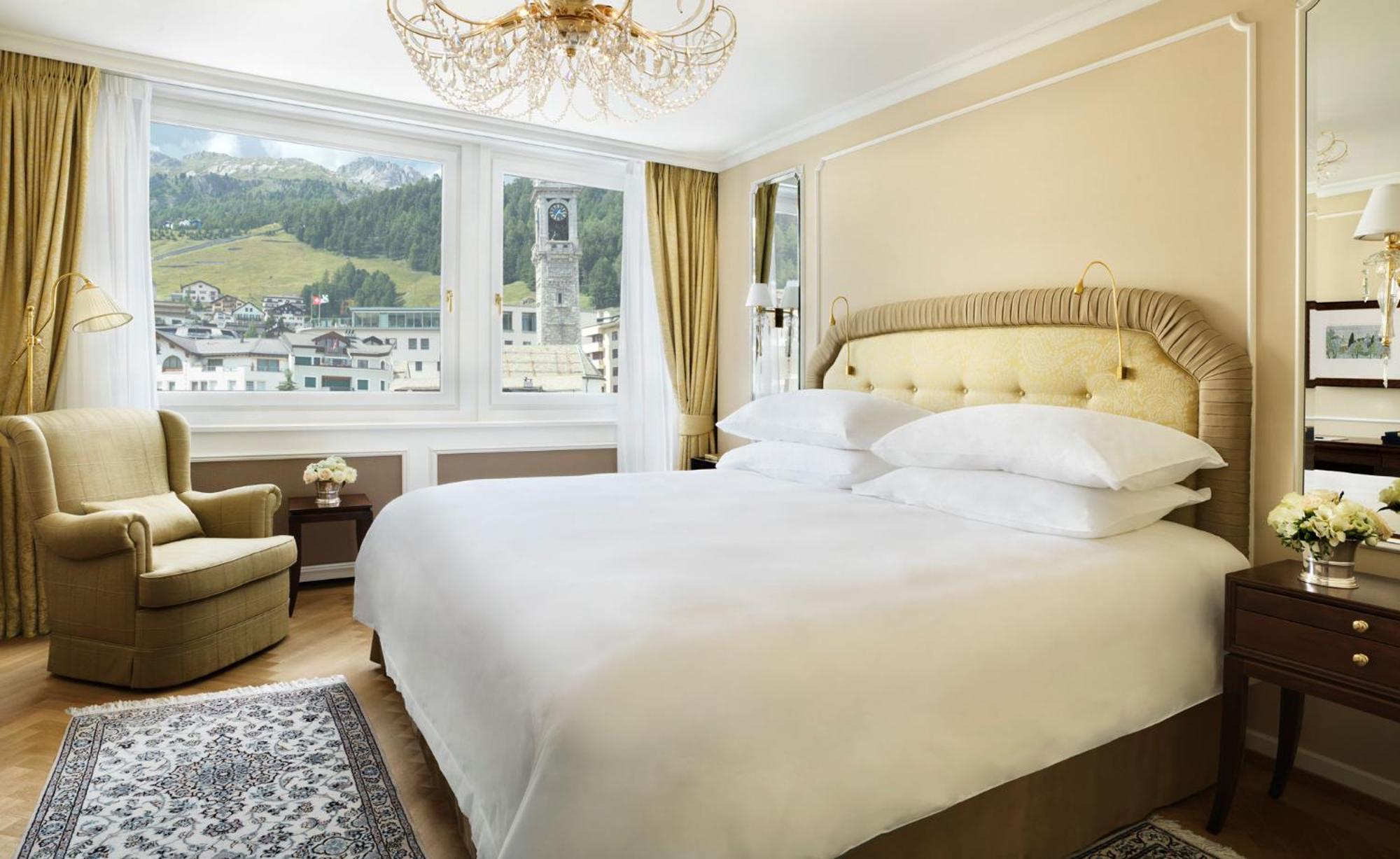
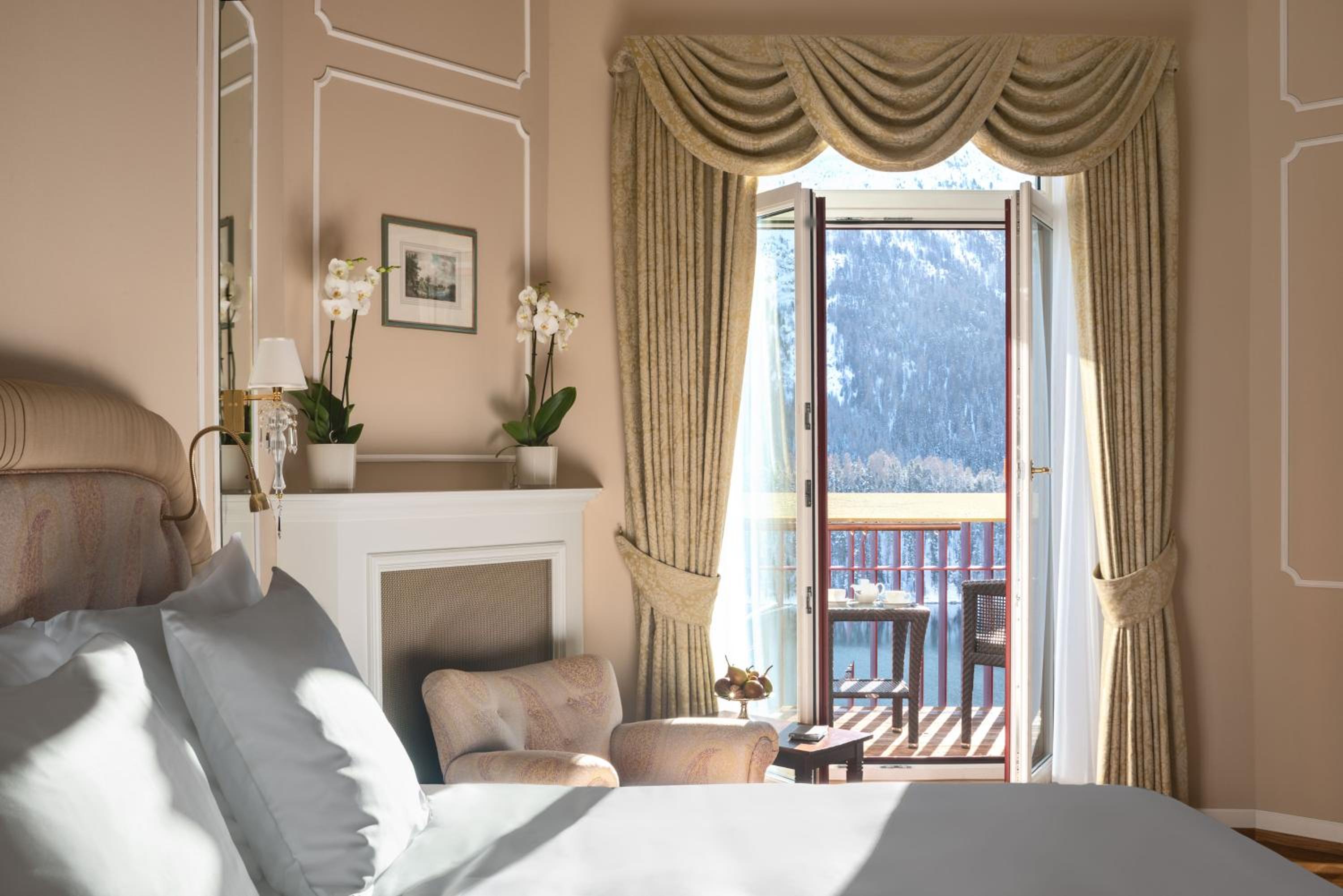
Accommodation at Badrutt's Palace is diverse, reflecting the various renovations the property has undergone over the decades. The choice of room is critical to the overall experience. While mountain-view rooms offer a look at the charming village architecture and the steep slopes behind the town, the lake-view rooms are the ones worth the premium. Waking up to the sun rising over the snow-capped peaks across the water is a quintessential St Moritz moment. The suites located within the historic tower are the most coveted, offering unique layouts and a tangible sense of the building's storied past.
Decor varies significantly between floors. Some rooms retain a heavy, traditional Alpine aesthetic with dark woods, thick carpets, and ornate fabrics that feel appropriate for a winter getaway. Others have been updated with a contemporary lightness, featuring softer palettes and streamlined furniture that may appeal more to those visiting during the summer months. Regardless of the style, the attention to detail is consistent, from the weight of the linens to the thoughtfully placed technology that remains largely hidden behind antique-style cabinetry to preserve the old-world atmosphere.
The legendary bars and the farmhouse retreat
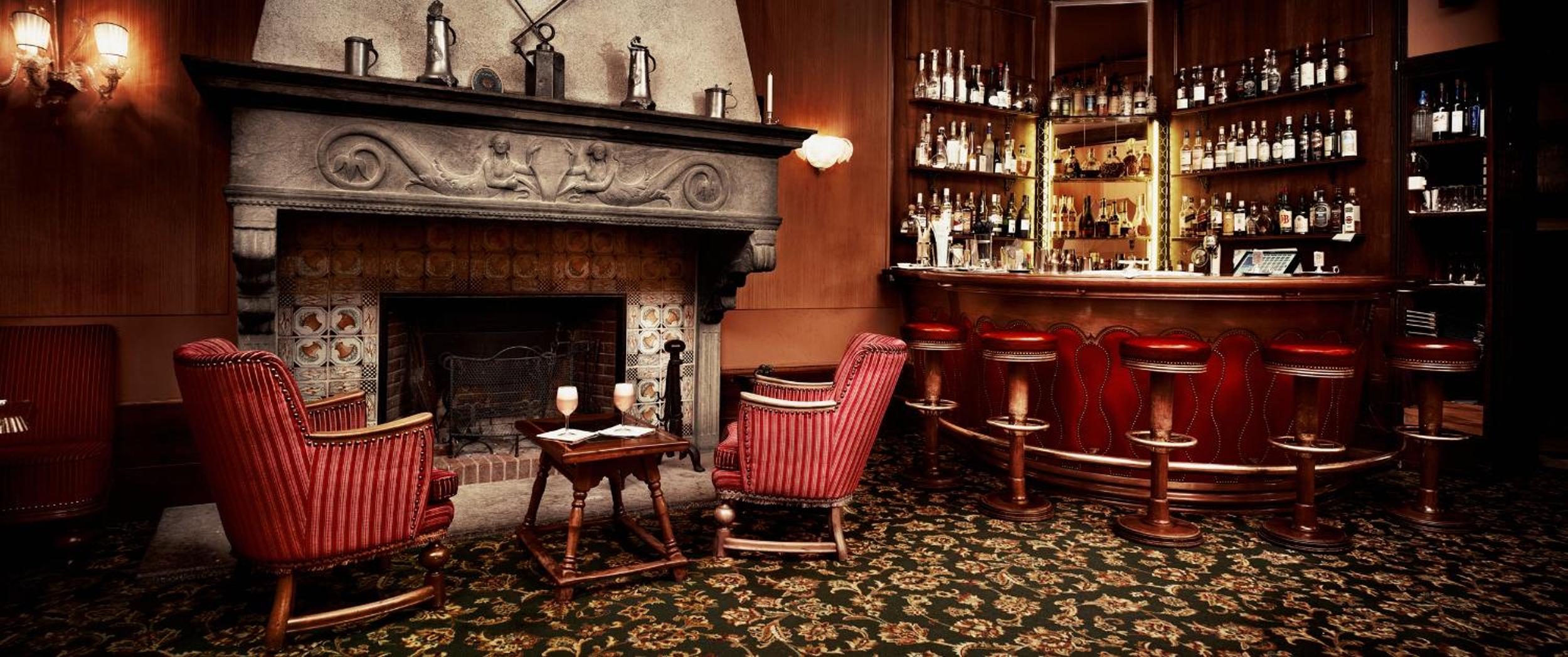
Dining here is an event, rather than just a meal. The hotel boasts several internal venues, but the Renaissance Bar, often referred to as Mario's Bar, is the spiritual heart of the property. It is a dim, wood-panelled sanctuary where the cocktails are precise and the cigars are plentiful. For those looking for a high-energy night, the King's Club remains the oldest nightclub in the Alps, maintaining a reputation for exclusivity and late-night revelry that has persisted through generations of guests.
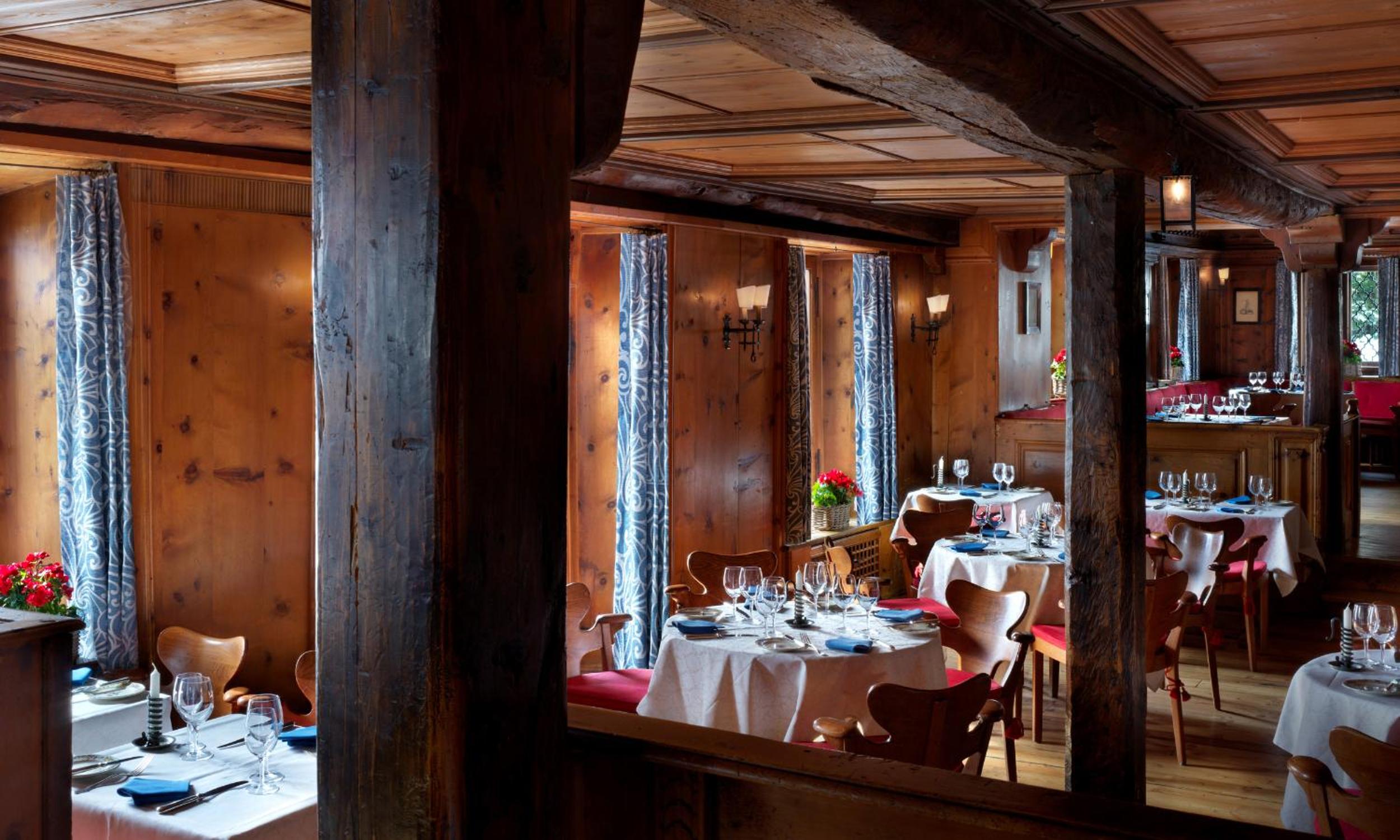
A short walk across the street takes you to Chesa Veglia, a 17th-century farmhouse that the Badrutt family converted into a dining destination. It is a necessary pilgrimage for any guest, housing three different restaurants under one ancient roof. The Pizzeria Heuboden is particularly famous, serving what many consider to be the best pizza in Switzerland in a rustic, hay-loft setting. It provides a grounded, informal contrast to the grander dining rooms within the main hotel building, and most visitors find themselves returning at least twice during a four-night stay.
Wellbeing and the dramatic indoor pool
The Palace Wellness spa is immense, even by the standards of modern luxury hotels. It is accessed through a dramatic underground tunnel carved into the rock, leading guests into a sprawling complex of treatment rooms, saunas, and steam baths. The facility is designed to handle the post-ski rush without ever feeling crowded, offering a range of therapies that focus on recovery and high-altitude skincare. The staff here operate with a quiet professionalism, ensuring that the transition from the cold outdoors to the warmth of the spa is seamless.
The centerpiece, however, is the indoor swimming pool. Enclosed by floor-to-ceiling glass, it offers swimmers a panoramic view of the mountains while they remain in heated comfort. There is a specific theatricality to the space, especially when the outdoor pool is steaming in the sub-zero air just beyond the glass. For those who prefer to stay active, the fitness centre is well-equipped, and the hotel's ski concierge takes all the friction out of the sport, ensuring boots are warmed and equipment is ready at the door the moment you decide to head for the mountains.
Service with a distinctively Swiss precision
Service at Badrutt's Palace is a polished performance that has been refined over more than a century. The staff-to-guest ratio is exceptionally high, which manifests in small touches like the effortless handling of luggage and the intuitive timing of the housekeeping teams. There is a formal edge to the interactions, particularly in the public areas during the evening, which fits the grand surroundings. However, the service never feels stiff; there is a genuine warmth and a pride in the hotel's heritage that comes through in conversations with the long-serving concierges.
This level of service extends to families and couples alike. While the hotel can feel like a playground for adults in the evening, it is surprisingly welcoming to children, with dedicated programmes and a staff that treats younger guests with the same level of respect as their parents. For couples, the service is discreet and facilitating, whether it involves arranging a private horse-drawn carriage around the lake or securing a last-minute table at a fully booked mountain hut. It is this ability to make the impossible happen that defines the Badrutt's experience.
Suitability for different types of travellers
For couples, the hotel offers a sense of romance that is hard to replicate elsewhere. The combination of the dramatic scenery, the historic architecture, and the secluded corners of the Renaissance Bar makes it a premier choice for an anniversary or a special winter escape. The formal dress code in the evenings adds a sense of occasion that many modern hotels have abandoned, making a stay here feel like a step back into a more glamorous era of travel. It is a place that rewards those who enjoy the ritual of dressing for dinner and partaking in the local social scene.
Families are also well-catered for, though the environment is decidedly upscale. The spaciousness of the suites and the variety of dining options, including the informal Pizzeria at Chesa Veglia, make it manageable for those travelling with children. However, the hotel is best suited for those who appreciate the performative nature of St Moritz. If you prefer a quiet, anonymous retreat where you can wear a tracksuit to breakfast, this is not the property for you. The Palace demands a certain level of engagement with its history and its social standing.
Value considerations and the seasonal shift
The financial reality of Badrutt's Palace is heavily dictated by the calendar. During the peak of February, rates reach their zenith, reflecting the immense demand for the 'see and be seen' culture of the winter season. At this time, you are paying not just for a room, but for a front-row seat to the most exclusive social event in the Alps. The hotel is often fully booked months in advance, and the town is at its most performative. For many, this is the only time to visit, but it comes at a significant premium that challenges the traditional definition of value.
Conversely, the summer season from July to September offers a completely different perspective. The Engadin valley transforms into a premier hiking and sailing destination, and the hotel's rates fall by half or even more. During these months, the spa is often empty, the service is even more attentive, and the lake-view rooms become one of the best-value luxury stays in Switzerland. It is worth noting that the hotel closes for parts of the spring and autumn, so timing is essential. For those who want the grandeur of the Palace without the frantic energy of the ski season, a summer booking is the most strategic choice.
Cheapest in the summer season from July to September, when the Engadin is a hiking destination and rates fall by half or more.