Chablé Maroma review: barefoot luxury in the Riviera Maya jungle
Punta Maroma, Mexico — reviewed over five nights in a Jungle Villa
FlexStays Editorial · 11 February 2025 · 8 min read · Our score 9.3/10
Private-pool villas in dense jungle, a Mayan-inspired spa built around a cenote and one of the best beaches on the Riviera Maya. Adults only.
What we liked
- Every villa has a private plunge pool and total privacy
- Maroma beach is genuinely one of the best in the Caribbean
- Adults-only, small scale, no crowds
Worth knowing
- Very expensive, and dining on site is the only realistic option
- Sargassum seaweed can affect the beach from April to August
- 45 minutes from Cancún airport, longer in traffic
Between the mangroves and the Caribbean
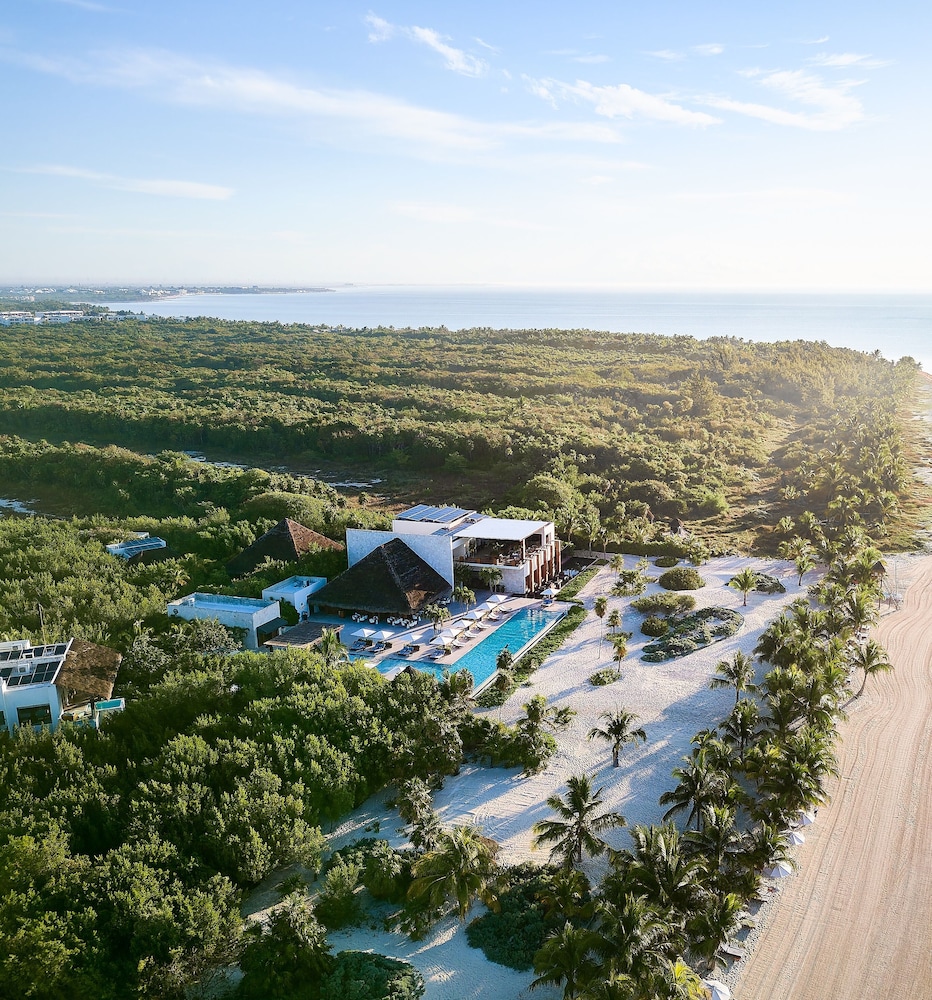
Chablé Maroma occupies a fortunate sliver of the Riviera Maya, positioned within the dense coastal thicket of Punta Maroma. Unlike the high-rise corridors of Cancún or the increasingly crowded strips of Playa del Carmen, this property feels anchored in the natural landscape. The design prioritises the preservation of the endemic flora, meaning the resort is essentially a series of low-slung structures connected by winding sand paths that snake through mangroves and tropical hardwoods. It is one of the few stretches along this coastline that still manages to feel genuinely wild, providing a sense of isolation that is rare in a region dominated by sprawling, multi-story all-inclusive complexes.
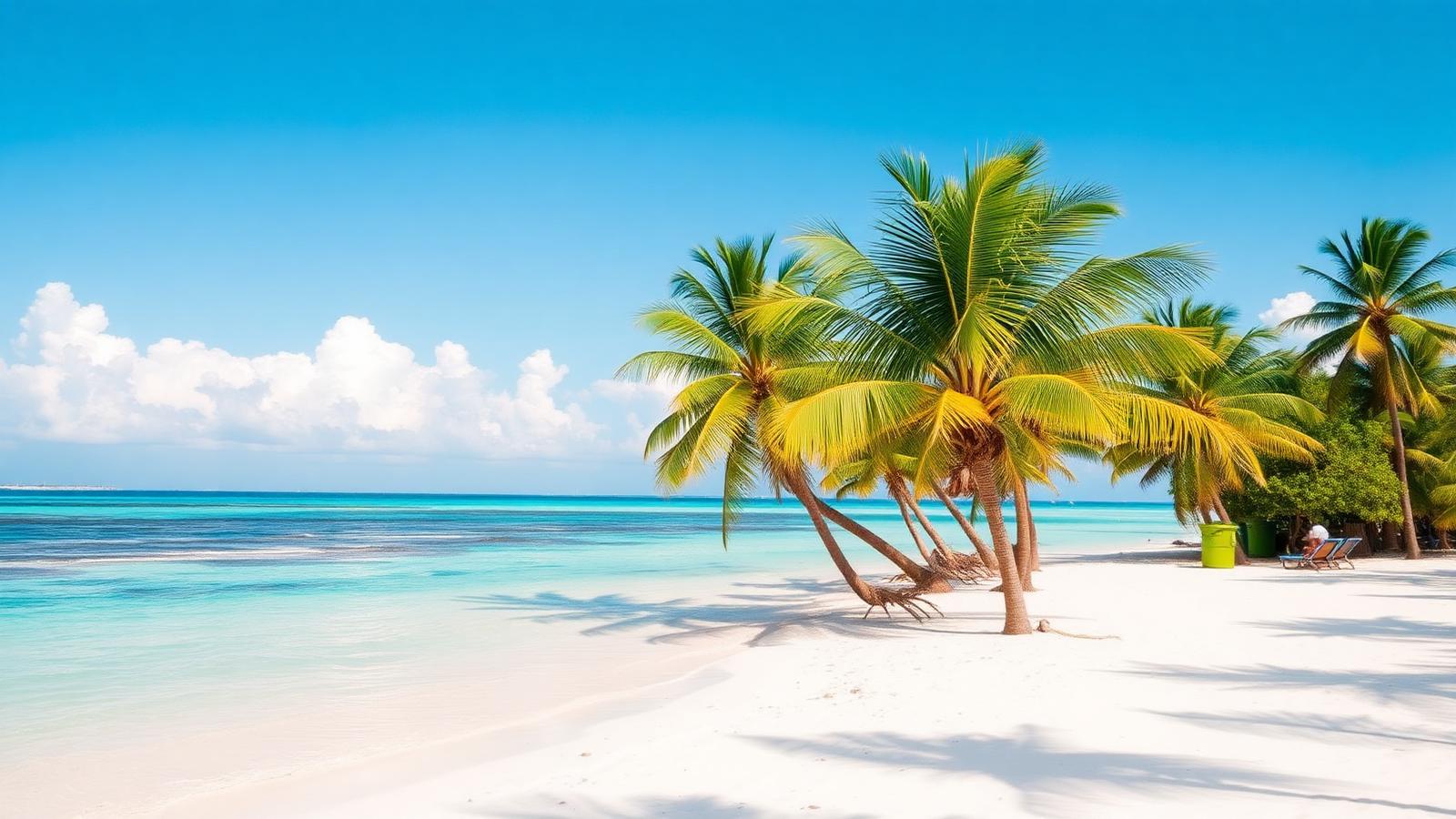
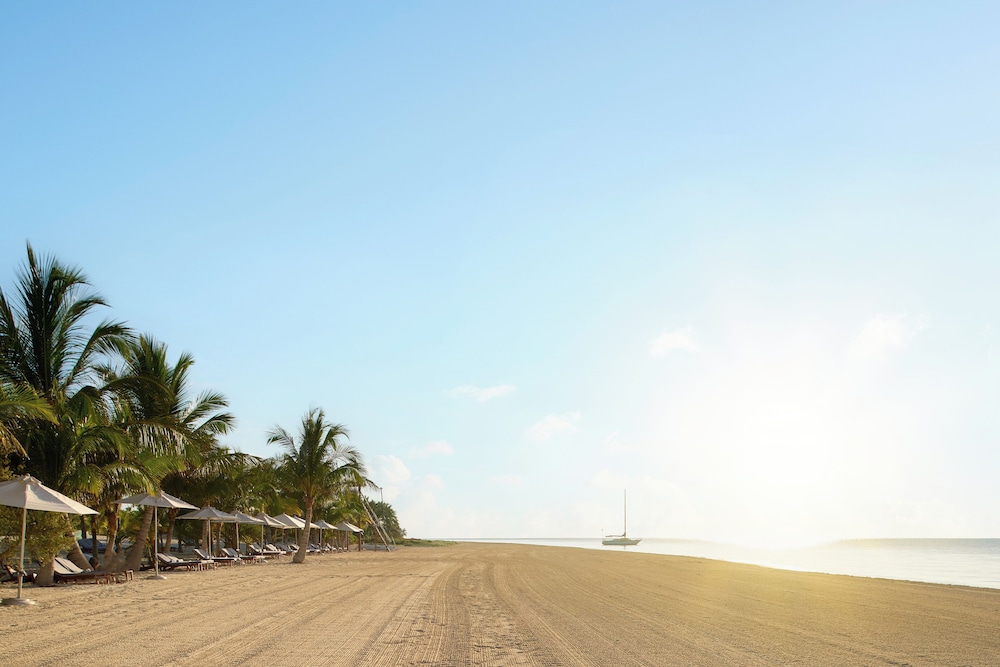
The beach is the primary draw and arguably the finest in the Mexican Caribbean. The sand is exceptionally white and fine, leading to a shallow, turquoise shelf that remains calm due to the proximity of the Mesoamerican Barrier Reef. Because the resort is small and strictly adults-only, the atmosphere on the shoreline is one of quiet contemplation rather than the loud music and commercial activity found elsewhere. It is a setting that demands slow movement, where the transition from the shade of the jungle to the glare of the white sand marks the rhythm of the day.
Sanctuaries in the jungle canopy
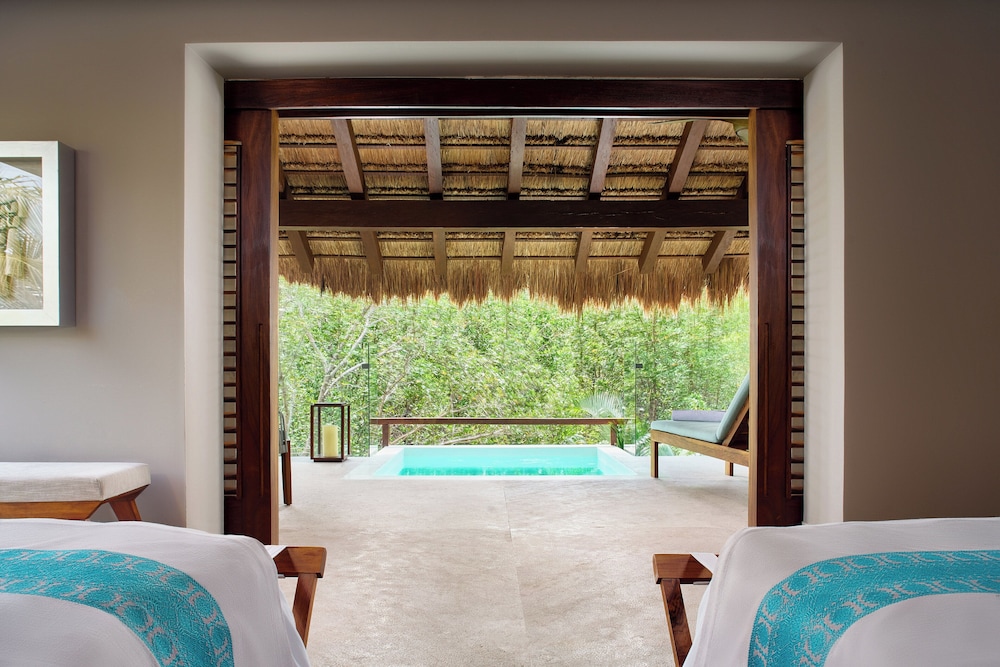
Accommodation here is exclusively composed of villas, each functioning as a self-contained sanctuary. We stayed in a Jungle Villa, the entry-level category, though to call it such feels like a disservice. These units are tucked deep into the greenery, offering total privacy from the paths and neighbouring villas. While the beachfront categories command a significant premium for their proximity to the water, the Jungle Villas provide a more authentic sense of being immersed in the local ecosystem. The layout is generous, focusing on a seamless flow between the interior and the extensive outdoor living spaces.
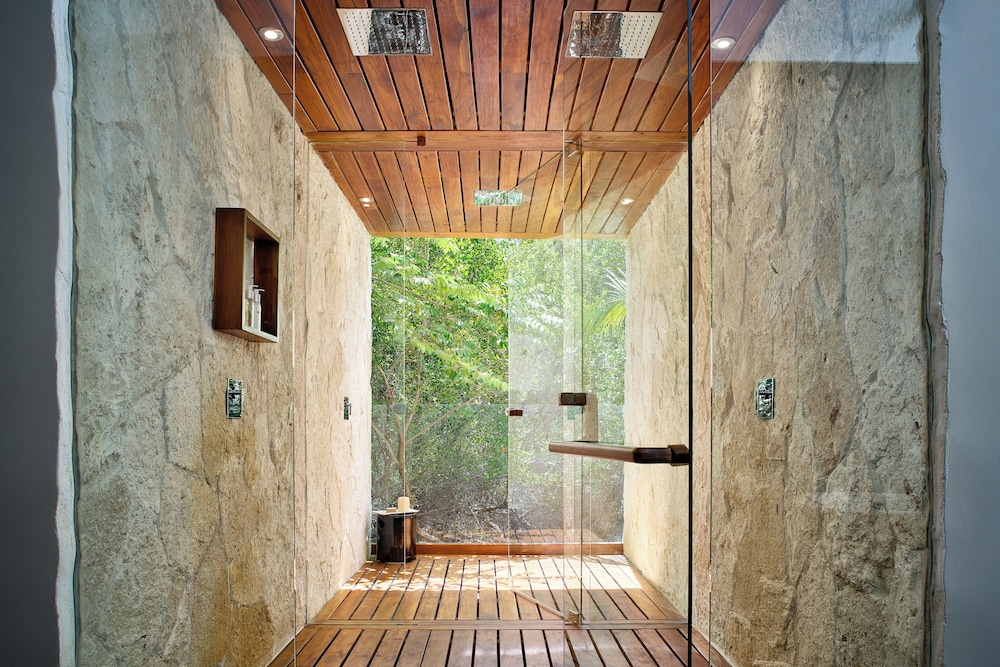
Inside, the aesthetic is a masterclass in Mexican craft executed with restraint. You will find local hardwoods, handmade ceramics, and cool linens that provide a tactile connection to the region without resorting to clichés. The bathrooms are vast, featuring indoor and outdoor showers that allow for a degree of openness that feels liberating. Crucially, the air conditioning is robust and silent, a necessity for those visiting during the humid peak of August. It is an environment designed for rest, where the outside world feels remarkably distant despite being only forty-five minutes from the international airport.
Private pools and outdoor living
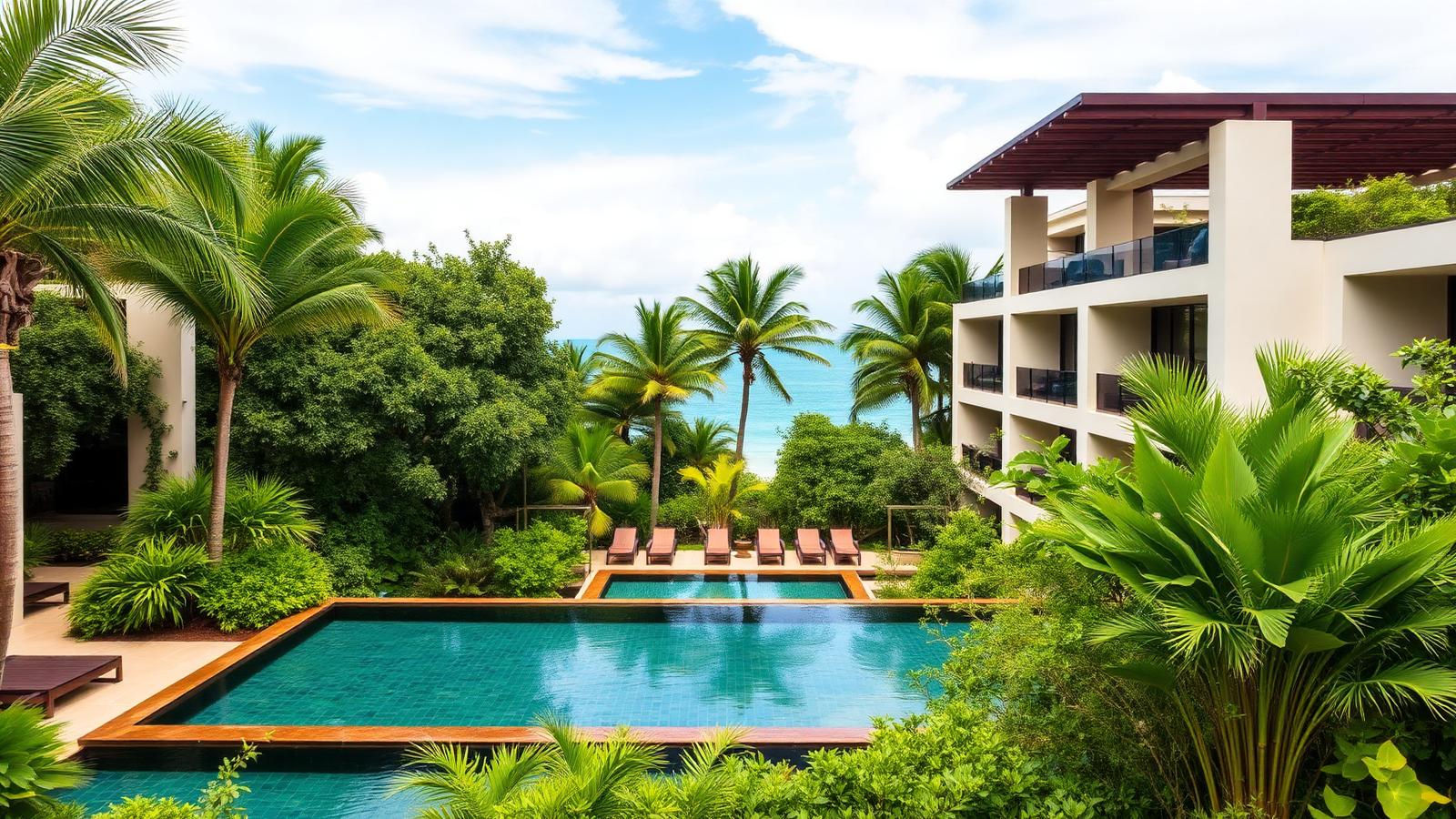
Every villa at Chablé Maroma features its own private plunge pool, which is more than just a decorative feature. These pools are large enough for a genuine cool-down and are situated on a shaded terrace that includes comfortable daybeds and dining furniture. The privacy is so well-engineered through the use of clever landscaping that you can spend an entire afternoon outdoors without seeing or hearing another guest. This focus on individual space is what sets the property apart from its larger competitors, where the shared pool area is often the only place to lounge.
The terraces act as an extension of the bedroom, offering a place to enjoy the traditional morning coffee service that is delivered to a wooden box outside your door each day. This ritual allows you to wake up slowly, watching the jungle birds and iguanas before even thinking about heading to the main pavilion. The transition between the air-conditioned interior and the tropical exterior is handled with architectural grace, ensuring that you always feel connected to the environment while remaining shielded from the elements when needed.
Mayan soul and the cenote spa
The spa is widely considered the soul of the property and for good reason. It is built around a cenote, a natural limestone sinkhole that holds deep spiritual significance in Mayan culture. The architecture here is circular and organic, echoing the flow of water and the history of the land. Treatments are heavily influenced by local traditions, incorporating herbal compresses and rituals that feel grounded rather than gimmicky. For those seeking a deeper connection to the setting, the traditional temazcal ceremony is a guided sweat-lodge experience that is worth trying once, even for those who are typically sceptical of wellness trends.
Beyond the spa, the main pool area provides a more social alternative to the private villa pools. It is a stunning infinity-edge construction that appears to spill directly into the Caribbean Sea. Service at the pool is attentive but never intrusive, with staff providing chilled water and occasional refreshments without being asked. Because the resort has a low room count, there is never a struggle for a sun lounger or a quiet corner. The focus remains on the quiet luxury of space and the gentle sound of the waves, maintaining the peaceful adult-only environment.
Culinary depth at Kaban and Bu'ul
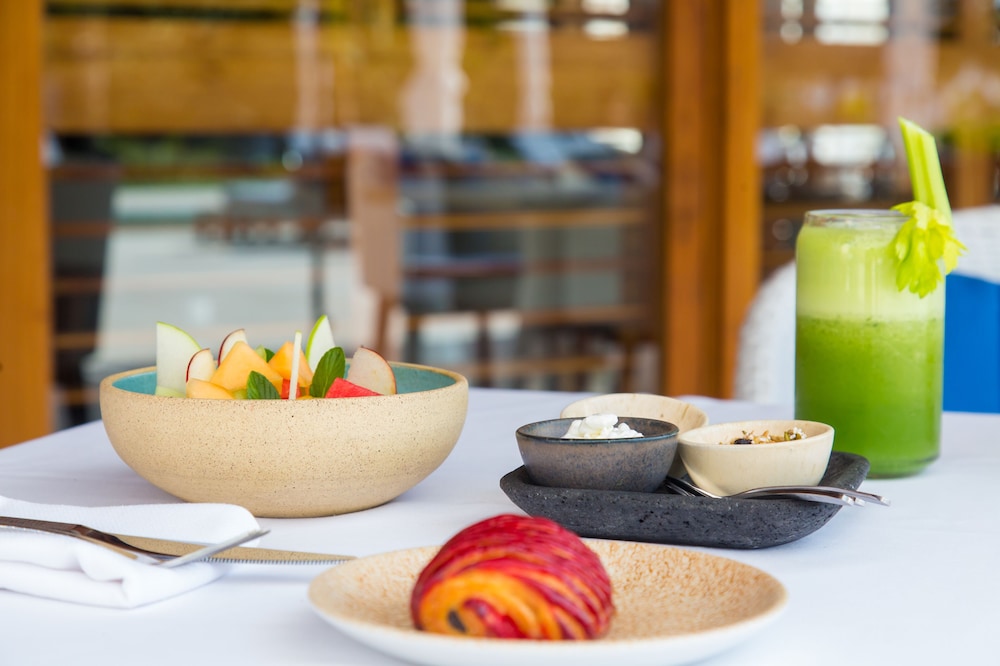
Dining at Chablé Maroma is a sophisticated affair, reflecting the broader movement of modern Mexican gastronomy. The primary restaurant, Kaban, serves as the heart of the resort, offering fresh, locally sourced seafood and traditional dishes with a contemporary twist. Breakfast here is a highlight, featuring everything from perfectly executed huevos rancheros to lighter fruit plates that highlight the tropical bounty of the Yucatán. For a more formal experience, Bu'ul focuses on fine dining that rivals the best restaurants in Mexico City, showcasing complex moles and innovative techniques that justify the high price point.
It is worth noting that because the resort is secluded, you are essentially captive to the on-site dining options. There is nowhere within easy walking distance to find a casual taco stand or a different bar. Consequently, the costs for food and drink are high and can significantly add to the final bill. However, the quality of the ingredients and the skill in the kitchen are evident in every meal. The wine list is equally impressive, featuring a strong selection of Mexican bottles from the Guadalupe Valley that pair exceptionally well with the spicy and acidic profiles of the local cuisine.
Refined service and local knowledge
The service at the resort is characterized by a genuine warmth that avoids the stilted formality of traditional five-star hotels. Most of the staff are from the surrounding region and possess a deep pride in the property and their culture. This manifests in small gestures, such as the effortless way housekeeping times their visits to coincide with your breakfast or the insightful recommendations provided by the concierge. Whether you need help arranging a private excursion to a nearby archaeological site or simply want a specific type of tequila at the bar, the response is always swift and professional.
Because the property is small, the staff quickly learn your preferences, which adds to the feeling of being in a private residence rather than a commercial hotel. This level of personalised attention is a significant part of the value proposition here. However, it is important to remember that this is a place for quiet relaxation. If you are looking for high-energy entertainment or a vibrant social scene, the understated and calm service style might feel too muted. For those seeking a retreat from a busy life, the discreet and efficient care provided by the team is exactly what is required.
Navigating the Riviera Maya
Getting to the resort is relatively straightforward, but it requires some planning. The drive from Cancún International Airport typically takes forty-five minutes, but the regional traffic can be unpredictable, particularly during the peak winter months. It is advisable to book a private transfer through the hotel to ensure a seamless arrival, as local taxis can be hit-or-miss in terms of quality and pricing. Once you arrive at the gates and move through the security perimeter, the noise of the highway is replaced by the sounds of the jungle, marking a clear boundary between the outside world and the resort.
While the seclusion is a major draw, it does mean that exploring the wider area requires a car or a hired driver. The town of Playa del Carmen is about twenty minutes away if you crave a more bustling atmosphere, but most guests find that once they have settled into the rhythm of the resort, there is little desire to leave. The property sits in a protected pocket that feels far removed from the mass tourism of the region, making it an ideal base for those who want to experience the natural beauty of the Caribbean without the crowds found at the larger ports and beaches.
The verdict on value and timing
Chablé Maroma is undeniably one of the best small resorts in Mexico, offering a completely different proposition from the mega-resorts that define the Riviera Maya. It is a perfect fit for couples and honeymooners who prioritise privacy and design over communal facilities and nightlife. However, this level of luxury comes at a significant cost. The nightly rates are high, and the additional expenses for dining and spa treatments mean that a five-night stay requires a substantial budget. To get the most value, timing your visit is essential to avoid the extremes of the Caribbean climate.
The peak season from December to March offers the best weather but also the highest prices, often double what you would pay in the low season. Late November and early December represent the sweet spot, where the hurricane season has passed and the prices have not yet reached their winter ceiling. Conversely, May, June, and September are dramatically cheaper, though these months come with a real chance of heavy afternoon rain and the arrival of sargassum seaweed on the beach. If you can tolerate a bit of humidity and the occasional storm, the value in the shoulder season is excellent for a property of this calibre.
Peak is December to March. May, June and September are dramatically cheaper — with a real chance of sargassum and afternoon rain.