Cheval Blanc Paris review: the best hotel view in the city, at a price
Pont Neuf, Paris — two nights in a Seine-view room
FlexStays Editorial · 19 April 2021 · 9 min read · Our score 9.6/10
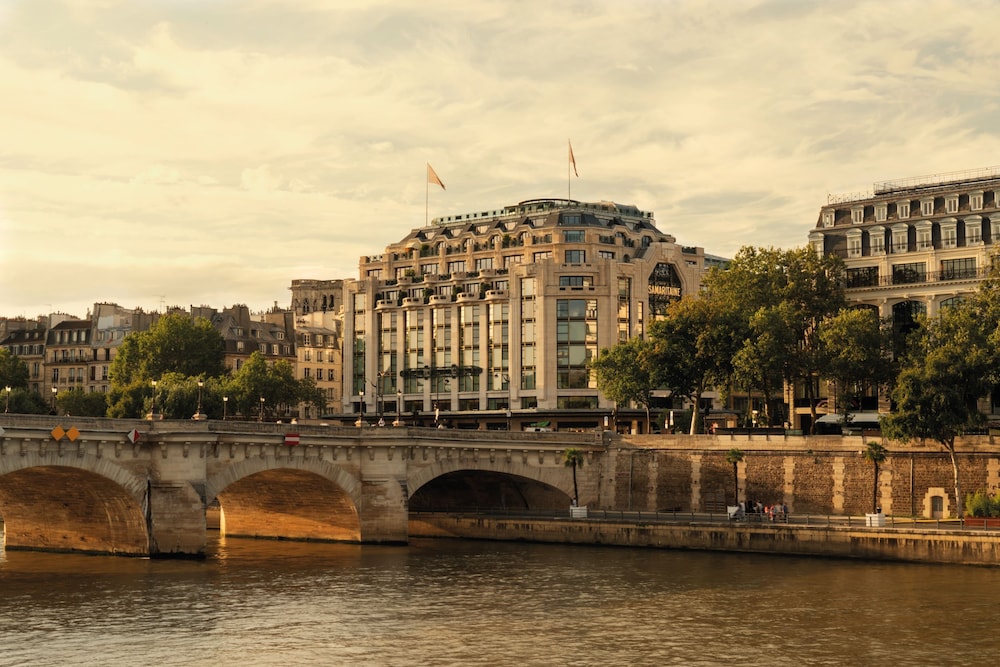
LVMH's Paris flagship sits inside the old Samaritaine building with a rooftop looking straight down the Seine. It is spectacular — and it is priced like it.
What we liked
- Riverside location at Pont Neuf, between the Louvre and Saint-Germain
- Only 72 rooms and suites, so it never feels busy
- Pool and spa are among the best in the city
Worth knowing
- Among the most expensive rooms in Paris, in every season
- Modern interiors will not suit anyone hunting classic Parisian
- Rooftop bar demand is high even for in-house guests
A commanding position on the Seine
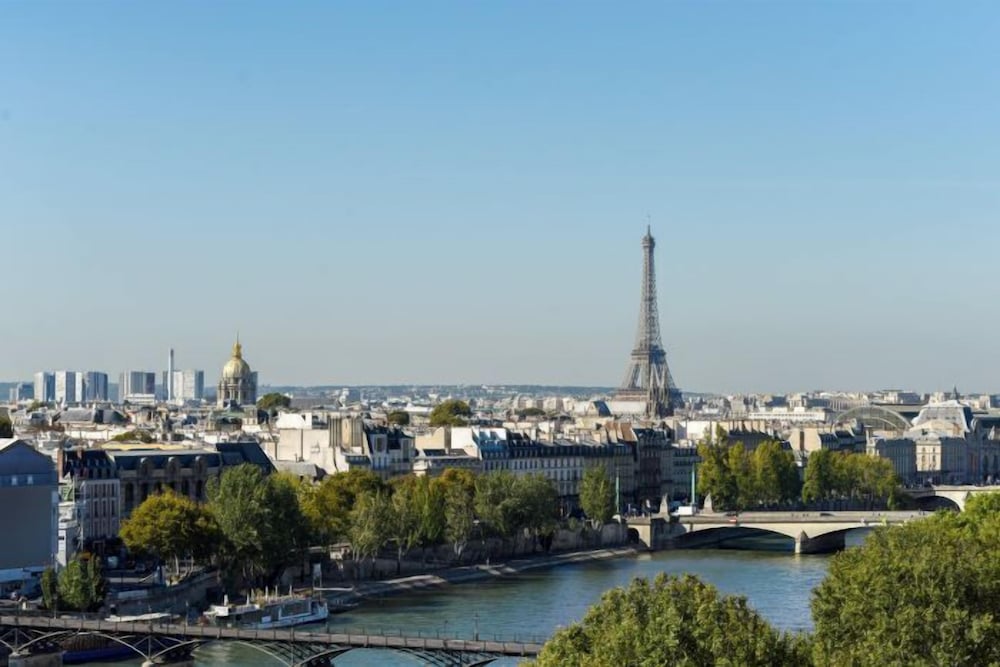
Positioned at the very edge of the Pont Neuf, the oldest standing bridge across the Seine, Cheval Blanc Paris occupies the iconic Samaritaine department store building. This is arguably the most strategic coordinates in the city for those who value efficiency alongside their luxury. Stepping out of the main entrance, a guest is faced with a three-way choice of Parisian landmarks. A five-minute walk to the left leads to the Cour Carrée of the Louvre, while a stroll across the bridge places you directly in the heart of Saint-Germain-des-Prés. Alternatively, walking straight ahead brings you to the Île de la Cité, home to the conciergerie and the rising spires of Notre-Dame.
For a short weekend break, no other five-star address in Paris saves as much time on logistics. The hotel sits as a bridge between the historical weight of the first arrondissement and the artistic heritage of the sixth. The building itself is an Art Deco masterpiece, painstakingly restored by LVMH to serve as their urban flagship. While other hotels in the city might feel like museums, this property feels like a private, contemporary residence that happens to have the best view in the world. The proximity to the river means the light is different here, reflecting off the water and into the lobby in a way that feels bright and airy compared to the darker, more velvet-heavy interiors of the traditional palace hotels.
Interiors for the contemporary collector
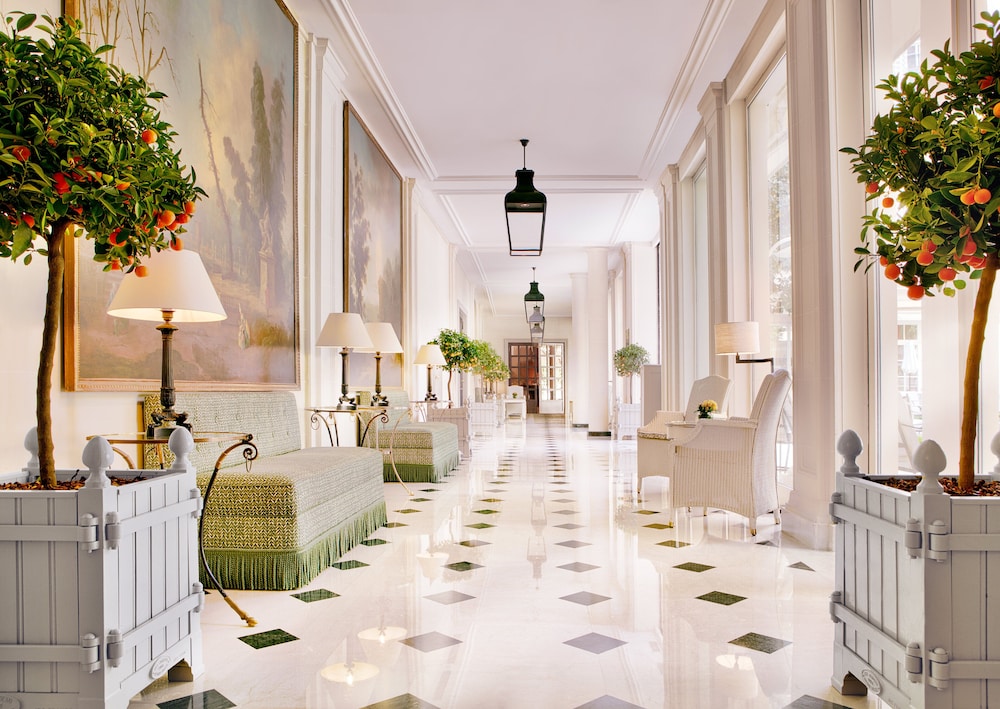
Inside, the aesthetic is a deliberate departure from the gilded moldings and heavy drapery typically associated with Parisian high-end hospitality. The architect Peter Marino has instead opted for a palette of cream, white, and pale stone, accented by a serious collection of modern art and sculptural furniture. It is a space that feels curated rather than decorated, using textures like parchment, leather, and textured plaster to create warmth without relying on nineteenth-century tropes. This modernism will not suit everyone, particularly those who travel to Paris specifically for the Louis XV furniture and heavy chandeliers of the Right Bank, but it feels distinctly more relevant to the current decade.
The scale of the common areas is generous, yet the hotel remains remarkably quiet. With only 72 rooms and suites, the property avoids the frantic, crowded feeling that often plagues the larger legendary hotels near the Champs-Élysées. Even the lobby, which serves as a transition point between the bustling street outside and the sanctuary of the guest floors, maintains an air of calm. It is a space designed for those who want to feel as though they are staying in a private apartment, albeit one with a massive staff and a world-class art collection on the walls.
Accommodations with an outlook
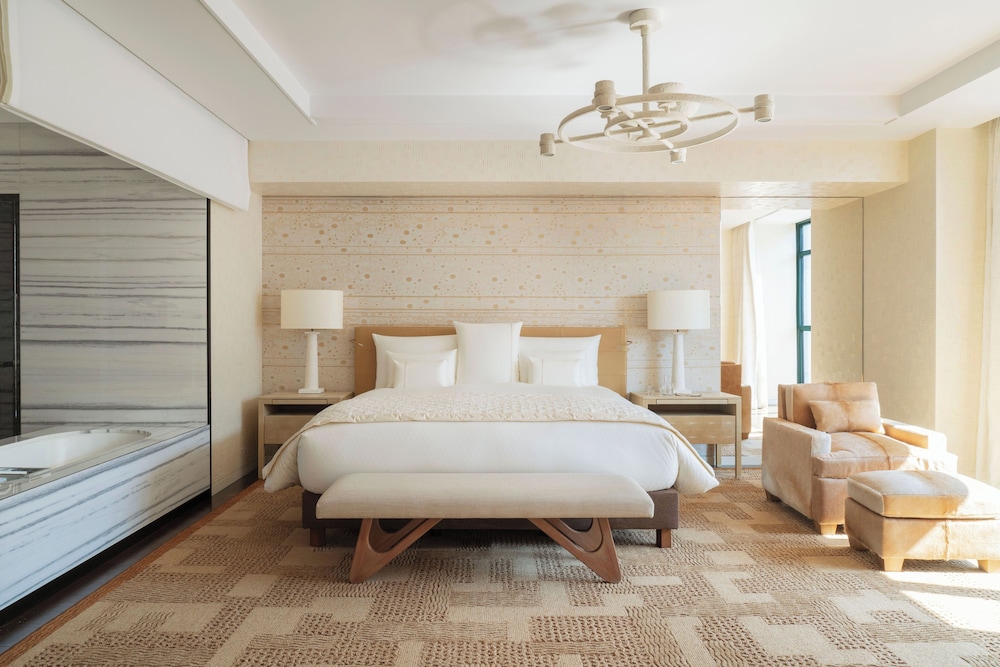
Rooms here are exceptionally large by Paris standards, where one usually expects to pay a premium just to be able to open a suitcase on the floor. Nearly all of the guest rooms feature significant views, whether they look out over the zinc rooftops of the city or directly down onto the river. The Seine-facing rooms are the primary reason to book this property. Floor-to-ceiling windows act as living frames for the boat traffic and the stone arches of the bridge below. The design continues the neutral, sophisticated theme of the public spaces, with automated systems that allow for precise control of light and temperature, ensuring the room feels like a retreat from the city noise.
The bathrooms are particularly enormous, often finished in white marble with separate showers, deep soaking tubs, and vanity areas that feel like dressing rooms. Every detail, from the bespoke Dior toiletries to the thickness of the bathrobes, suggests a refusal to compromise on materials. There is a sense of acoustic isolation here that is rare in older buildings; despite being located near a major thoroughfare and a popular bridge, the rooms are pin-drop quiet once the heavy windows are closed. For couples, the suites offer a level of privacy and comfort that makes it difficult to leave the room, even with the Louvre waiting just around the corner.
Culinary ambition at Plénitude and Le Tout-Paris
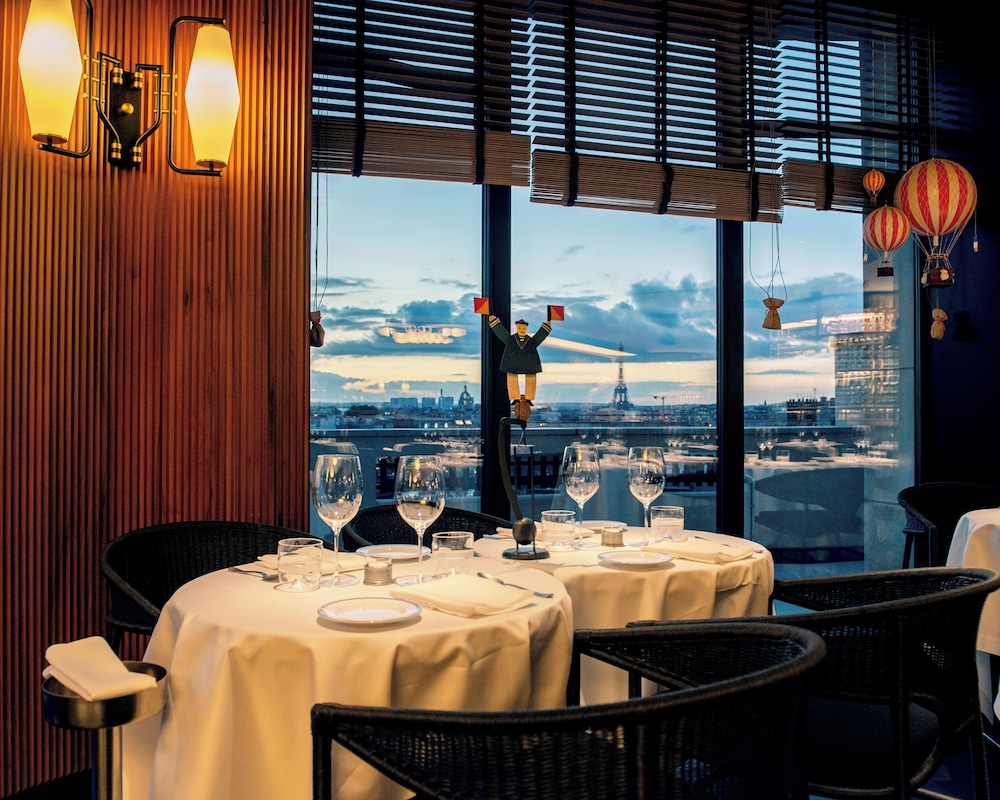
Dining is a cornerstone of the experience here, and the options cater to two very different moods. At the top of the gastronomic ladder is Plénitude, where the focus is on a serious, dedicated dining commitment. The kitchen focuses heavily on sauces, treating them as the primary element of the dish rather than an accompaniment. It is a quiet, focused room that demands several hours of your evening. For something more social, Le Tout-Paris is the rooftop brasserie that has become one of the most sought-after tables in the city. The terrace here looks straight down the Seine toward the Eiffel Tower, providing a backdrop that feels cinematic.
Breakfast in Le Tout-Paris is the specific memory that most guests take home with them. Watching the sun rise over the river with a coffee and a basket of exceptional pastries is a quintessentially Parisian experience. However, the popularity of these venues means that even in-house guests must plan ahead. The demand for the rooftop bar, especially during the summer months, is incredibly high. While the hotel does its best to prioritise those staying on-site, the buzz of the local crowd and international visitors means the terrace is rarely empty. It is a vibrant, energetic space that contrasts with the more meditative atmosphere of the Dior spa downstairs.
A spa and pool of unmatched scale
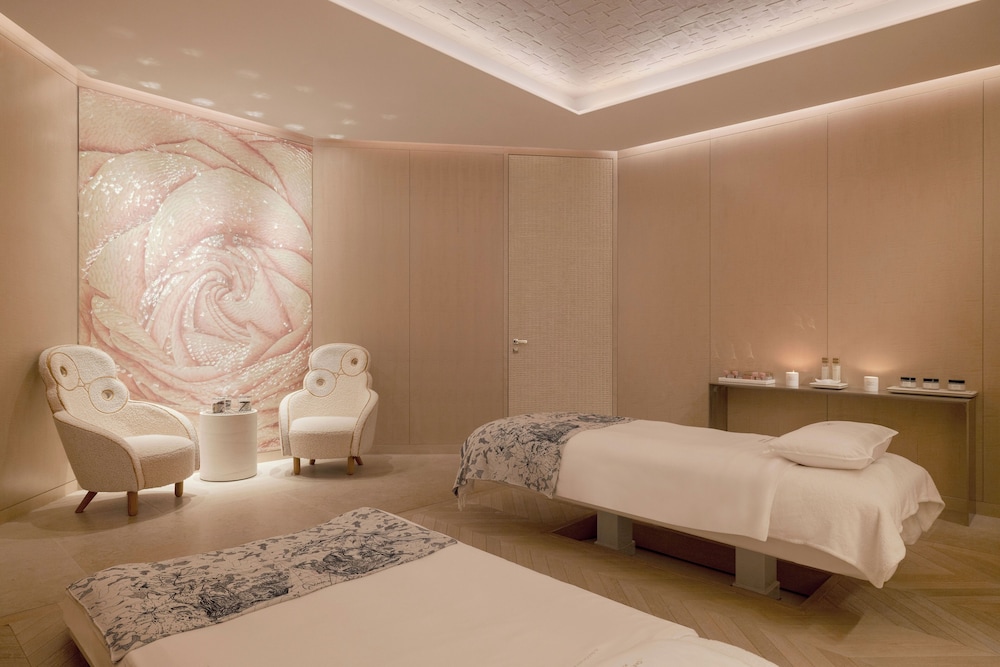
The Dior Spa and the 30-metre swimming pool are not merely decorative additions; they are among the best facilities in the city. In a town where hotel pools are often small, dark, and tucked into basement corners, this one stands out for its sheer size and design. The pool area features digital screens that mimic the movement of the Seine outside, creating an immersive, tranquil environment that feels worlds away from the traffic of the Pont Neuf. It is long enough for genuine exercise, which is a rarity in the first arrondissement, and the surrounding lounging areas are designed for actual relaxation rather than just quick transitions.
The spa treatments are handled with the precision one would expect from a partnership with Dior. There are six themed treatment rooms and a comprehensive menu of services that range from quick facials to half-day wellness journeys. The staff in the wellness centre are observant without being intrusive, ensuring that towels, water, and amenities are always at hand. For those who find Paris exhausting, the spa serves as a vital decompression chamber. It is perhaps the most convincing reason to choose this hotel over a smaller boutique property that might lack these extensive leisure facilities.
Service that anticipates the guest
Service at Cheval Blanc is choreographed to feel effortless, though it is clearly the result of rigorous training. From the moment the doormen greet you at the curb to the concierge team who seem capable of securing the impossible, the hospitality is proactive. Because the room count is low, the staff quickly learn your preferences, whether it is a specific type of water at the bedside or a preferred time for turndown service. It is a level of attention that justifies the price point, providing a seamless experience that reduces the inherent friction of international travel.
There is a distinct lack of the stuffiness that can sometimes plague the older grande dames of the city. The staff are younger, more energetic, and dressed in uniforms that reflect the contemporary spirit of the hotel. This does not mean that the service is casual; it remains highly professional and attentive to detail. Whether you need a private car to the airport or a specific table at a bistro in the Marais, the team handles requests with a quiet efficiency that ensures you never have to ask twice. For families, this translates to a welcoming atmosphere where children are treated with genuine hospitality rather than as an afterthought.
The practicalities of a stay
Reaching the hotel is relatively straightforward, though the central location means traffic can be heavy during peak hours. If arriving from Charles de Gaulle airport, a private transfer is recommended, as the entrance is discreet and located within a busy pedestrian and commercial district. For those arriving by Eurostar at Gare du Nord, the drive is approximately twenty minutes depending on the time of day. Once you have arrived, the need for a car essentially disappears. The central location makes it one of the most walkable bases in the city, with the majority of major museums and shopping districts within a twenty-minute radius.
Families will find the hotel surprisingly accommodating despite its high-fashion veneer. There are dedicated spaces for children, and the large room sizes mean that extra beds or connecting rooms do not feel cramped. However, the primary demographic remains couples and business travellers who require a combination of prestige and proximity to the city's financial and cultural hubs. The hotel works best for those who want to be in the thick of the action during the day but return to a quiet, hyper-modern sanctuary in the evening. It is an urban resort in the truest sense of the word.
The verdict and when to book
Cheval Blanc Paris is undeniably one of the most expensive hotels in the city, and the pricing remains high regardless of the season. Whether it is worth the investment depends entirely on your priorities. If your trip is short and you want the most impactful view of the Seine possible, there is no better choice. However, if you are planning a longer stay of five nights or more and would rather allocate your budget toward five-course dinners and private museum tours, a more traditional grande dame in the 8th arrondissement will cost significantly less and will certainly not disappoint. You are paying here for the location, the modern design, and the exclusivity of the LVMH brand.
To get the best value, timing is essential. The calendar swings significantly; visiting in January or the second half of August can be materially cheaper than booking during the peak months of September or December. During fashion weeks or the festive season, prices can escalate dramatically. This is a hotel where you should pick your dates first and your room category second, as the difference between a low-season Tuesday and a prime-season Friday can run into hundreds of euros per night. If the budget allows, aim for a Seine-view room on a higher floor to fully realise the potential of this extraordinary riverside location.
Even here the calendar swings: January and the second half of August are materially cheaper than September or December.