Copacabana Palace review: Rio's landmark, and the pool is still the point
Copacabana, Rio de Janeiro — three nights in a sea-view room
FlexStays Editorial · 30 August 2022 · 8 min read · Our score 9.2/10
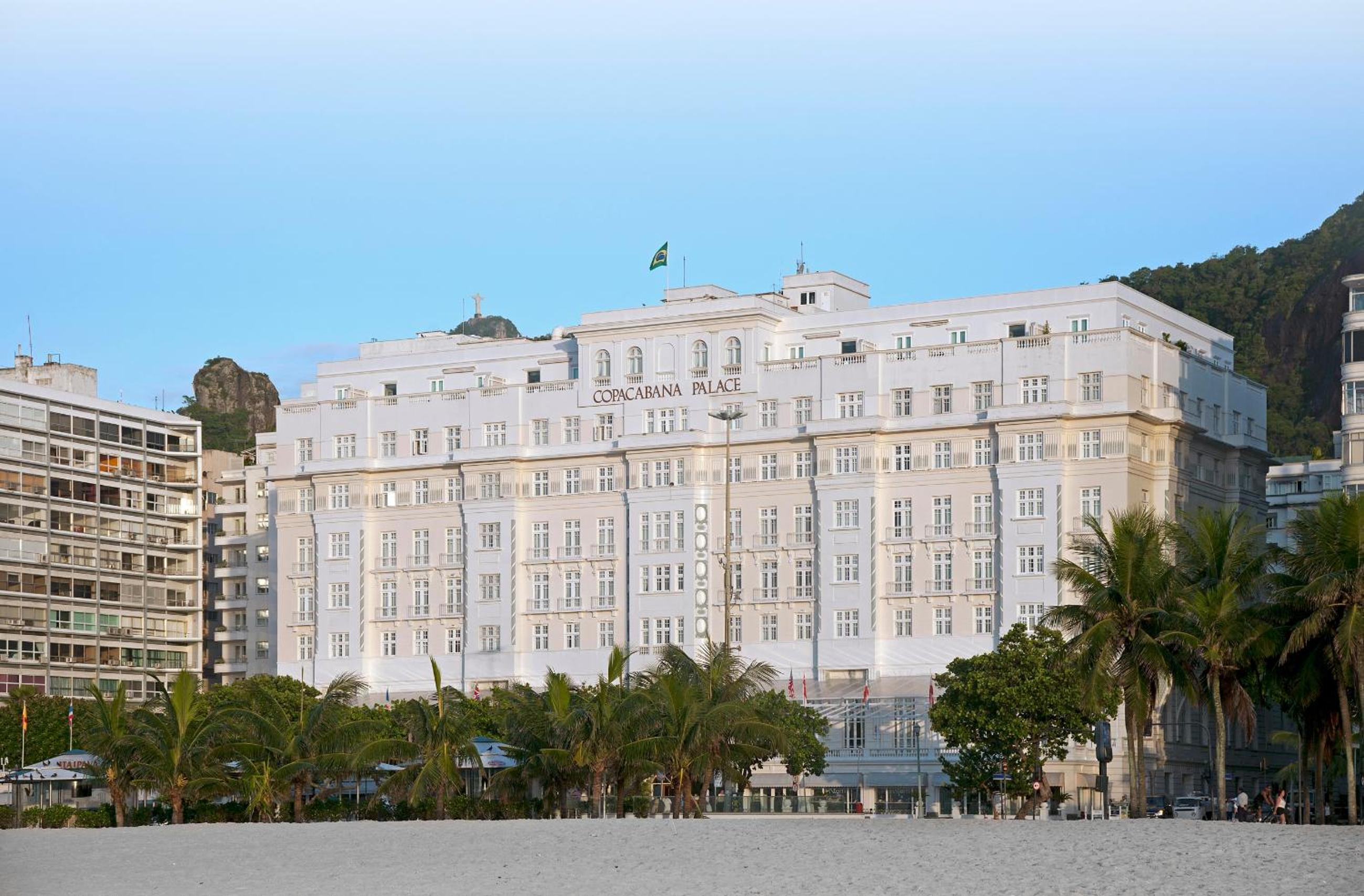
Belmond's white Art Deco block has faced Copacabana beach since 1923. The rooms have been quietly modernised; the pool terrace has not needed to change.
What we liked
- Directly opposite Copacabana beach with a large pool terrace
- Genuine landmark status and a well-kept Art Deco interior
- Strong security operation, which matters in Rio
Worth knowing
- City-view rooms face a busy avenue
- Copacabana itself is scruffier than the hotel
- New Year and Carnival require long minimum stays at high rates
The grand dame of Avenida Atlântica
The Copacabana Palace, A Belmond Hotel, is not merely a place to sleep; it is the physical manifestation of Rio de Janeiro’s high-society history. Opened in 1923, this white Art Deco block stands as a defiant monument to old-world elegance against a backdrop of modern skyscrapers and the rugged peaks of the surrounding mountains. To walk through the rotating doors is to step into a space that has hosted royalty, rock stars, and the global elite for a century. The architecture retains its classical proportions, with high ceilings, polished marble floors, and wide corridors that allow for a sense of scale rarely found in contemporary builds. It remains the undisputed social centre of the city, serving as the primary venue for the grandest balls and cultural events in the Brazilian calendar.
While many historic hotels risk feeling like stagnant museums, the Palace maintains a vibrant, living energy. The layout is designed around the flow of social interaction, with the grand lobby leading seamlessly toward the terrace and the famous pool. There is a specific gravitas to the building that commands respect, yet it avoids being cold or inaccessible. The staff manage the building’s heritage with a light touch, ensuring that the atmosphere remains celebratory rather than stuffy. It is a landmark that feels integrated into the city’s identity, even as its gleaming white facade provides a stark contrast to the grit and bustle of the surrounding urban landscape. For those arriving in Rio for the first time, this is the definitive starting point for understanding the city's complex glamour.
Life around the legendary pool terrace
The pool is the beating heart of the operation and arguably the most famous body of water in South America. Surrounded by a wide terrace and lined with crisp white loungers, it functions as a private sanctuary where the city’s heat is tempered by sea breezes and attentive service. From mid-morning onwards, the area becomes a choreographed display of leisure. It is where guests congregate to see and be seen, though the atmosphere remains relaxed enough for a quiet afternoon with a book. The pool itself is large enough for genuine swimming, a rarity for city hotels in Rio, and is framed by the classic architecture of the main building and the annex, providing a sense of total seclusion from the frantic pace of the street outside.
On days when the intensity of Copacabana beach feels like too much effort, the pool terrace serves as an ideal alternative. You get the sun, the view of the palms, and the sound of the Atlantic without the unsolicited vendors or the crowds of the public sands. The poolside bar is exceptionally well-run, serving chilled coconut water and expertly mixed caipirinhas directly to your sunbed. It is a microcosm of the hotel’s broader appeal: a space that feels exclusive and sheltered, yet remains intrinsically linked to the outdoor lifestyle that defines Rio. The transition from a morning swim to a long, shaded lunch at the poolside restaurant is perhaps the most quintessentially 'Palace' experience one can have during a stay here.
Coastal vistas and classical room design
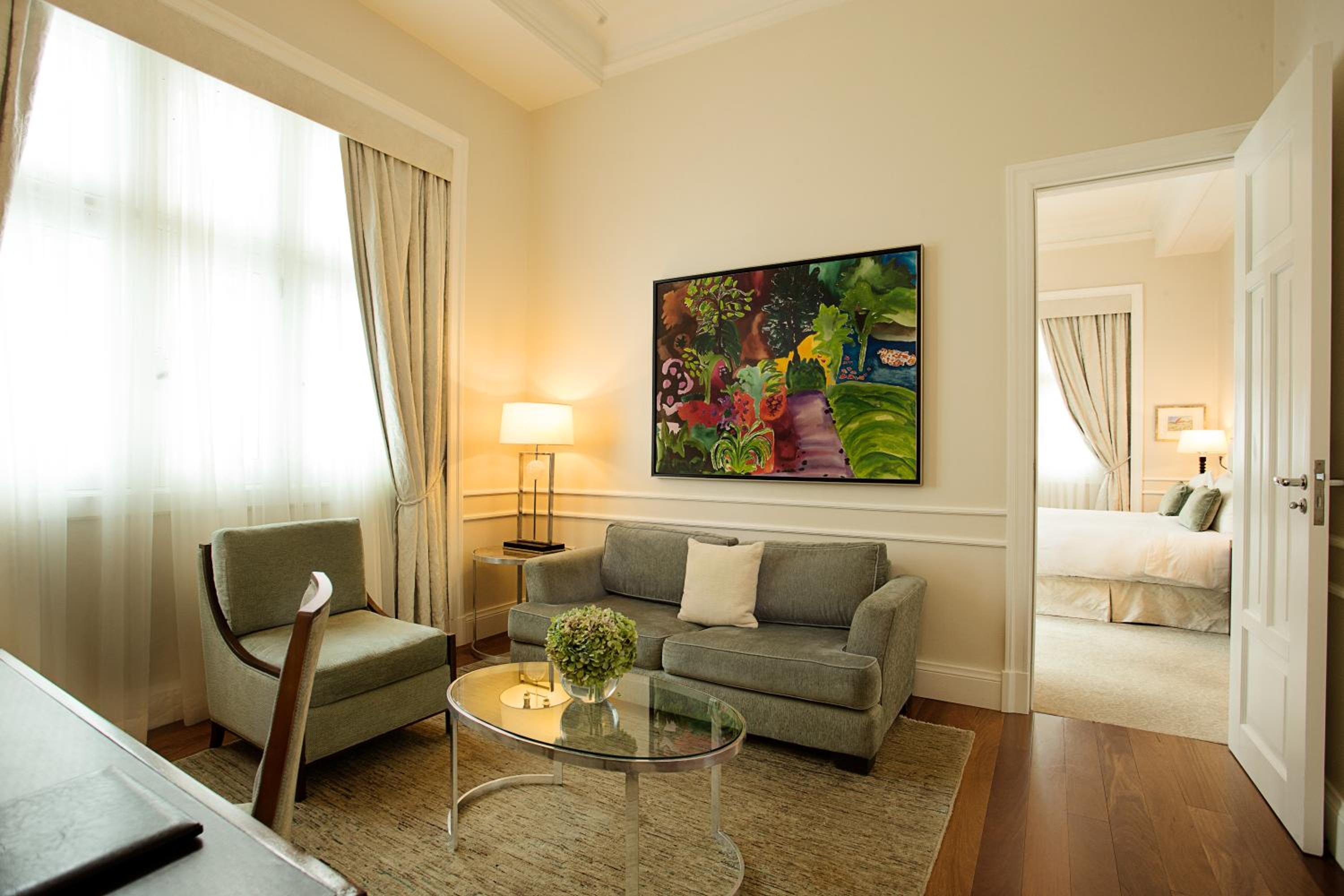
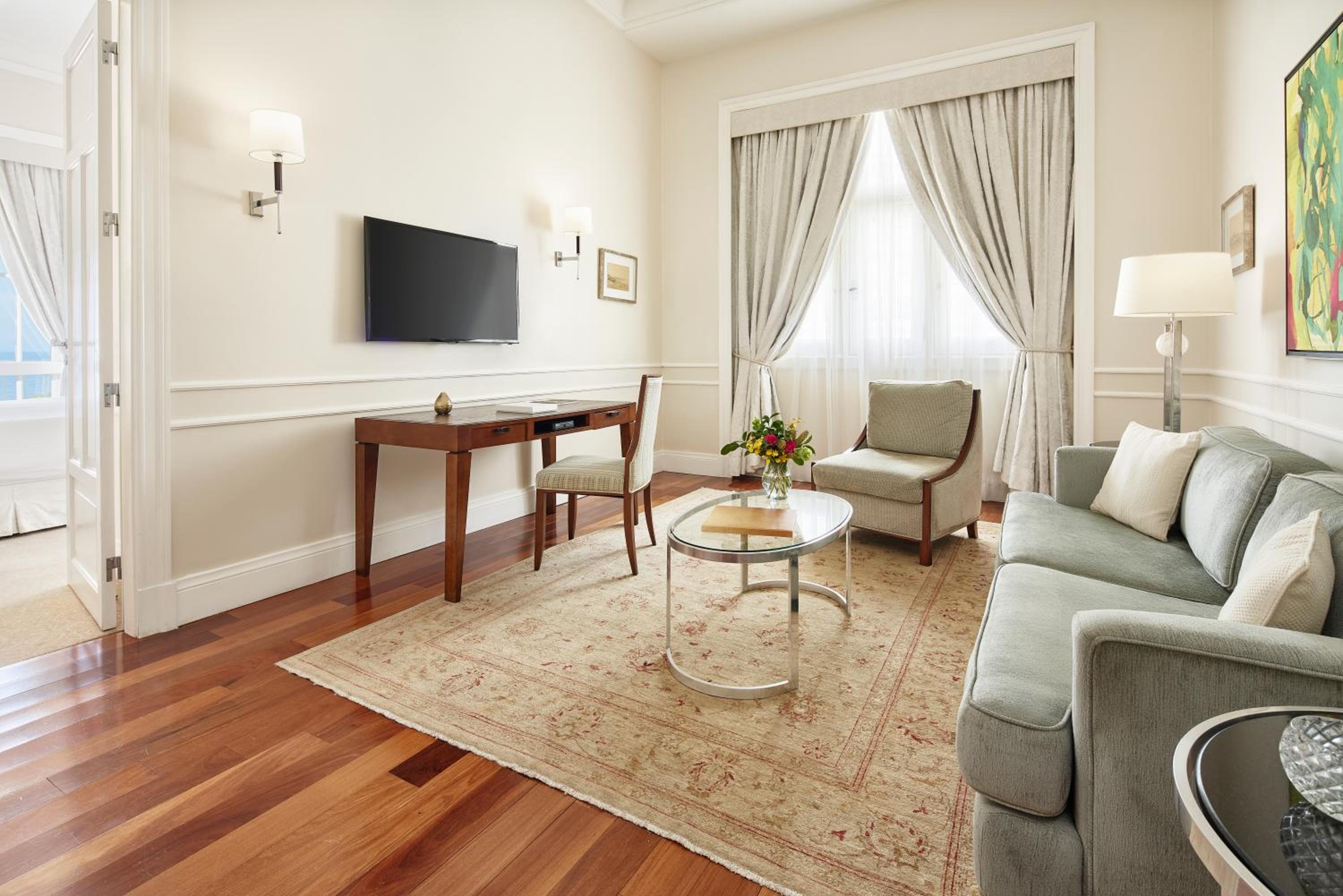
Accommodation is split between the original main building and the later annex, but the sea-view rooms in the historic block are the ones to book without hesitation. These rooms feature small, elegant balconies that look directly over the Avenida Atlântica and the sweeping curve of the beach. Standing on one of these balconies at dawn, watching the waves roll in while the city begins to stir, provides a perspective on Rio that interior-facing rooms simply cannot match. The decor is classic and comfortable rather than aggressively fashionable; expect light woods, fine fabrics, and period-appropriate furniture that respects the building’s Art Deco heritage. It is a quiet, understated luxury that prioritises comfort over technological gimmicks.
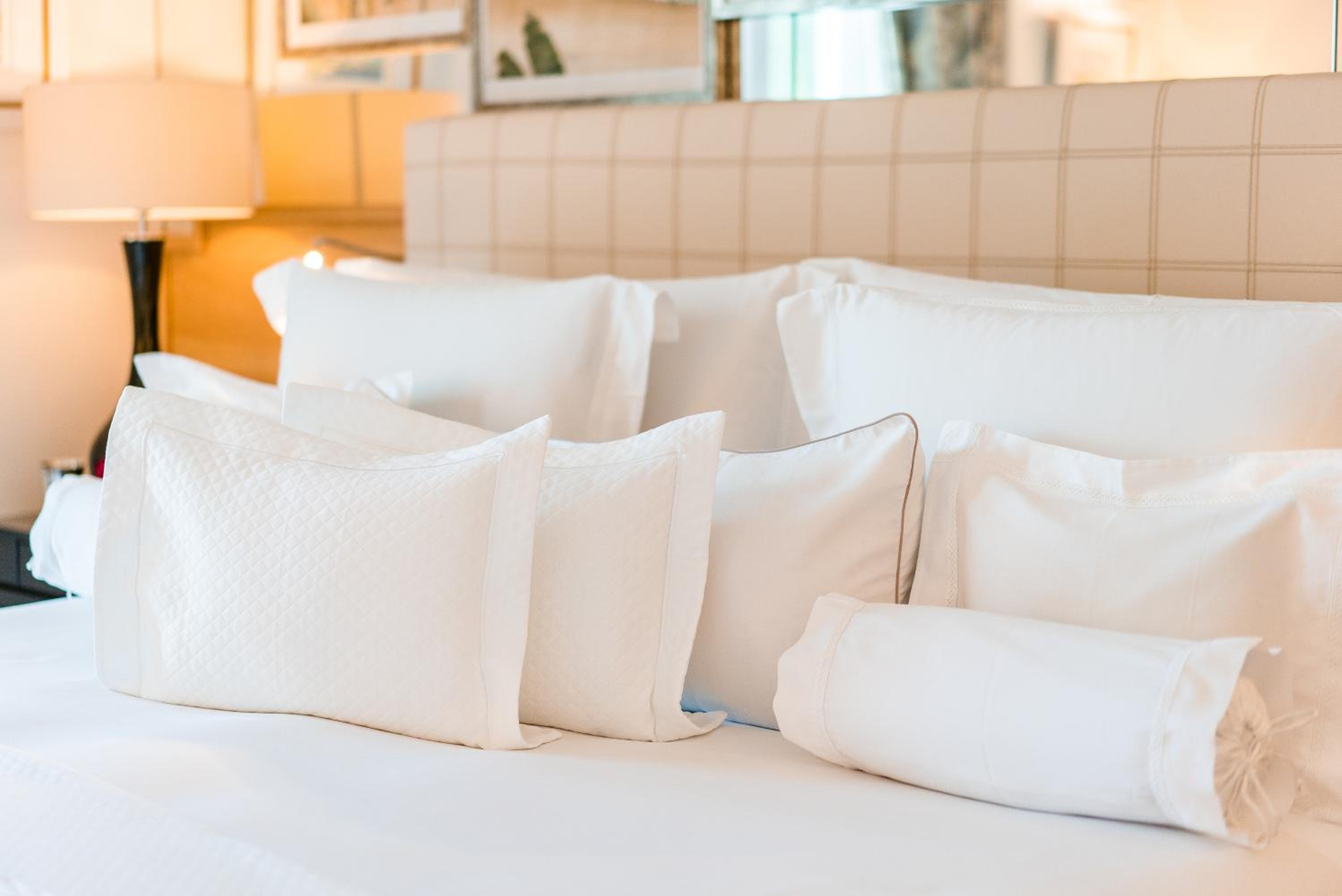
The modernisation of the rooms has been handled with commendable restraint. While the bathrooms are contemporary and the air conditioning is efficient, the rooms retain high ceilings and a sense of architectural space that feels historic. The linens are of an exceptional quality, and the soundproofing is surprisingly effective given the proximity to one of the busiest roads in Brazil. However, it is worth noting that the city-view rooms face a busy avenue and the urban density behind the hotel. While these rooms are finished to the same high standard, they lack the transportive quality of the ocean-facing suites. For the full experience, the additional investment for a sea view is not just recommended; it is essential to the stay.
Fine dining and the ritual of breakfast
Gastronomy at the Palace is headlined by Cipriani, which remains one of the city's most prestigious destinations for high-end Italian cuisine. The dining room is formal but the service is warm, offering a sophisticated counterpoint to the more casual options elsewhere. For a more relaxed meal, the pool restaurant provides a bright setting for lunch, specialising in fresh seafood and Brazilian classics that feel appropriate for the climate. The quality of the ingredients is consistently high, and the kitchens show a genuine understanding of both international standards and local flavours. It is entirely possible to eat very well within the hotel for several days without feeling the need to navigate the surrounding neighbourhood's restaurants.
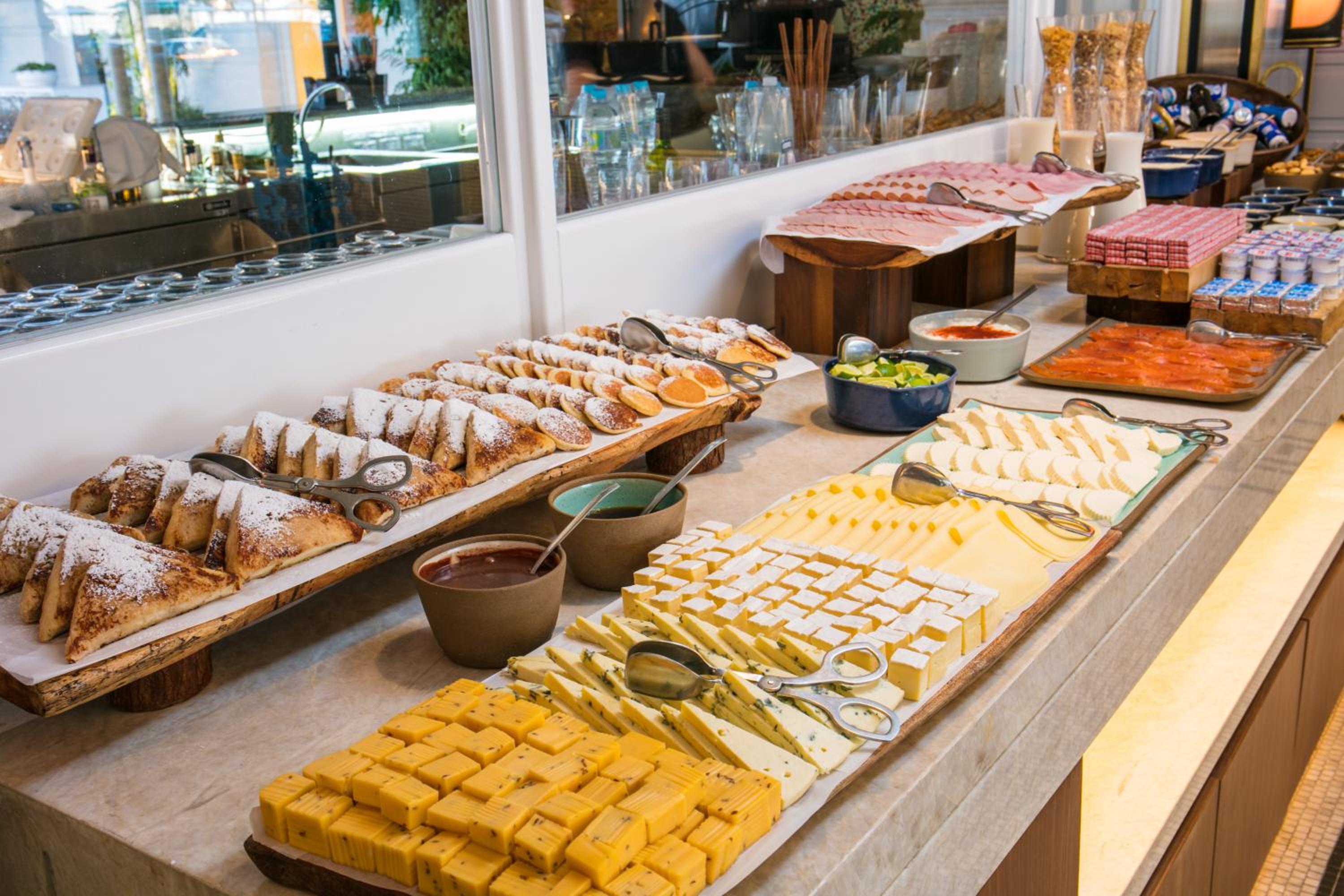
The breakfast service deserves a specific mention for its breadth and quality. It runs late, catering to those who have enjoyed Rio’s nightlife, and is served in a space that feels bright and energising. The spread includes an impressive array of tropical fruits, freshly baked breads, and traditional Brazilian breakfast items, alongside made-to-order eggs and excellent coffee. The service during breakfast is particularly switched on; staff are quick to learn your preferences and manage the morning rush with a calm efficiency. Dining here, overlooking the pool as the sun climbs higher over the ocean, is one of the daily highlights that justifies the hotel's reputation as a world-class resort.
Navigating the Copacabana neighbourhood
The hotel’s location is a study in contrasts. Directly opposite is the iconic Copacabana beach, with its famous wave-patterned calçadão and kilometres of golden sand. It is a vibrant, democratic space that represents the soul of the city. However, it is important to acknowledge that Copacabana itself is somewhat scruffier than the pristine interior of the hotel. The streets immediately behind the property are dense and busy, reflecting the reality of a major metropolis. While the neighbourhood has plenty of character and history, it lacks the polished, upscale feel of neighbouring Ipanema or Leblon. Guests should be prepared for the sensory overload of a working city once they step outside the hotel gates.
Despite the bustle, the location offers unparalleled access to the beach lifestyle. The hotel maintains a dedicated area on the sand for guests, providing loungers and umbrellas, which adds a layer of comfort to the public beach experience. Security is a major priority for the hotel, and there is a very strong, visible security operation in place both at the entrances and around the perimeter. This matters in Rio, and the presence of the security team allows guests to feel entirely at ease as they move between the hotel and the beach. For those who want to be in the centre of the action rather than tucked away in a quiet suburb, there is no better position in the city.
Service culture and guest wellness
Service at the Copacabana Palace is characterised by a genuine warmth that feels distinctly Brazilian, underpinned by the rigorous standards of the Belmond brand. The staff-to-guest ratio is high, and the level of attentiveness is consistent throughout the property. Whether it is the concierge team, who possess a deep knowledge of the city's best-kept secrets, or the housekeeping staff who maintain the rooms with meticulous care, there is a sense of pride in the work being done. For families, the service is accommodating and welcoming, while couples will find the staff respectful of their privacy. It is a large operation that manages to feel personal, a difficult balance to strike in a landmark hotel of this size.
Beyond the pool, the hotel offers a comprehensive spa and wellness centre that serves as a quiet retreat from the sun. The treatments are expertly delivered, using high-quality products in a serene, modern environment. There is also a well-equipped fitness centre and even a tennis court, which is a rare luxury in such a densely built-up part of the city. These facilities ensure that the hotel functions as a complete resort, providing plenty of variety for those staying for an extended period. The spa, in particular, is an excellent refuge on the rare occasions when the Rio weather turns grey, offering a level of pampering that matches the grandeur of the surroundings.
When to visit and the value proposition
Deciding when to book the Copacabana Palace depends entirely on your tolerance for crowds and your budget. The peak periods are undoubtedly New Year’s Eve and Carnival, when the hotel is the epicentre of global celebrations. During these times, the hotel requires long minimum stays and the rates reach their absolute extremes. While the atmosphere is electric and the hotel’s vantage point for the beach fireworks is unparalleled, it is an expensive and busy time to visit. For those seeking the best value, the Rio winter—running from May to September—is the smartest play. The weather remains pleasantly warm and sunny, but the hotel is far quieter and the beach is significantly less crowded.
During the winter months, rates can be half of what they are during the peak summer season, making the luxury of the Palace much more accessible. It is the same historic building, the same excellent service, and the same legendary pool, but with a more relaxed pace and a more reasonable price tag. In terms of value, the hotel is a premium experience that delivers on its promises, provided you opt for a sea-view room. While the entry-level city rooms are comfortable, the true value of the stay lies in the connection to the ocean and the historic atmosphere of the main building. For anyone looking for a definitive, landmark stay in one of the world’s most beautiful cities, the Palace remains the essential choice.
Cheapest from May to September in the Rio winter — still warm, far quieter. Carnival and New Year are the extremes.