Fairmont Banff Springs review: the castle in the Rockies, warts and all
Banff, Alberta — three nights in a Fairmont Deluxe Room
FlexStays Editorial · 30 January 2025 · 7 min read · Our score 8.8/10
A vast 1888 railway hotel with a mountain spa, a good golf course and 700 rooms. Magnificent from the outside; know what you are booking inside.
What we liked
- One of the great hotel buildings in North America, in a national park
- Excellent spa with outdoor pools, plus ski shuttles in winter
- Huge range of room types, so there is usually something available
Worth knowing
- Entry-level rooms are small and dated relative to the rate
- Scale means queues at check-in and at breakfast
- Parking and resort fees add up
A Scottish baronial fortress in the Bow Valley
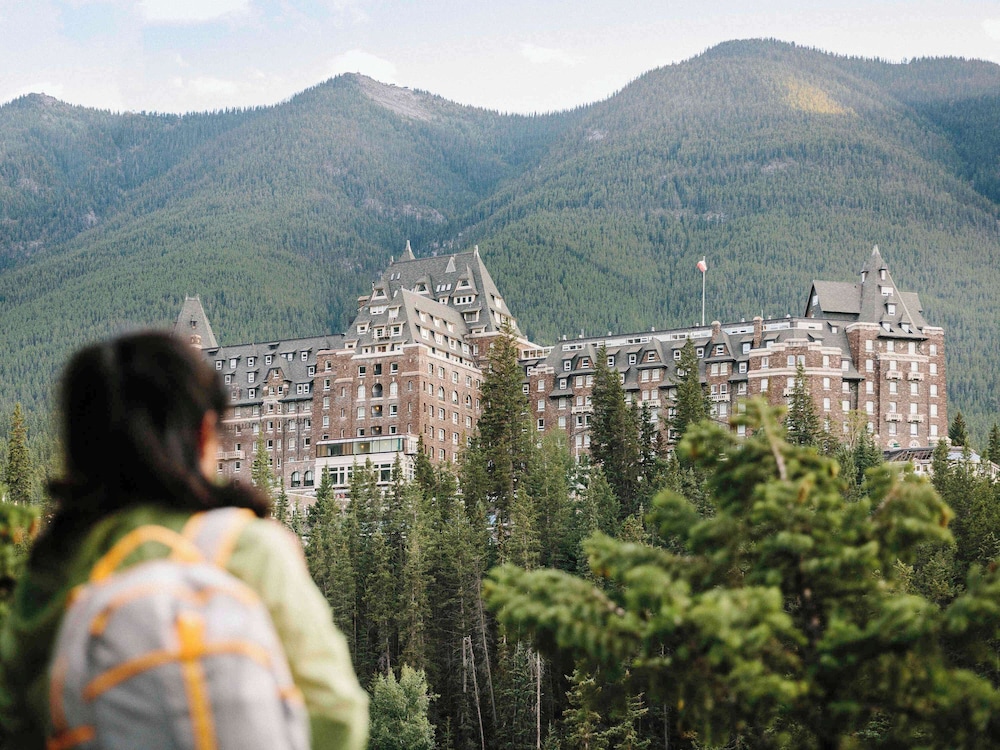
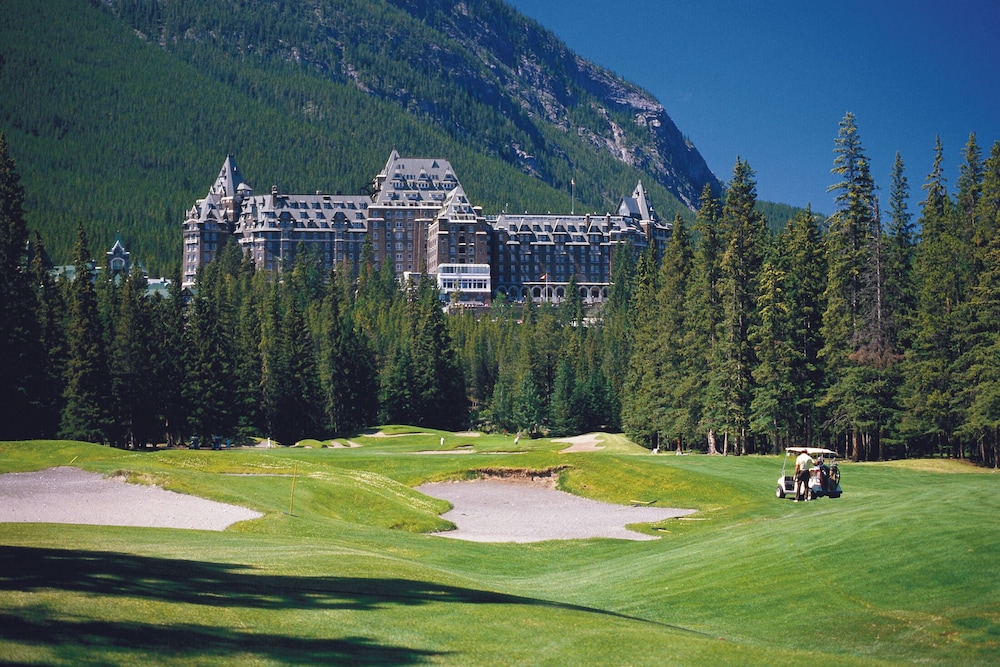
The Fairmont Banff Springs is less a hotel and more a geographical landmark, a vast 1888 railway hotel that looms over the town of Banff like a stone sentinel. Built by the Canadian Pacific Railway to lure wealthy European travellers to the wilderness, its architecture is a dizzying mix of Scottish baronial and French chateau styles, complete with limestone walls and Rundle stone masonry. Walking through the heavy oak doors feels like stepping back into a Gilded Age fantasy, where the scale of the corridors and the height of the vaulted ceilings dwarf the individual guest. It remains one of the most significant and imposing buildings in North America.
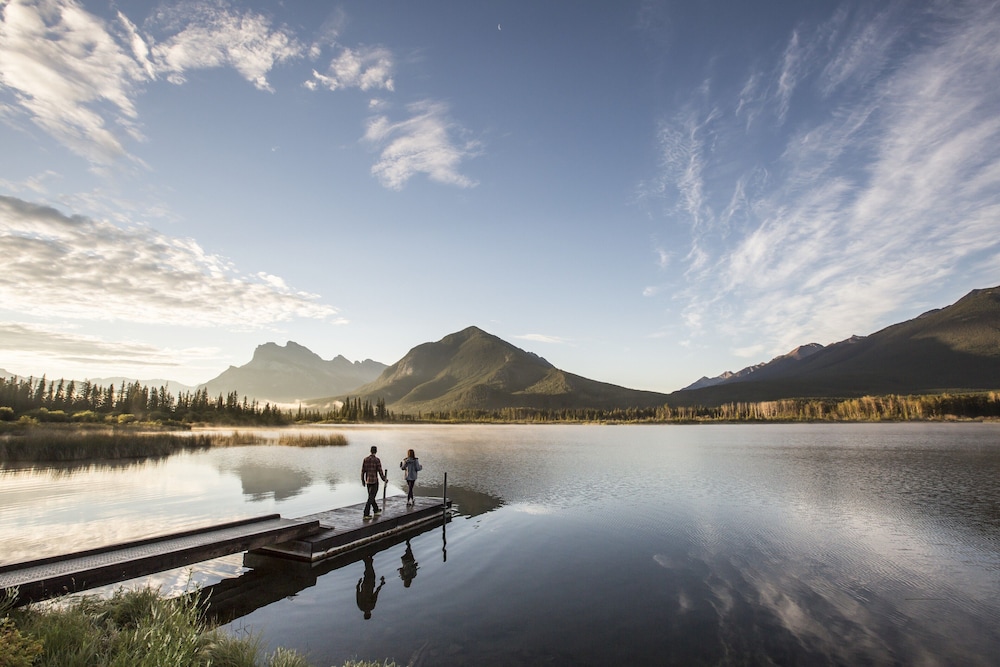
The setting is genuinely peerless, positioned at the confluence of the Bow and Spray Rivers within a UNESCO World Heritage site. From the rear terrace, the ground drops away to reveal the valley floor, framed by the jagged peaks of Mount Rundle and Tunnel Mountain. It is a view that has not changed in a century and remains the equal of any mountain panorama in Canada. Despite its size, the hotel manages to feel integrated into the landscape, serving as the primary anchor for the national park and providing a sense of permanence that newer boutique builds simply cannot replicate.
Navigating the maze of seven hundred rooms
With over 700 rooms tucked into various wings and turrets, the internal geography of the Banff Springs is complex. Room quality varies more here than at almost any other hotel we have reviewed, and your experience will be entirely dictated by what you book. The entry-level rooms, often located in the historic core of the building, can be surprisingly small by modern standards, reflecting the era in which they were originally designed. These spaces can occasionally feel dated relative to the high nightly rate, so guests expecting sprawling suites should pay close attention to the floor plans before confirming their reservation.
During our three-night stay in a Fairmont Deluxe Room, the experience was markedly better. These renovated categories in the newer wings offer a more contemporary sense of luxury, with updated bathrooms and furniture that bridges the gap between historic charm and modern utility. The beds are predictably excellent, featuring the high-thread-count linens one expects from the brand, and the soundproofing is robust enough to handle the hum of a busy hotel. If you are travelling as a couple or a family, avoid the cheapest categories at all costs; the upgrade to a Deluxe or a Junior Suite is essential for a comfortable stay.
Dining from the deli to the formal grill
The culinary offering is as vast as the building itself, ranging from casual grab-and-go options to the formal elegance of the 1888 Chop House. The Bow Valley Grill handles the breakfast rush, and while the quality of the buffet is high, the sheer volume of guests means you should prepare for queues during peak times. It is a well-oiled machine, yet it can feel a little industrial when the hotel is at full occupancy. For a more intimate experience, the Vermillion Room offers a brasserie-style atmosphere with a French-inspired menu that feels appropriate for the grand surroundings.
For drinks, the Grapes wine bar is a hidden gem, providing a quieter corner for charcuterie and local labels away from the main thoroughfares. However, the most iconic spot remains the Rundle Bar, where the double-height windows frame the valley perfectly. Ordering a cocktail here as the sun sets behind the peaks is a mandatory part of the Banff Springs experience. While the pricing is steep across all outlets, the quality is consistent, though those seeking a more local, bohemian dining scene will need to take the short ten-minute stroll or shuttle ride into the centre of Banff town.
The Willow Stream Spa and alpine wellness
The standout facility is undoubtedly the Willow Stream Spa, which underwent a multi-million-pound renovation to maintain its status as one of Canada’s premier wellness destinations. The heart of the spa is the mineral pool circuit, designed to mimic the natural hot springs that first brought tourists to the area. There is a magnificent waterfall room where three different plunges provide varying degrees of hydrotherapy, and the indoor-outdoor transition allows you to soak in heated waters while the mountain air hits your face. It is a sophisticated, quiet space that feels a world away from the busy lobby.
Access to the spa usually requires a daily fee unless you have booked specific treatments, but for many, this is the primary reason for choosing the hotel. Beyond the mineral pools, the outdoor terraces are equipped with loungers that face the mountains, providing a serene spot for reflection. In the summer months, the hotel’s golf course, designed by Stanley Thompson, offers a world-class mountain layout that begins right at the doorstep. The transition from the luxury of the spa to the ruggedness of the fairways highlights the hotel’s ability to cater to both relaxation seekers and active adventurers.
Seasonal adventures and the ski commute
In winter, the hotel serves as a grand base camp for the 'Big 3' ski areas: Banff Sunshine, Lake Louise, and Mt. Norquay. Dedicated shuttles run regularly from the motor court, making the logistics of a ski holiday remarkably simple. There is a full-service ski valet and rental shop on-site, ensuring that you don't have to lug heavy equipment through the stone corridors. The atmosphere changes in the winter, as the fireplaces are lit and the hotel takes on a cosy, festive glow that peak-season summer visitors miss out on.
When the snow melts, the focus shifts to the network of trails that start at the hotel’s edge. You can walk down to Bow Falls in minutes or embark on more strenuous hikes directly from the property. The proximity to the wilderness is the hotel's greatest asset; you are effectively living inside a national park with all the amenities of a small city. For families, the resort offers a range of seasonal activities, including guided walks and heritage tours that explain the building's long history and its various ghostly legends, which add a layer of character to the stay.
Service at a grand and busy scale
Managing a hotel of this size requires a small army, and for the most part, the service is professional and efficient. However, the scale of the operation inevitably leads to some friction points. Check-in and check-out can involve significant wait times during the mid-afternoon rush, and the concierge desk is often under siege by guests seeking dining reservations or tour bookings. It is a hotel where you need to be proactive; booking your tables and spa slots weeks in advance is highly recommended to avoid disappointment during your stay.
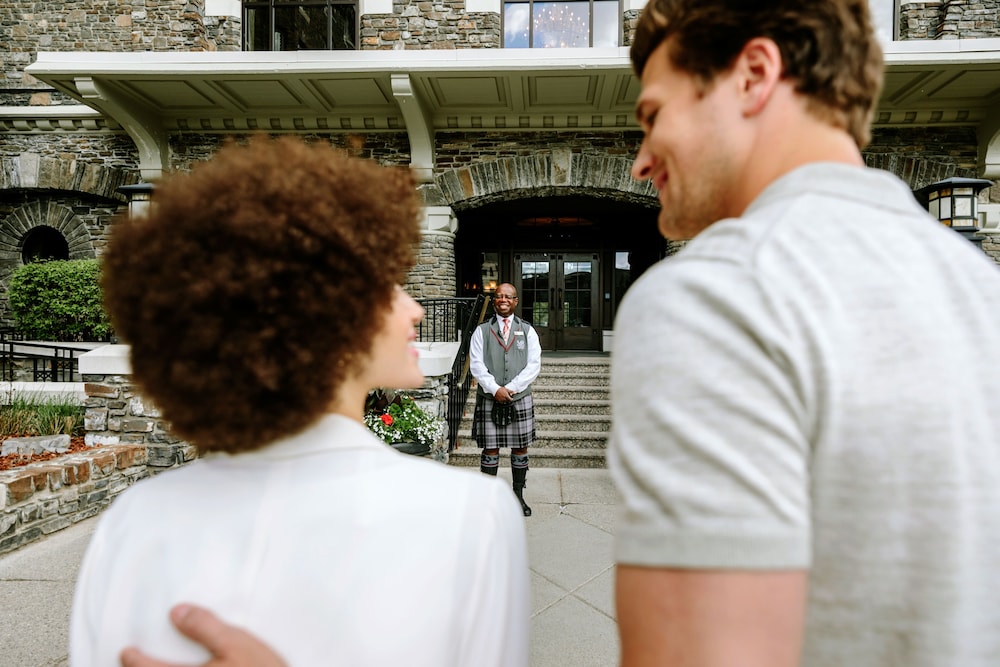
The staff are generally excellent at handling the crowds, maintaining a level of Canadian hospitality that feels genuine despite the high turnover of guests. Bellmen are quick to assist with the labyrinthine corridors, which is a blessing given how far some rooms are from the elevators. It is worth noting that a mandatory resort fee is applied to all bookings, covering items like Wi-Fi and the shuttle service. While these additions are standard in North American resorts, they do add up, and guests should factor these along with valet parking costs into their total budget.
The verdict on value and when to visit
The Fairmont Banff Springs is a destination hotel that demands to be experienced at least once. Is it worth the high price tag? Yes, provided you treat it as a grand heritage experience rather than a contemporary boutique hotel. The value is found by booking during the shoulder months. Late April, May, and November offer startlingly lower rates compared to the peak periods. In May, the mountains are still capped with snow and the lakes are beginning to thaw, yet the crowds have not yet descended, making it the most strategic time to visit for those sensitive to price.
Conversely, July, August, and the Christmas period see the hotel at its most expensive and crowded. For the best experience, aim for a renovated room category and budget for the extras that make the stay special, such as spa access and a meal at the Chop House. Despite the occasional queue and the small size of some historic rooms, the sheer majesty of the building and its position in the heart of the Rockies ensure it remains a bucket-list stay for any traveller to Alberta. It is a flawed masterpiece, but a masterpiece nonetheless.
Cheapest in late April, May and November between the ski and hiking seasons; July, August and Christmas are the peaks.