Four Seasons Singapore review: the grown-up alternative to Marina Bay
Orchard Road, Singapore — reviewed over three nights in a Premier Room
FlexStays Editorial · 14 February 2023 · 8 min read · Our score 8.9/10
Michelin-starred Cantonese, a Nobu, tennis courts and rooms twice the size of the city's newer openings — just off Orchard Road.
What we liked
- Unusually large rooms with high ceilings and bay windows
- Jiang-Nan Chun (Michelin-starred Cantonese) and Nobu on site
- Two tennis courts and a 24-hour gym — rare in the city centre
Worth knowing
- The building is 1990s and shows it in places
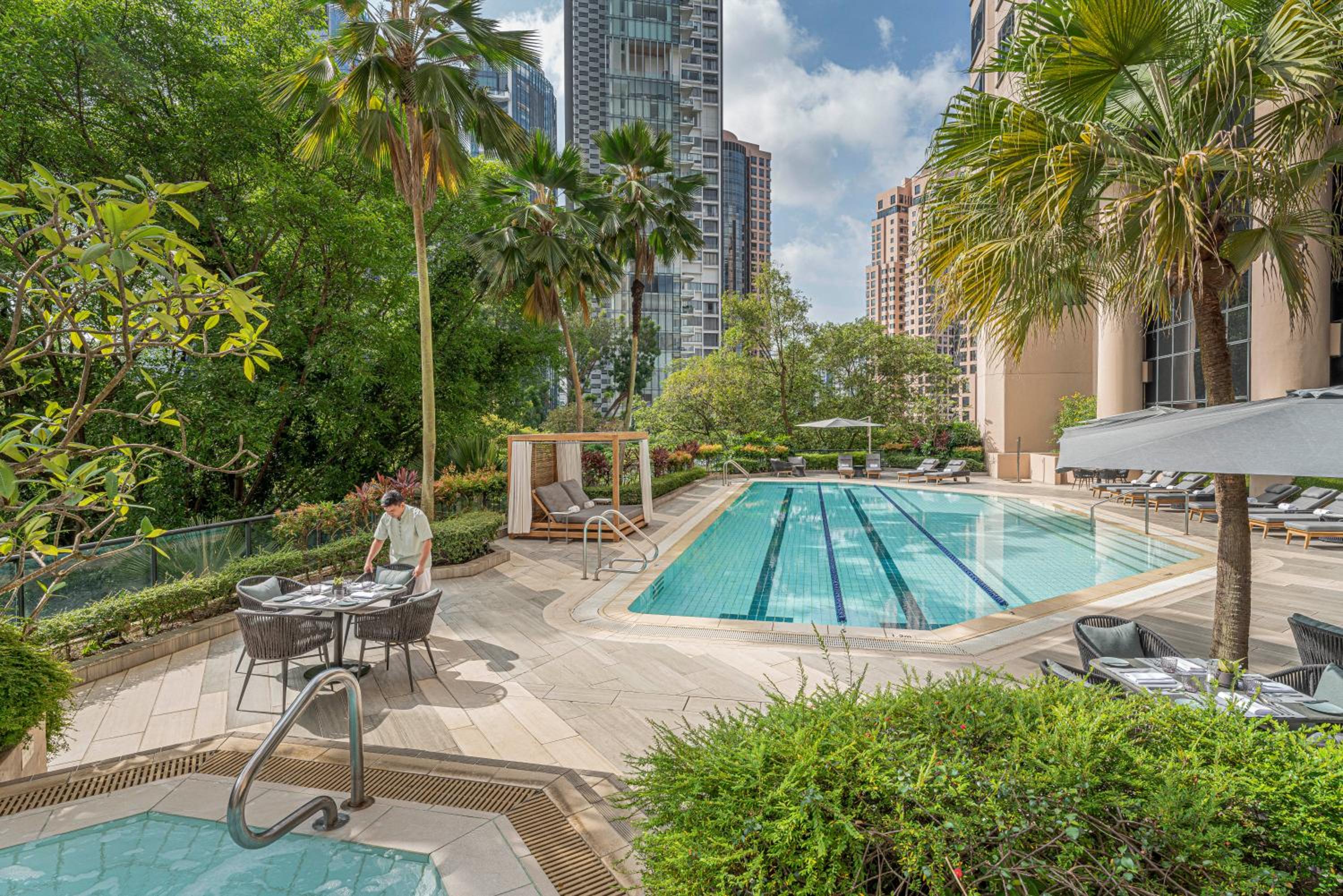
- Pool is a lap pool, not a resort pool
- Corridor refurbishment works have been running into late 2026
The case for an Orchard Road retreat
Singapore’s skyline is dominated by the architectural pyrotechnics of Marina Bay, where tiered towers and infinity pools cater to the postcard-hunting masses. However, those familiar with the island’s peculiar humidity and crowd density often seek refuge elsewhere. The Four Seasons Singapore occupies a strategic, tree-lined corner just a street back from the frantic consumerism of Orchard Road. It trades the neon spectacle of the waterfront for a grounded sense of space and a level of service consistency that newer, larger hotels frequently struggle to maintain. This is a property designed for the long-haul traveller who values a quiet lobby over a busy observation deck.
Choosing this location means you are steps away from the ION Orchard shopping hub and the Orchard MRT station, placing the entirety of the city-state within a thirty-minute radius. Yet, the hotel remains buffered from the noise of the main thoroughfare. It is a transition point between the glass-and-steel business district and the verdant, colonial-era embassy rows nearby. For those here on a stopover or for corporate meetings, the trade-off is clear: you lose the view of the Merlion but gain a significant amount of breathing room and a far more predictable guest experience than the tourist magnets on the water.
Proportions that defy modern trends
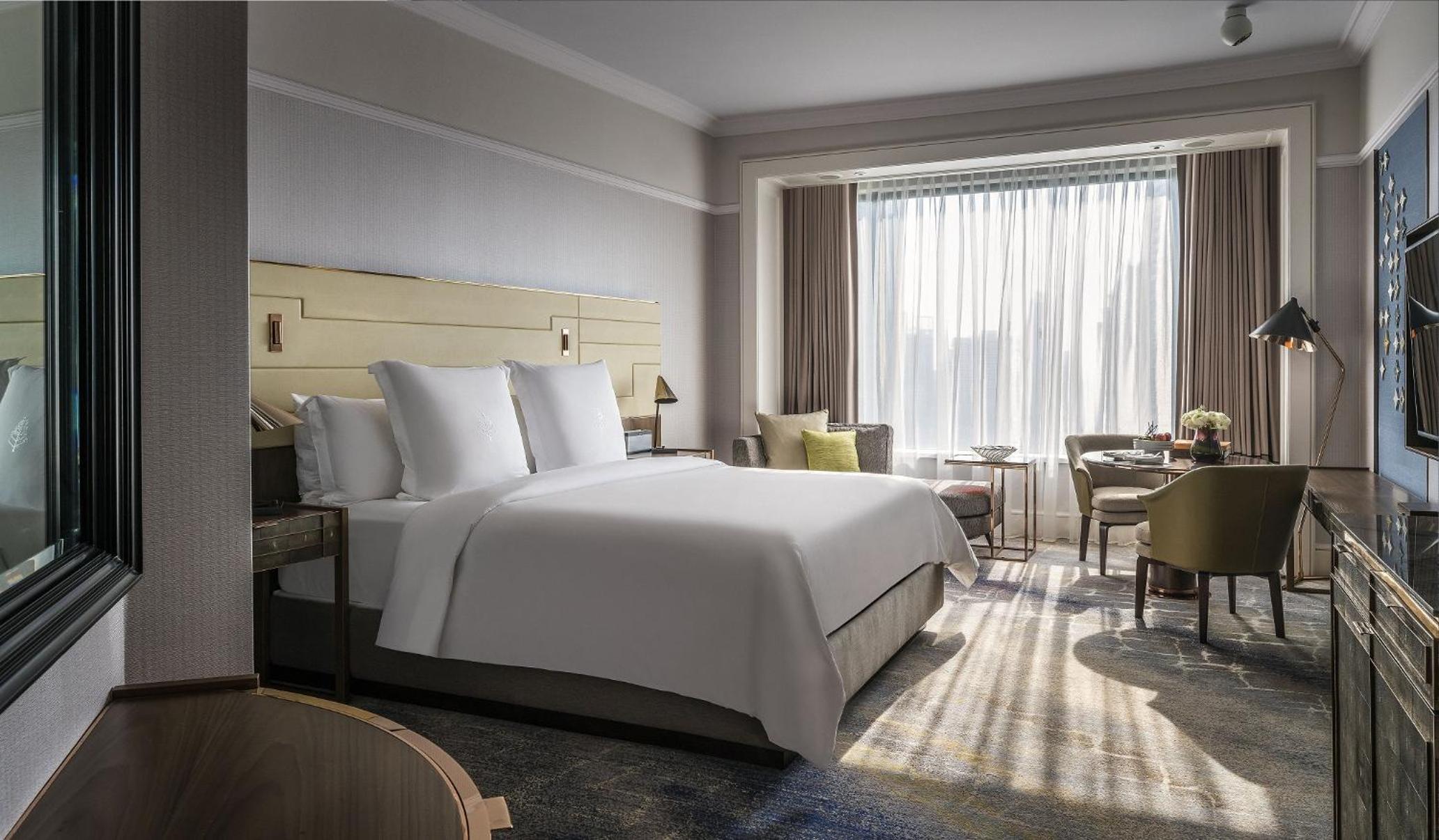
In a city where new luxury openings are increasingly tightening their floor plans to maximise yield, the rooms here feel like a defiant holdover from an era of genuine grandeur. The Premier Rooms are notably large, characterised by high ceilings that prevent any sense of claustrophobia during a tropical downpour. The design language is classic and restrained, favouring dark polished woods, silk-textured wall coverings, and subtle Asian art over the clinical minimalism found elsewhere. The deep bay windows are a particular highlight, providing a cushioned ledge to watch the city while effectively insulating the room from street-level acoustics.
The practicalities of the room layout are equally impressive. A proper full-sized writing desk is provided, a feature often sacrificed in modern hotels for small round café tables. The bathrooms are finished in marble, featuring separate soaking tubs and walk-in showers across almost every category, alongside double vanities that make sharing a space much less of a logistical hurdle. It is worth noting, however, that the property is undergoing a multi-year phased refurbishment. Guest corridor works are scheduled to continue into late 2026, which can lead to intermittent daytime noise. It is advisable to request a room several floors away from active renovation zones to ensure your peace is undisturbed.
Cantonese excellence and global names
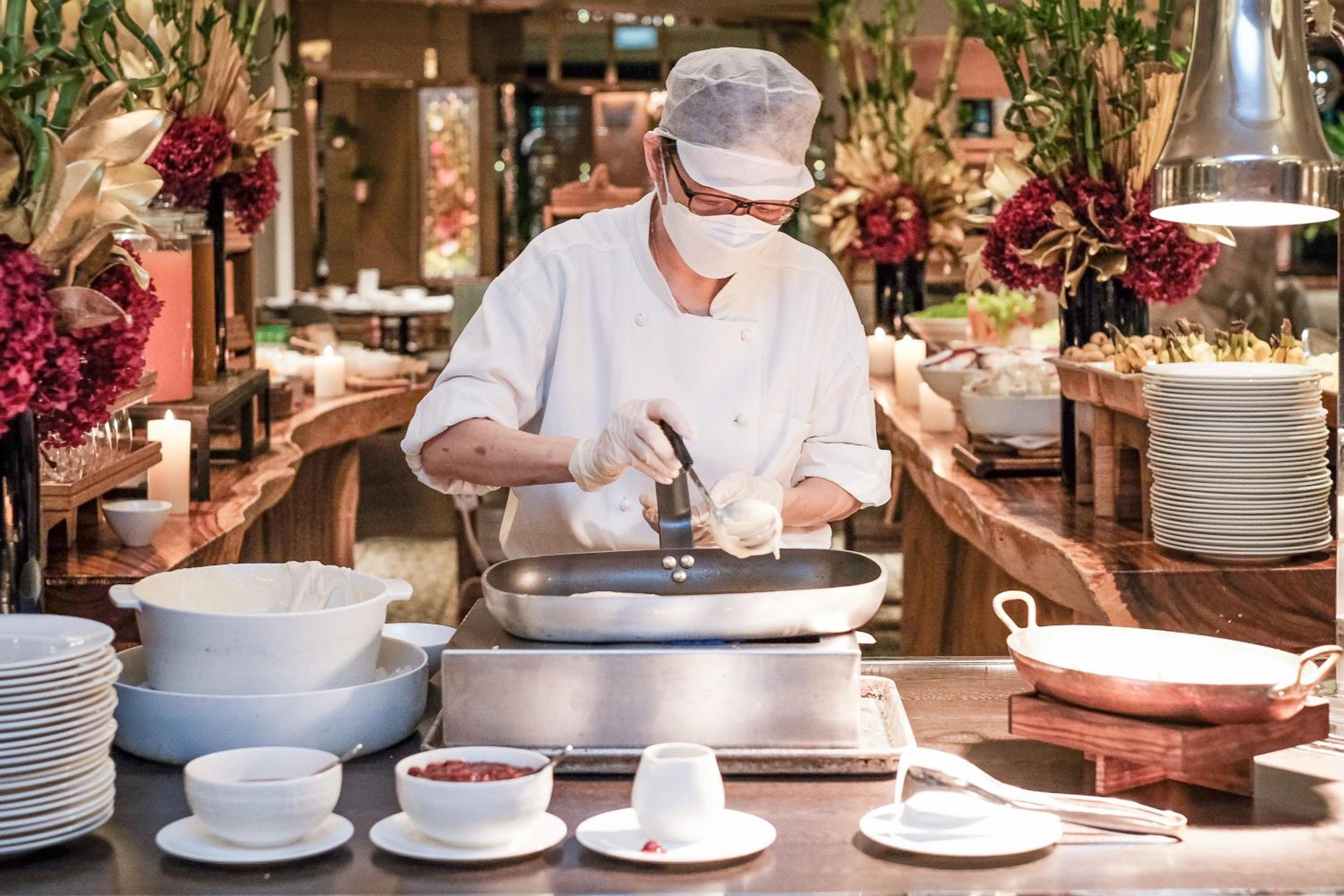
Dining is where the hotel truly asserts its dominance in the local market. Jiang-Nan Chun is not merely a hotel restaurant but a genuine destination for Singapore’s discerning Cantonese food enthusiasts. The Michelin-starred kitchen specialises in traditional techniques, most notably the wood-fired Peking duck and a dim sum menu that attracts a loyal local following for weekend lunches. The dining room itself is an exercise in understated elegance, using art deco touches and heavy linen to create an atmosphere suitable for either a business contract signing or a quiet family celebration.
On the lobby level, the arrival of Nobu has added a contemporary edge to the hotel’s culinary profile. It delivers the expected high-standard Japanese-Peruvian fusion in a space that feels distinctly more vibrant than the rest of the property. For daily requirements, One-Ninety serves as the all-day anchor, handling a comprehensive breakfast spread and a semi-buffet lunch that is particularly popular with the Orchard Road workforce. If you have access to the club lounge, you will find a well-managed sanctuary that provides a consistent flow of refreshments and evening cocktails, managed by a team that remembers names and beverage preferences with impressive speed.
Active facilities in a concrete jungle
The facilities here are designed with the active resident in mind rather than the casual sunseeker. While most city-centre hotels are lucky to offer a treadmill in a basement, the Four Seasons provides two outdoor tennis courts, a rarity in this part of Singapore where land is at a premium. The gym is accessible twenty-four hours a day and is sufficiently equipped for a serious workout, lacking the cramped feeling of a secondary amenity. It is clear that the hotel caters to a demographic that maintains a routine even while travelling, offering enough physical space to avoid the morning rush at the weights rack.
The pool, located on a lower rooftop, is a dedicated lap pool rather than a sprawling resort-style lagoon. It is perfectly functional for an early morning swim or a cooling dip after a day in the heat, but those looking for a beach-club atmosphere with sprawling cabanas and poolside DJs should look elsewhere. The adjacent spa offers a range of treatments that lean towards the therapeutic and restorative, providing a quiet escape from the humidity. The overall feel of the wellness floor is one of quiet efficiency; it is a place to recover and reset rather than a social destination in its own right.
The nuance of heritage service
There is a palpable difference between the service in a purpose-built contemporary hotel and one that has operated under the same flag for decades. The staff at this property display a level of institutional knowledge that is increasingly hard to find. Porters and concierge staff have an intimate understanding of the city’s geography and the best ways to navigate the shifting traffic patterns of the Orchard district. There is a lack of the rehearsed, robotic friendliness that often plagues international chains; instead, the interaction feels grounded and professional, aimed at solving problems rather than just fulfilling scripts.
This reliability extends to the housekeeping and room service teams, who manage to be thorough without being intrusive. Because the hotel is smaller than the behemoths at Marina Bay, the staff-to-guest ratio feels more favourable, resulting in shorter wait times for elevators and a more relaxed pace at the check-in desks. Even during peak periods, the lobby maintains a sense of calm. This is the primary reason the hotel retains a high percentage of repeat guests who value the fact that their preferences are recorded and anticipated from one year to the next.
Suitability for families and couples
While it carries a reputation as a business hotel, the property is surprisingly accommodating for families. The sheer size of the rooms makes a significant difference when travelling with children, as extra beds do not turn the living space into an obstacle course. The proximity to the Singapore Botanic Gardens, a UNESCO World Heritage site, provides a nearby green space for children to burn off energy, while the internal corridors and secure elevators offer a safe, controlled environment. It is a mature choice for parents who want to stay in a luxury setting without the over-the-top themes of a dedicated family resort.
For couples, the appeal lies in the privacy and the dining options. The hotel does not suffer from the 'fishbowl' effect of the glass-walled hotels in the financial district, offering a more intimate setting for a romantic weekend. The ability to move from a quiet afternoon at the spa to a high-end dinner at Nobu without leaving the building is a significant draw. It serves as an excellent base for those who want to explore the city’s nightlife and shopping during the day but wish to retreat to a sanctuary that feels worlds away from the neon lights of the shopping malls.
Navigating the logistics of arrival
Reaching the hotel from Changi Airport is a straightforward twenty-five-minute drive, provided you avoid the morning and evening rush hours when the East Coast Parkway can become congested. For those arriving by public transport, the MRT system is exceptionally clean and efficient, though the walk from Orchard station with heavy luggage can be challenging in the heat. Taxis and ride-sharing services are plentiful and highly regulated, making them the most practical choice for first-time visitors. The hotel’s driveway is tucked away, providing a discreet arrival point that keeps the traffic of the main road at a distance.
Once situated, the immediate neighbourhood is a pedestrian’s dream if you enjoy high-end retail and diverse food courts. The basement levels of the nearby malls offer some of the city's best casual dining, while the upper floors house every major global luxury brand. For those who want to venture further, the hotel’s concierge can arrange private transport to the Southern Ridges or the cultural districts of Little India and Kampong Glam. The location essentially places you at the hub of a wheel, with all the spokes of Singapore’s cultural and commercial life radiating outward.
Final verdict and when to book
The Four Seasons Hotel Singapore is the reliable, grown-up alternative to the flashier options on the waterfront. It does not try to compete with the 1990s architecture of its own exterior, but instead focuses on the interior experience: large rooms, exceptional food, and a sense of calm that is rare in a city of this density. It represents excellent value when compared to the inflated prices of the Marina Bay hotels, offering a superior room product and a more personal level of service for a marginally lower rate. It is a property for the seasoned traveller who prioritises substance over spectacle.
Timing your visit is crucial for value. Rates jump significantly during the Grand Prix weekend in September and around the Chinese New Year period when the entire city reaches peak capacity. For the best rates, look toward November and early December, which are traditionally the softest months for occupancy before the year-end festive rush. Avoid the major regional holidays and run a month-view search to identify the flat weeks where corporate travel dips. If you can tolerate the ongoing corridor refurbishments and don't mind a lap pool instead of a lagoon, this remains one of the most sensible luxury stays in the city.

Rates jump for the Grand Prix weekend in September and Chinese New Year. November and early December are usually the softest.