Four Seasons Tokyo at Otemachi review: the best skyline view in the city
Otemachi, Tokyo — reviewed over three nights in a Deluxe Room
FlexStays Editorial · 7 November 2022 · 7 min read · Our score 9.4/10
Floor-to-ceiling glass, a 39th-floor spa and Tokyo Station five minutes away. The Otemachi Four Seasons is small, sharp and worth the premium — on the right dates.
What we liked
- Only 190 rooms, so service stays personal
- Spa and pool on the 39th floor with views over the Imperial Palace gardens
- Five minutes' walk to Tokyo Station and the Narita Express
Worth knowing
- Otemachi is a business district — quiet at night, few restaurants at street level
- Among the most expensive rooms in Tokyo
- Pool is small; it is for swimming lengths, not lounging
An elevated arrival in Otemachi
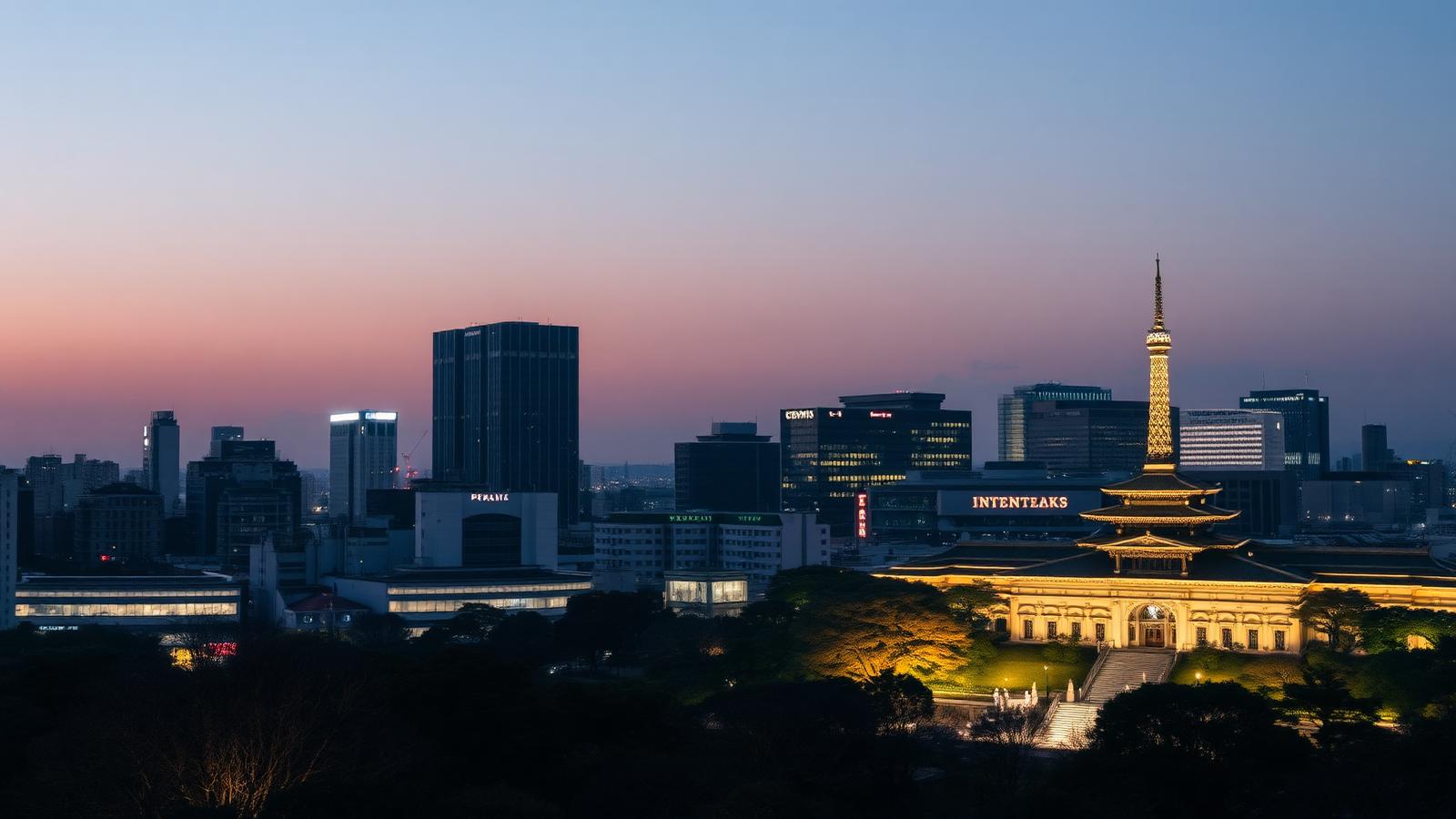
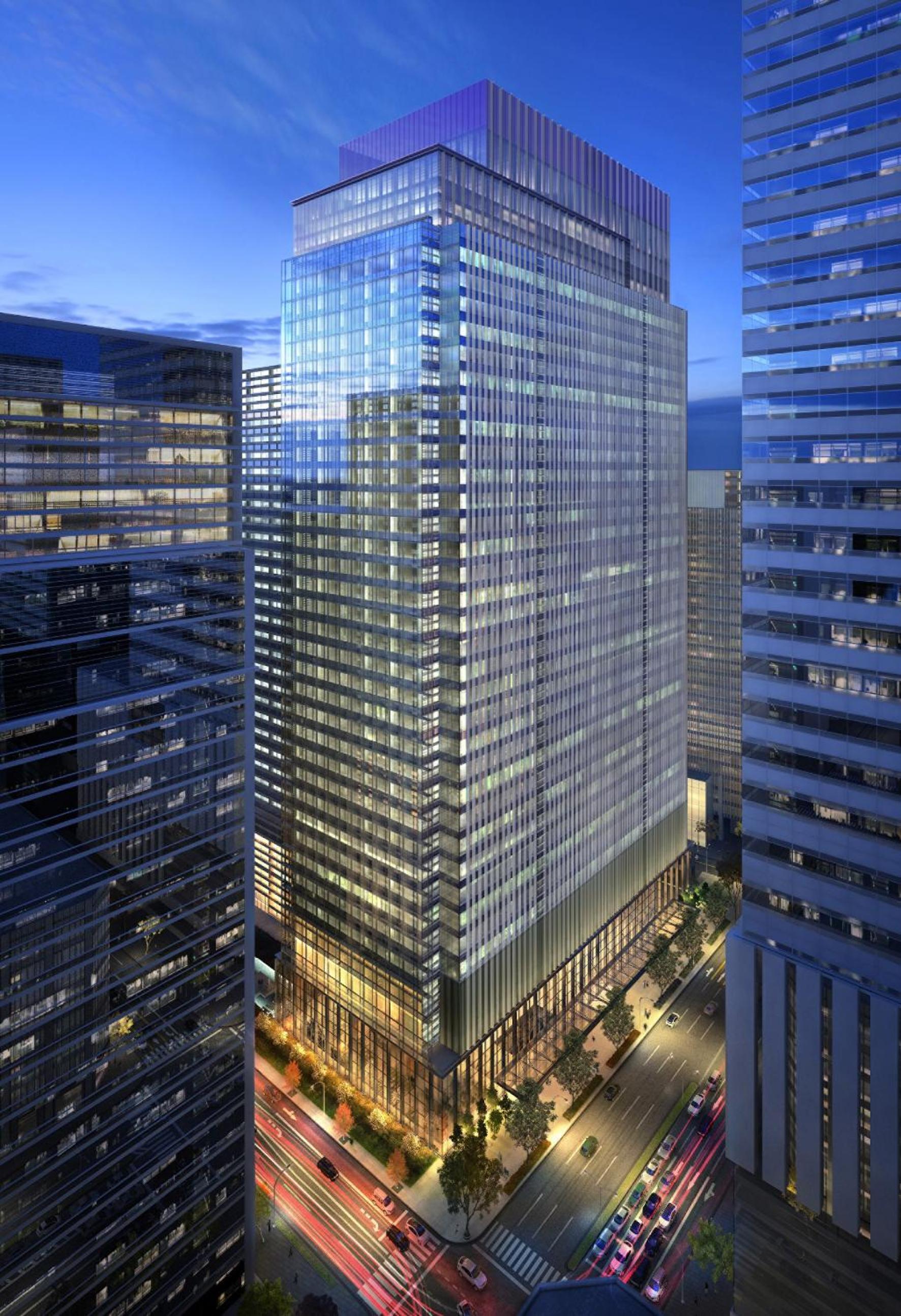
The Four Seasons Hotel Tokyo at Otemachi occupies the uppermost floors of the Otemachi One tower, a soaring glass monolith that defines the skyline of Tokyo's primary financial district. Arrival here is a choreographed exercise in transition; the ground-floor entrance is discreet and serves as a quiet buffer from the corporate bustle of the street. A dedicated lift whisking guests to the 39th-floor lobby reveals the property's greatest asset: a panoramic vista that stretches across the emerald canopy of the Imperial Palace gardens towards the dense thicket of Shinjuku skyscrapers. It is a view that immediately establishes a sense of place and quiet authority.
The design aesthetic, courtesy of Jean-Michel Gathy, avoids the clichés of traditional Japanese minimalism in favour of a more layered, contemporary luxury. The lobby is a vast, light-filled space where water features and stone accents create a serene atmosphere that feels far removed from the city below. With only 190 guest rooms, the property manages to feel like a boutique sanctuary despite its scale and verticality. It is a sharp, modern counterpoint to its older sibling at Marunouchi, trading that property's intimate train-side charm for grand architectural gestures and some of the most impressive communal spaces in the capital.
Strategic placement for the seasoned traveller
Otemachi is, by its nature, a business district dominated by the headquarters of banks and media conglomerates. On a Sunday evening, the streets can feel eerily quiet as the corporate crowd departs, which might initially disconcert those seeking the neon-drenched chaos of Shibuya. However, for the seasoned traveller, this silence is a virtue. The hotel sits atop a major transit hub where five subway lines intersect, and Tokyo Station is a mere five-minute stroll through a climate-controlled underground walkway. This proximity makes the Narita Express and the Shinkansen network remarkably accessible, turning the hotel into a highly efficient base for exploring the wider country.
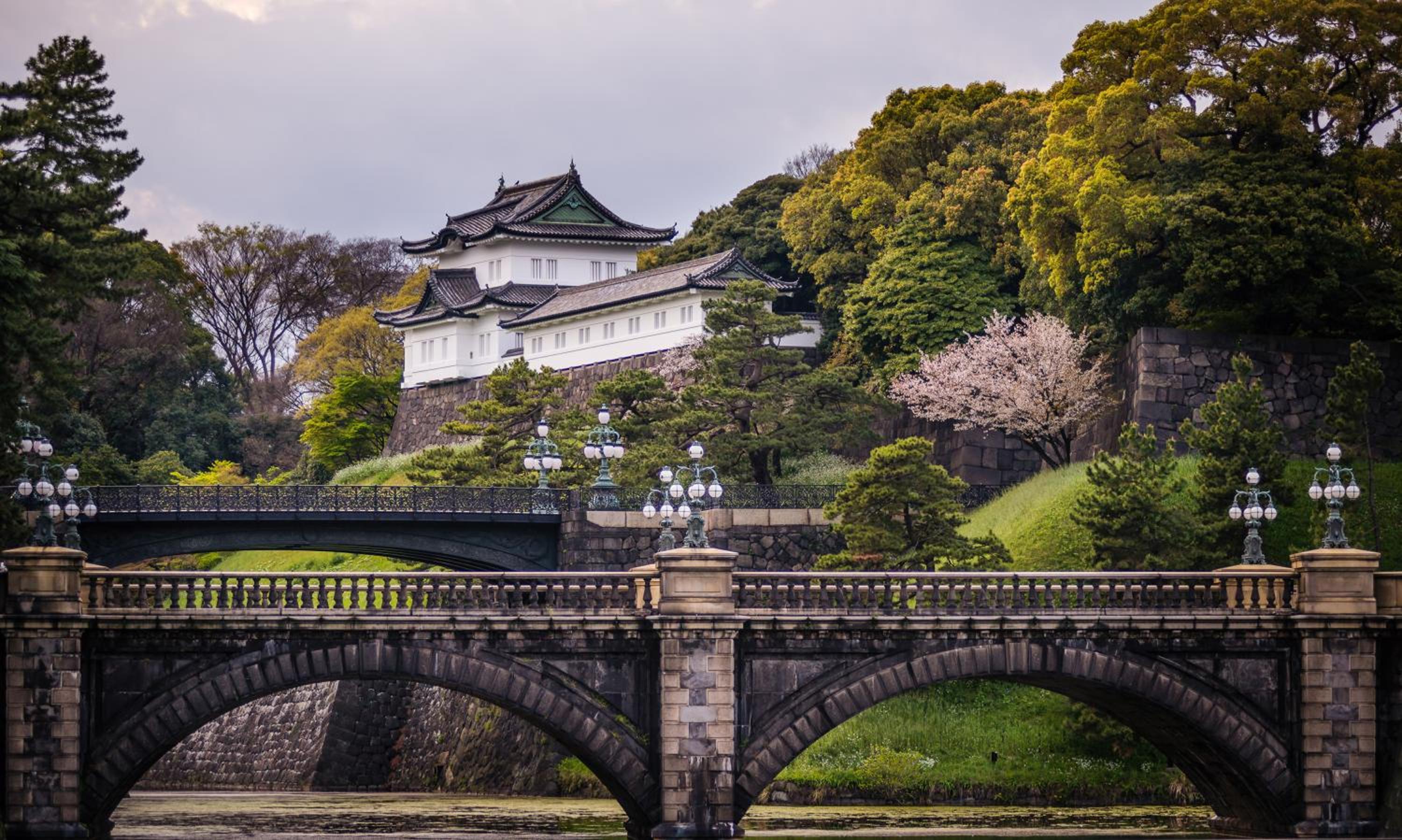
While the immediate vicinity lacks the gritty charm of back-alley izakayas, the location is far from isolated. The Imperial Palace gardens are essentially across the road, providing a three-mile perimeter path that is arguably the finest running route in the city. For shopping and dining, the high-end boutiques of Ginza are a pleasant twenty-minute walk or a single stop on the subway. The trade-off is simple: you sacrifice immediate street-level nightlife for unparalleled connectivity and a level of peace that is rare in a city of fourteen million people. It is a location built for those who value time and logistical ease above all else.
Precision and comfort in the Deluxe Rooms
Accommodation here is defined by a sense of precision. Even the entry-level Deluxe Rooms are generous by Tokyo standards, though the focus is on layout efficiency rather than sprawling floor space. The design language is consistent with the public areas, featuring a palette of grey, gold, and dark wood that feels sophisticated rather than sterile. The floor-to-ceiling glass walls ensure the city is always the focal point; rooms facing west offer sunset views over the palace moats, while east-facing rooms look down upon the intricate red-brick architecture of Tokyo Station. The soundproofing is absolute, effectively muting the rhythmic hum of the city below.
Technical details are handled with typical Japanese thoroughness. The bedside control panels are intuitive and legible, allowing for seamless adjustment of the lighting and the heavy blackout curtains that truly live up to their name. The bathrooms are a highlight, featuring deep soaking tubs positioned to allow a view of the television or the skyline, alongside the ubiquitous heated washlet toilets. Small touches, like the quality of the yukata robes and the curated selection in the mini-bar, elevate the experience. With the hotel occupying only a handful of floors, the corridors remain remarkably quiet, and the lift service is exceptionally responsive, avoiding the long waits common in other high-rise hotels.
Dining at height from Pigneto to est
The culinary offering at Otemachi is anchored by two distinct personalities. Pigneto, the hotel's more casual Italian venue, features an open kitchen and an outdoor terrace that is one of the most coveted spots in the city during the temperate months. The atmosphere here is lively, serving authentic pizzas and hand-rolled pastas to a mix of hotel guests and local executives. It provides a necessary lightness to the dining programme, acting as a social hub where the service is professional but notably warm and informal. The breakfast served here is a comprehensive affair, ranging from delicate Japanese sets to robust western staples, all executed with high-grade ingredients.
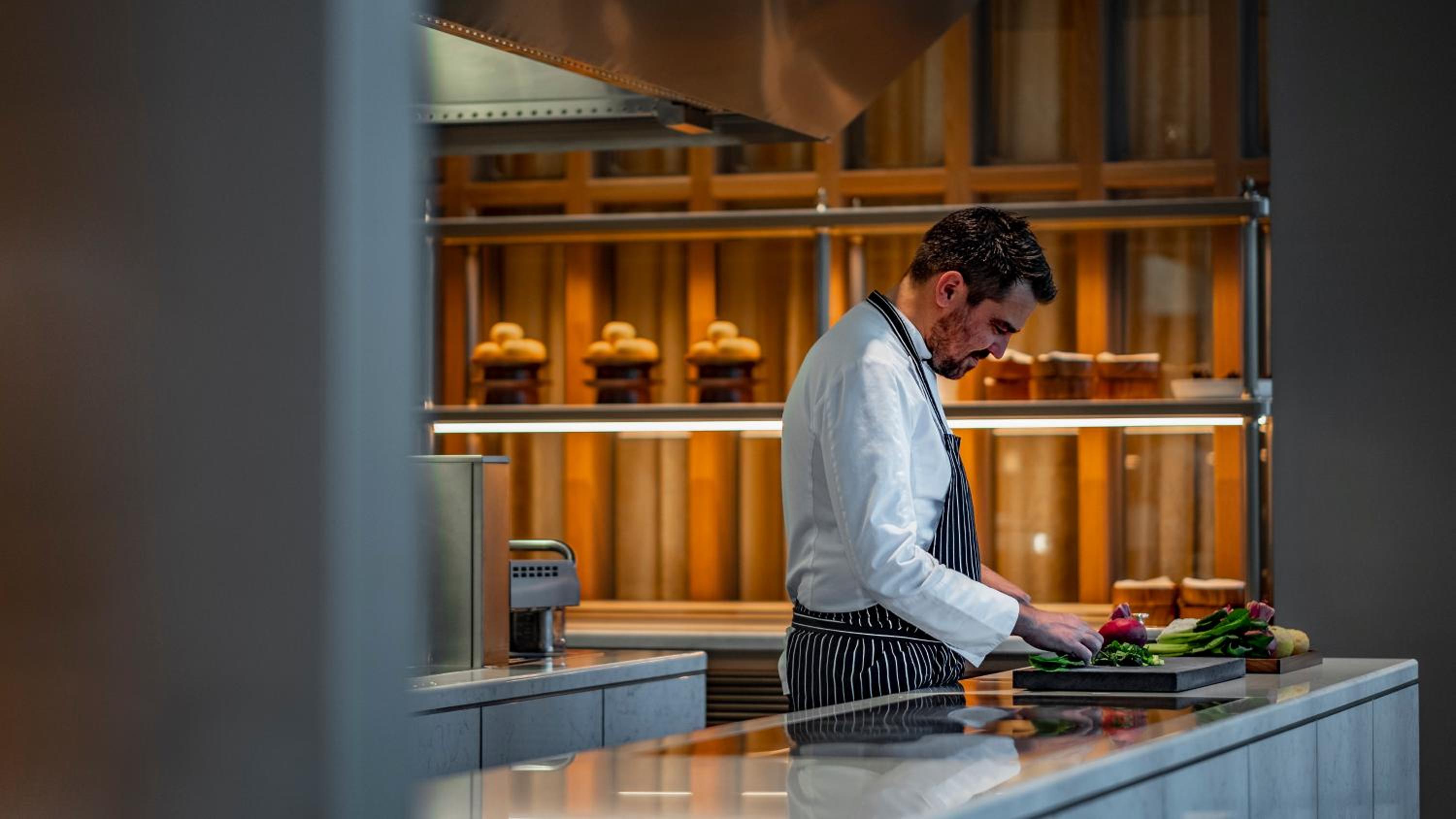
For a more formal experience, est offers contemporary French cuisine viewed through a Japanese lens. Under the guidance of Chef Guillaume Bracaval, the kitchen focuses on seasonal provenance, resulting in dishes that are technically brilliant and visually striking. The dining room itself is a masterclass in understated luxury, providing a hushed, reverent environment for a tasting menu. Even if you choose to dine elsewhere, the VIRTÙ bar is an essential stop. Specialising in Paris-meets-Tokyo cocktails, it is a moody, atmospheric space where the mixology is taken very seriously. The bar’s cognacs and rare whiskies reflect the hotel's position as a premier destination for the city's affluent night owls.
A 39th-floor sanctuary of wellness
The spa and wellness facilities are perhaps the strongest argument for choosing this property over its competitors. Situated on the 39th floor, the spa feels like a celestial retreat. The treatment rooms are spacious and serene, offering therapies that blend regional techniques with global standards. However, it is the wet facilities that truly impress. The traditional Japanese baths, sauna, and steam rooms are maintained with fastidious care, offering a level of relaxation that is deeply rooted in local culture. The attention to detail extends to the relaxation lounge, where guests can recline and watch the shadows lengthen over the Imperial Palace grounds.
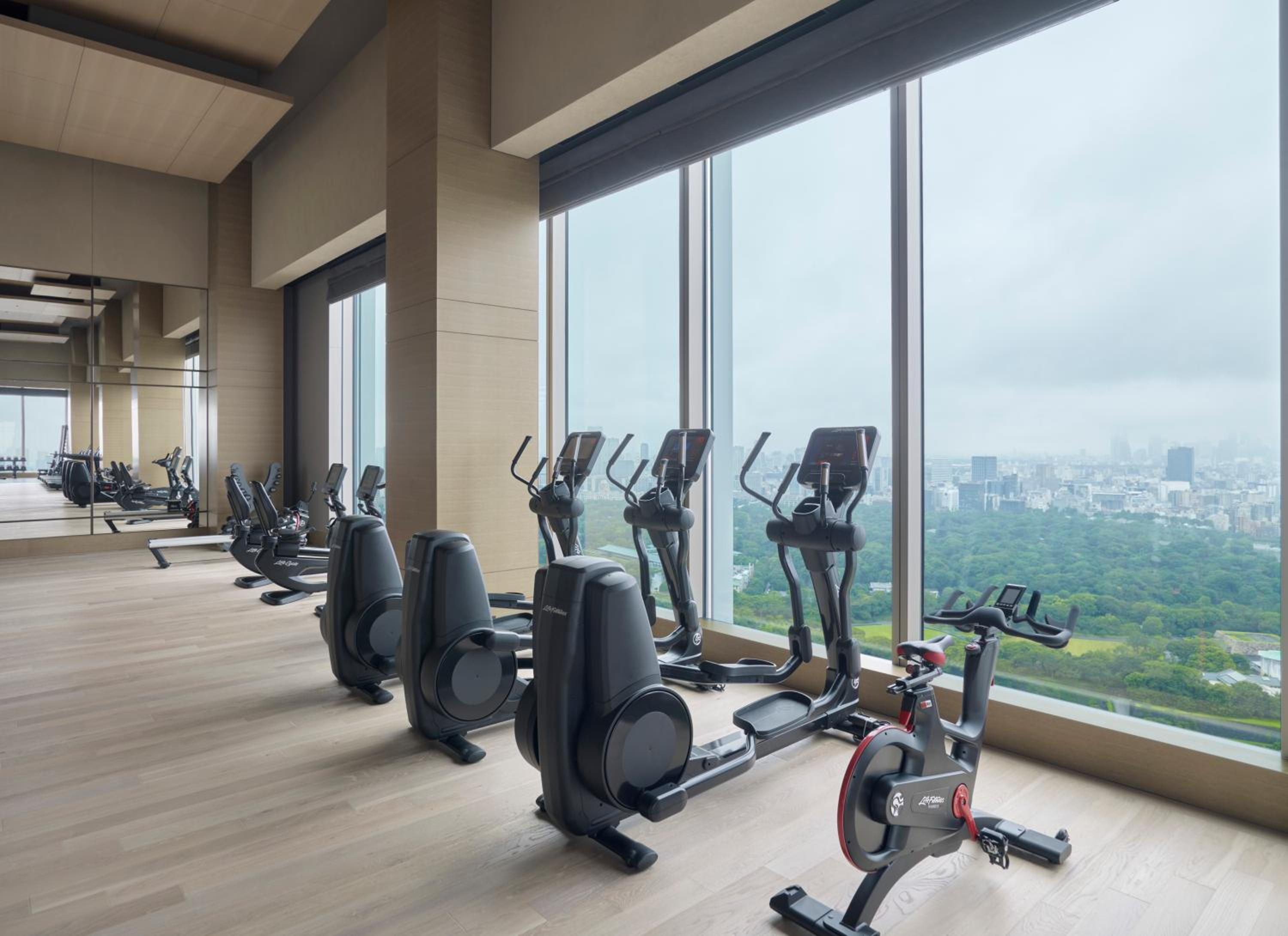
The swimming pool is a sleek, 25-metre lap pool framed by floor-to-ceiling windows. It is important to note that this is a facility designed for serious swimming rather than poolside lounging; the space is narrow, and the atmosphere is one of quiet exercise. While there are a few loungers available, they are best suited for a post-swim recovery rather than an afternoon of reading. Adjacent to the pool is a hydrotherapy vitality pool that offers a more social, relaxing soak. The fitness centre is equally impressive, stocked with the latest Technogym equipment and positioned to make the most of the dizzying views, ensuring that even a standard workout feels like a luxury experience.
Personalised service at a manageable scale
What distinguishes the Four Seasons Otemachi from the vast, sprawling luxury hotels elsewhere in the city is its manageable scale. With fewer than 200 rooms, the staff-to-guest ratio allows for a level of recognition that feels genuine. Within twenty-four hours of arrival, the concierge and front-of-house teams typically address guests by name, and preferences for morning coffee or newspaper delivery are noted and remembered. The service style is a hybrid of traditional Japanese omotenashi—the art of selfless hospitality—and the polished, proactive efficiency that the Four Seasons brand is known for globally.
This personal touch extends to the smaller details of the stay. Housekeeping is meticulous, appearing twice daily to reset the room to its arrival state without ever feeling intrusive. The concierge team is particularly adept at navigating the complexities of the Tokyo dining scene, often securing tables at sought-after restaurants that appear fully booked on digital platforms. For international travellers, this level of local expertise is invaluable. Whether it is arranging a private guide for the Tsukiji outer market or simply ensuring a seamless transfer to the airport, the staff operate with a quiet competence that removes the friction from a complex city like Tokyo.
The verdict on value and timing
The Four Seasons Hotel Tokyo at Otemachi is a high-performance machine, offering a refined and contemporary Japanese experience that justifies its significant price tag for the right traveller. It is particularly well-suited to those who appreciate modern architecture, efficient transport links, and a quieter, more executive environment. Families will find the service accommodating, though the hotel’s atmosphere leans more towards couples and business travellers who value the sophisticated spa and dining scenes. It is a property that delivers on its promises of luxury and exclusivity, provided you are comfortable with the business-centric nature of the Otemachi district.
Value in Tokyo is highly seasonal, and Otemachi is no exception. During the peak cherry blossom weeks of late March and the vibrant autumn foliage of November, room rates can reach eye-watering levels. For those looking to experience the property at a more reasonable cost, the winter months of January and February, or the rainy season in June, offer significantly better value. It is always worth comparing room-only rates against those inclusive of breakfast; in this specific property, the breakfast supplement is often discounted when bundled, representing a sensible saving given the high cost of dining in the hotel. Plan your dates carefully, and this remains one of the most compelling stays in the capital.
Tokyo rates spike for cherry blossom (late March to early April) and autumn colour (November). January, February and June are consistently the cheapest months.