Hotel Cipriani Venice review: the quietest address in a very loud city
Giudecca, Venice — two nights in a lagoon-view room
FlexStays Editorial · 11 June 2020 · 8 min read · Our score 9.5/10
A boat ride from San Marco buys you a garden, an Olympic-length pool and silence. Here is what Belmond's Venetian flagship gets right, and when it costs least.
What we liked
- Free 24-hour launch to San Marco, running every few minutes
- Gardens and a saltwater pool — almost unheard of in Venice
- Genuinely quiet: no crowds, no wheelie cases at 07:00
Worth knowing
- You are on Giudecca, so every outing involves a boat
- Food and drink pricing is at the top of the Venetian range
- Closed for part of the winter, which compresses demand into the shoulder
The art of arrival across the lagoon
In Venice, the threshold between the relentless press of the crowd and the relief of silence is measured in nautical miles. The experience of arriving at Hotel Cipriani begins not at a check-in desk, but at the private wooden launch moored at San Marco. As the boat pulls away from the pier, the noise of the city, the clatter of suitcases on stone, and the hum of the tourist masses begin to recede. By the time the vessel swings across the Giudecca canal and approaches the hotel's private jetty, the silence is almost startling. It is a calculated transition that prepares the guest for a version of Venice that most visitors never actually encounter.
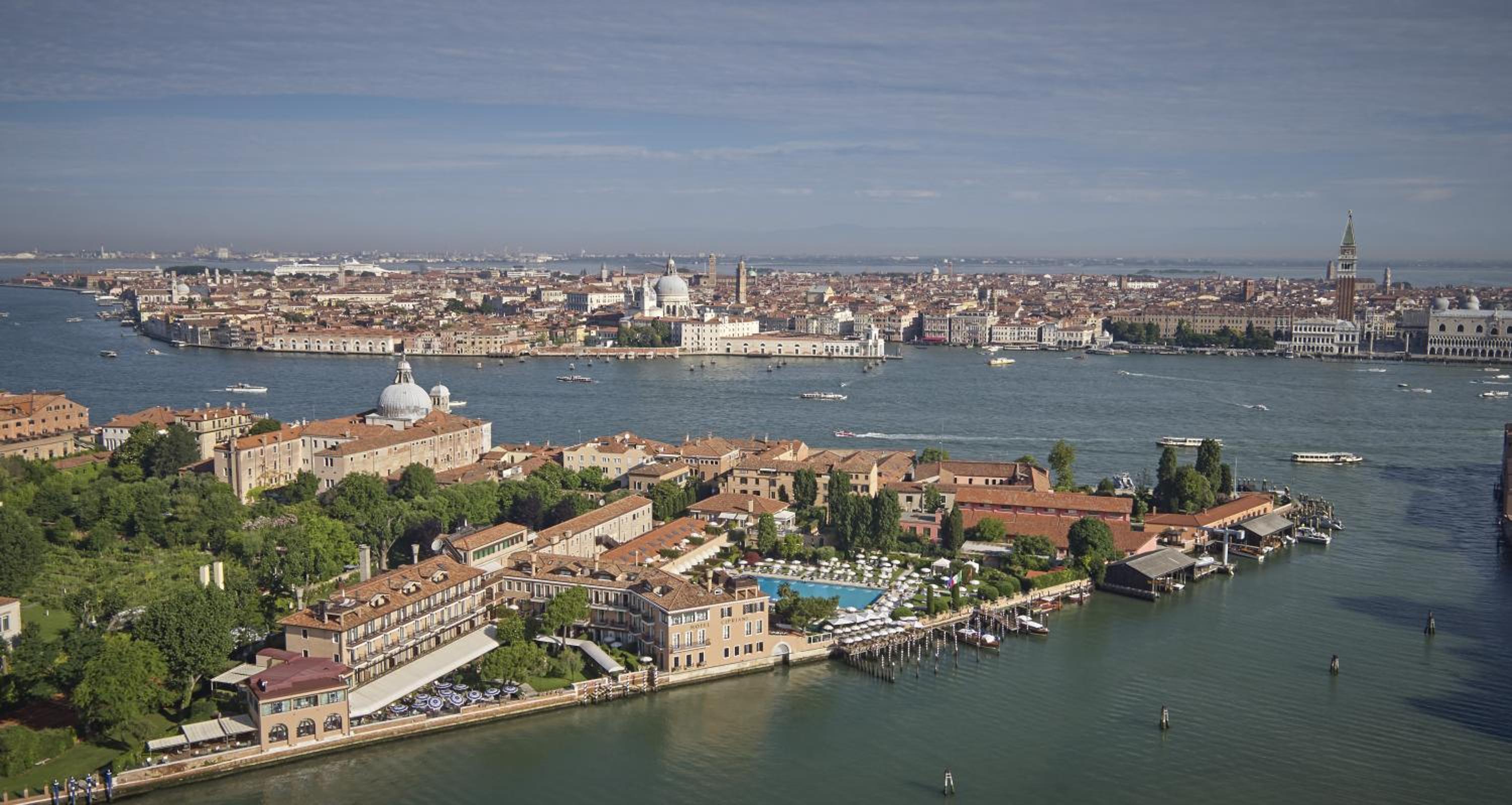
The building itself avoids the heavy, gilded grandiosity of the palazzos across the water. It is a low-slung, terracotta-tiled structure that feels more like an expansive country manor than an urban hotel. Stepping onto the wooden dock, you are met with the scent of saltwater and jasmine rather than the claustrophobia of the narrow calle. The lobby is understated, focusing on marble and polished timber, where the service is immediate and personal. There is no standing in line; instead, you are ushered toward a terrace or a soft chair, where a drink appears before you have even considered the logistics of your luggage.
An island sanctuary on Giudecca
Location is the defining characteristic of this property, and it acts as a filter for the type of guest it attracts. Situated on the eastern tip of Giudecca, the hotel occupies a space that feels detached from the rest of the archipelago. While the hotel is technically part of the city, it functions as an autonomous estate. The grounds are an anomaly in a city built on water, consisting of lush gardens, hidden vineyards, and winding paths that would be impossible to find in the dense districts of Cannaregio or San Polo. It is the only place in the city where you can genuinely lose sight of a building and see only greenery.
The trade-off for this isolation is that every excursion requires a boat journey. While the hotel operates a free 24-hour shuttle that runs every few minutes, guests must be comfortable with the rhythm of the water. You cannot simply step out of the door to find a local cafe or a pharmacy; you are committed to the island life. For those seeking the frantic energy of the Rialto at dawn, this may feel restrictive. However, for those returning from a day of sightseeing, the sight of the Cipriani launch waiting at the pier is a welcome sight, representing an escape from the intensity of the Venetian mainland.
Traditional interiors and lagoon vistas
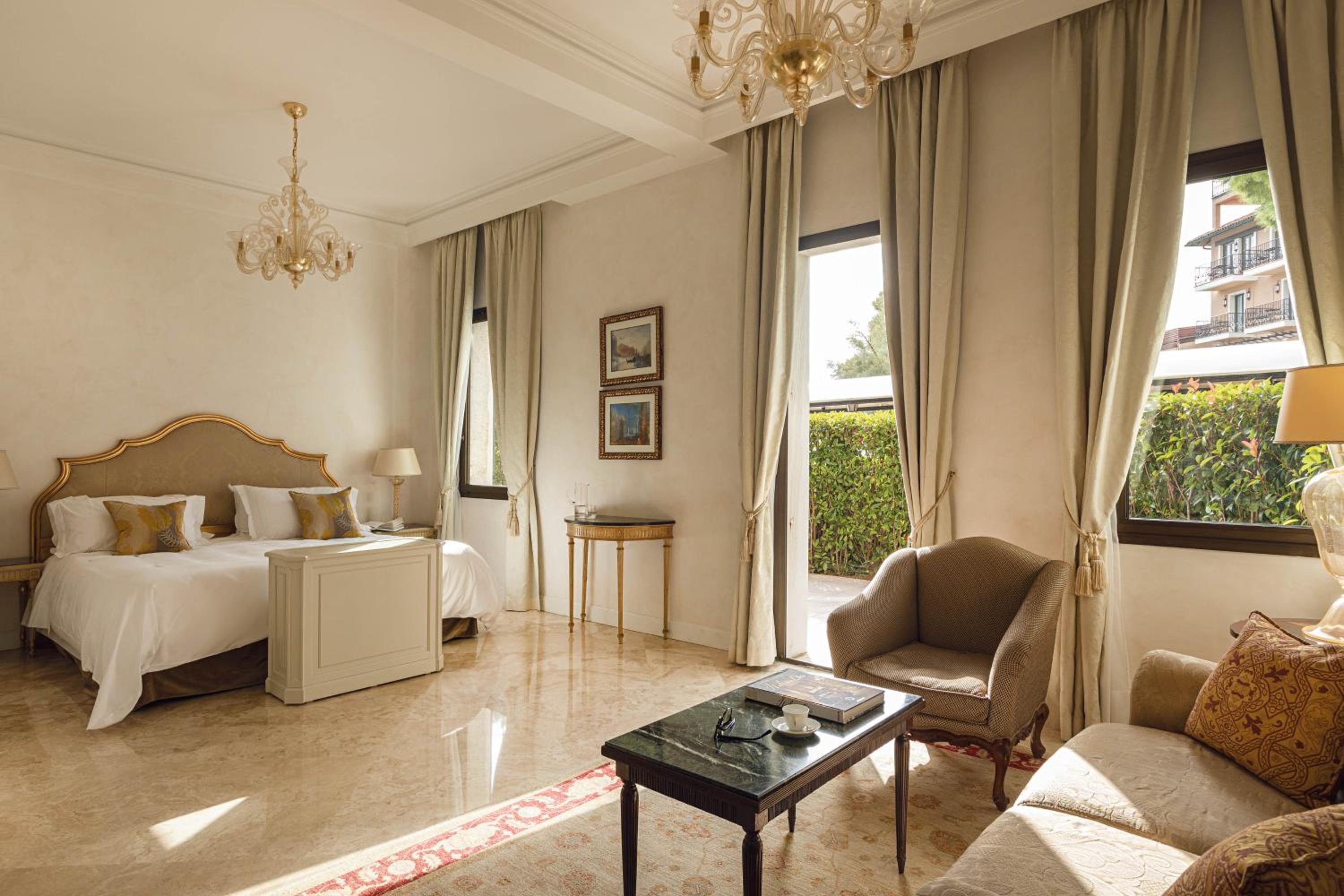
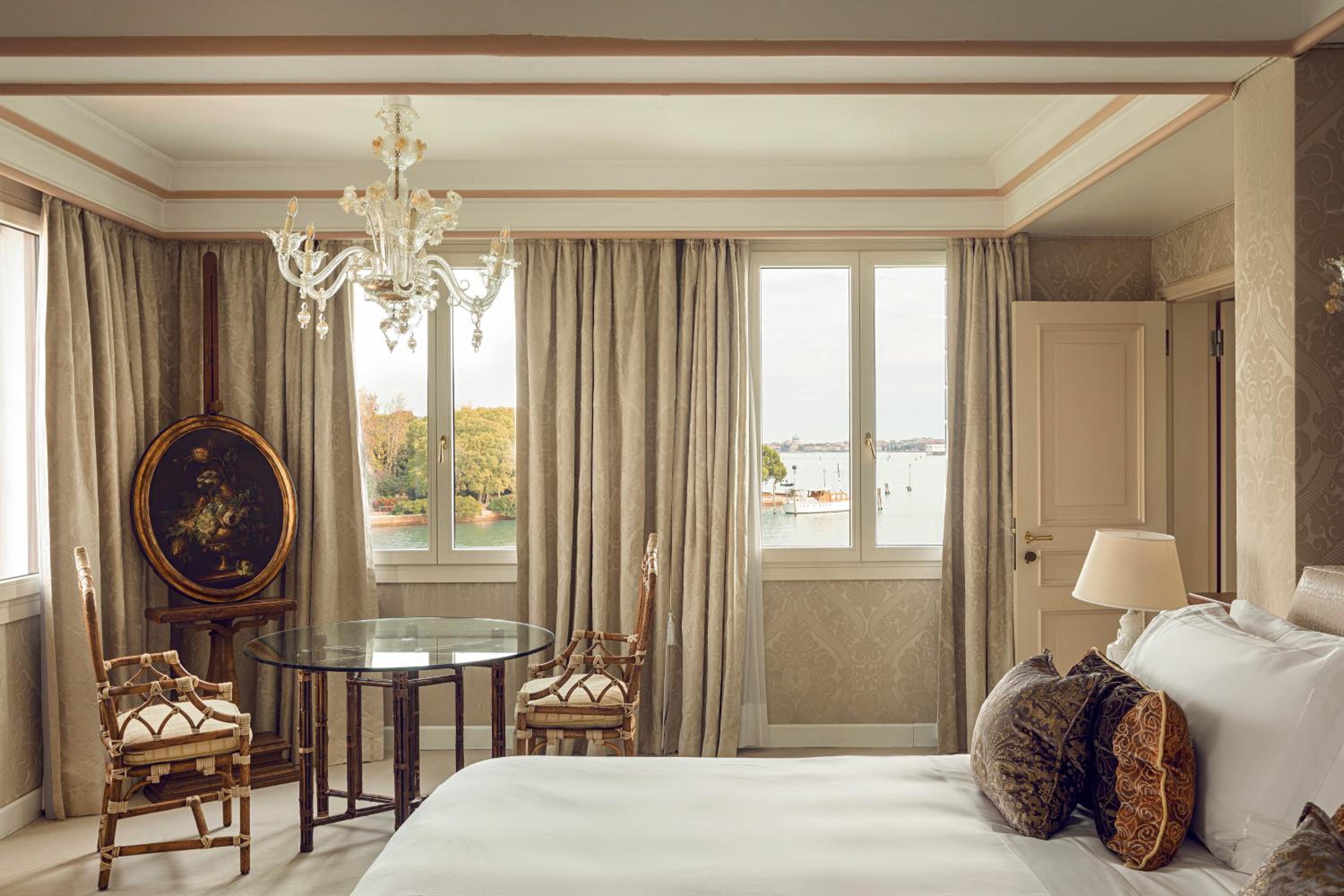
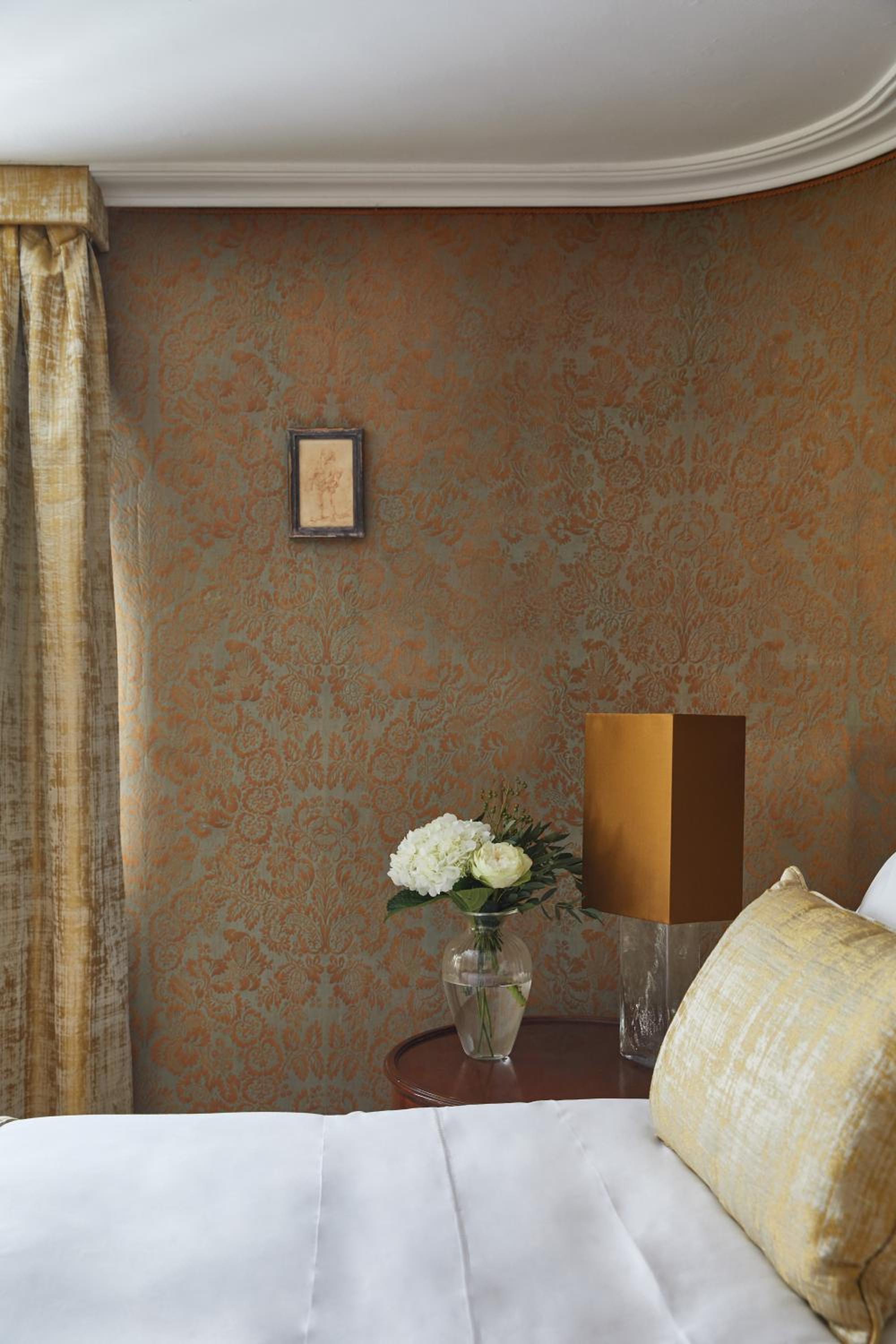
The accommodation is divided between the main building and the Palazzo Vendramin, a 15th-century residence linked by a garden path. The aesthetic is unashamedly traditional, leaning heavily on Venetian craftsmanship that has remained consistent for decades. Expect to find Fortuny fabrics, heavy silk wall coverings, and intricate Murano glass light fixtures. While some modernists might find the decor a little anchored in the past, the quality of the materials is indisputable. The rooms have been refreshed to ensure modern comforts, such as high-speed connectivity and silent air conditioning, are present without disrupting the classical atmosphere.
Choosing the right room category is essential here. While the garden-view rooms offer a peaceful outlook over the manicured lawns and cypress trees, the lagoon-view rooms are the ones that justify the premium. There is a specific magic in watching the vaporettos and traditional fishing boats pass by your window as the sun sets over the Venetian skyline. The suites often come with private balconies or terraces, providing a secluded vantage point to watch the city across the water without having to share it with a single other person. The marble bathrooms are stocked with high-end amenities, and the housekeeping service is invisible yet meticulous.
The legendary saltwater pool
In a city where space is the ultimate luxury, the swimming pool at the Cipriani is a genuine architectural feat. It is an Olympic-length, heated saltwater pool that serves as the social heart of the hotel during the summer months. Surrounded by white sun loungers and attentive staff, it provides a resort-like atmosphere that is almost unheard of in Venice. The pool was allegedly built to an incorrect scale due to a misunderstanding of measurements, resulting in a size that far exceeds anything else in the city. It remains one of the few places in Venice where you can exercise properly or simply float while listening to the distant bells of San Giorgio Maggiore.
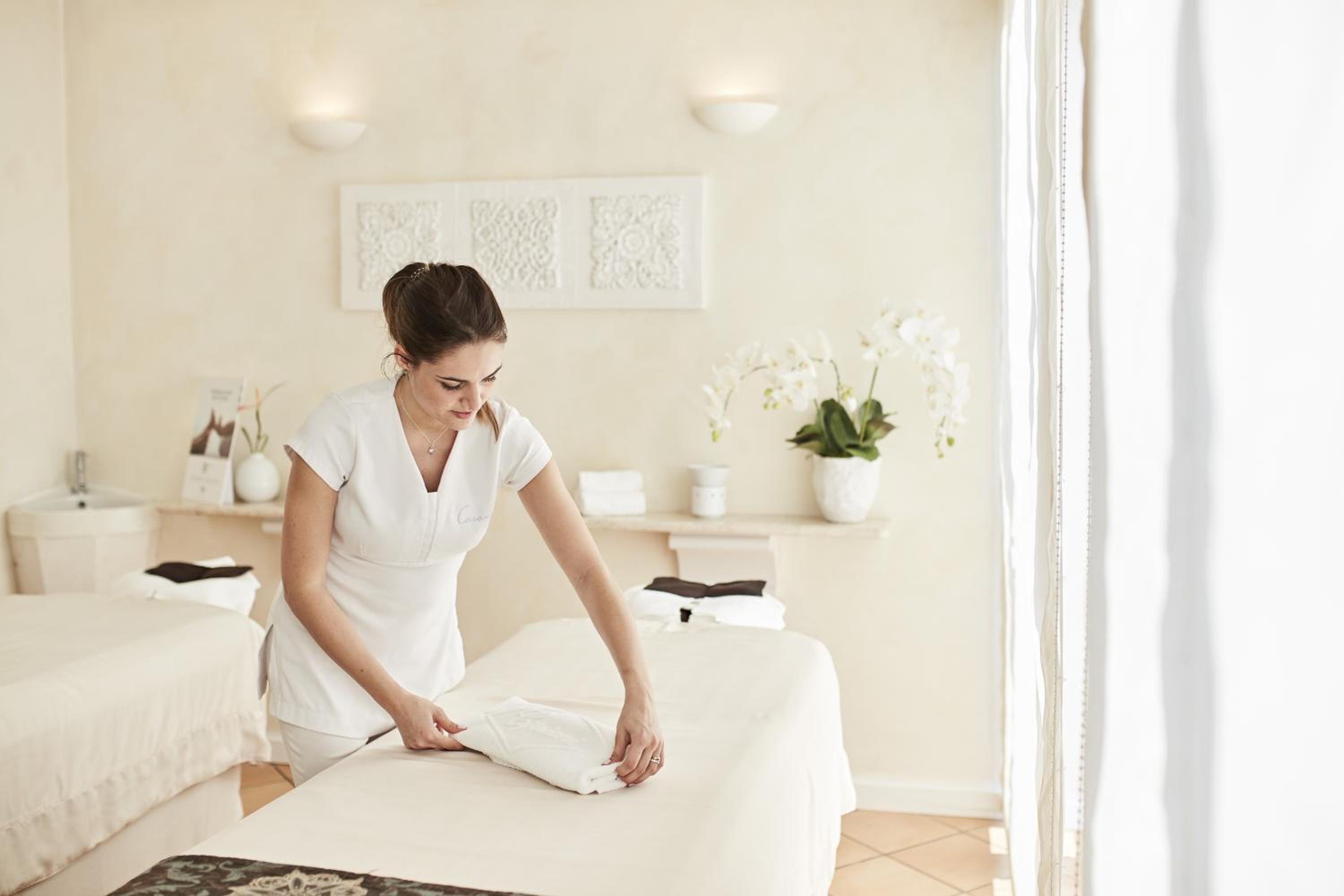
The surrounding gardens offer a secondary layer of relaxation. Unlike the cramped courtyard gardens of most Venetian hotels, these are expansive enough to feature a red-clay tennis court and several secluded seating areas where guests can read in total privacy. The spa facilities, while not as sprawling as the outdoor areas, offer a range of treatments that lean into the botanical theme of the gardens. Whether you are recovering from the physical toll of walking over Venice's many bridges or simply hiding from the midday sun, the facilities provide a level of physical space that justifies the hotel's reputation as a sanctuary.
Dining from Cip’s Club to Oro
Gastronomy at the hotel ranges from casual waterside dining to the high-pressure precision of fine dining. Cip’s Club is perhaps the most famous of the venues, situated on a wooden deck that juts out over the water. It offers a direct, panoramic view of St. Mark's Square, making it one of the most coveted dinner reservations in the city. The menu is classic Italian—fresh pasta, grilled seafood, and carpaccio—served with a level of efficiency that suggests they know exactly how popular their view is. It is the kind of place where you find yourself booking a second night just to experience the lighting as the city across the water begins to glow.
For a more formal experience, the Michelin-starred Oro provides a sophisticated evening. The dining room, designed by Adam Tihany, features a golden ceiling that reflects the light of the lagoon, creating a shimmering, ethereal environment. The cuisine here is more experimental, taking traditional Venetian ingredients and elevating them with modern techniques. However, for many, the highlight of the stay is the breakfast on the terrace. Watching the lagoon wake up while being served high-quality pastries, local cheeses, and perfectly made coffee is a slow, indulgent process that sets the tone for a day of relaxed exploration.
Service with a Venetian soul
The service at the Cipriani is often described as old-school, but that does not mean it is stiff or formal. There is a genuine warmth to the staff, many of whom have worked at the property for decades. They possess an encyclopedic knowledge of the city and a remarkable ability to remember the specific preferences of returning guests. This is the kind of hotel where the bartenders at the Gabbiano Bar know exactly how you like your Negroni after your first visit, and the concierge can secure a table at a local trattoria that hasn't seen a tourist in years.
This level of attentiveness extends to the smaller details. When you return to the hotel after a day in the city, the transition from the boat to your room is seamless, with staff anticipating your needs before you voice them. It creates an atmosphere where you feel looked after rather than managed. For families, this translates into a surprisingly welcoming environment for children, with staff who are adept at making younger guests feel included without compromising the quiet dignity of the communal spaces. It is a masterclass in hospitality that justifies the significant price point.
Suitability for different travellers
This is not necessarily the hotel for a first-time visitor who wants to tick off every museum and church on a packed itinerary. The geographical separation of Giudecca means that you are always one step removed from the action. If your goal is to be in the middle of the bustle, you may find the constant boat trips a nuisance. However, for a second or third visit to Venice, when the crowds of the Rialto have lost their charm and you are looking for a place to actually relax, the Cipriani is unrivalled. It caters perfectly to couples seeking a romantic retreat and to travellers who value privacy above all else.
Families also find the hotel more accommodating than the typical Venetian palazzo. The presence of the pool and the gardens gives children a place to burn off energy, which is a rare commodity in a city made of stone and water. The hotel manages to balance these different demographics with ease; the grounds are large enough that those seeking silence can find it, while families can enjoy the facilities without feeling they are intruding on the peace of others. It is a versatile property that adapts to the pace of the guest, rather than forcing a specific lifestyle upon them.
The final verdict on value and timing
The Hotel Cipriani is an expensive undertaking, with food and drink pricing that sits at the very top of the Venetian range. A stay here is an investment in comfort and exclusion. To get the best value, timing is everything. The hotel is closed for a portion of the winter, which concentrates demand into the spring and autumn months. Rates are at their most accessible in late March, just as the season opens, and again in early November before the winter closure. During these shoulder periods, you can often find rooms for significantly less than the peak summer rates, and the city itself is far more pleasant to navigate.
Avoiding the peak of the Carnevale and the opening weekends of the Biennale is also advisable for those looking for a quieter experience and better rates. In summary, the Cipriani remains the definitive Venetian flagship for those who want to experience the city without being consumed by it. It offers a unique combination of garden space, a legendary pool, and a level of service that is increasingly hard to find. While the location on Giudecca requires a bit more planning for your daily outings, the reward is a level of peace and quiet that is the ultimate luxury in a city as loud and crowded as Venice.
Rates are lowest in late March and early November either side of the season; Biennale weekends and Carnevale are the peaks to avoid.