Hotel de Russie review: Rome's secret garden between Popolo and the Spanish Steps
Via del Babuino, Rome — three nights in a garden-view room
FlexStays Editorial · 8 September 2021 · 9 min read · Our score 9.3/10
Rocco Forte's Roman flagship hides terraced gardens behind a plain Babuino facade. It is the most useful location in the historic centre.
What we liked
- Two minutes from Piazza del Popolo and ten from the Spanish Steps
- Terraced gardens for lunch, drinks and escaping the afternoon heat
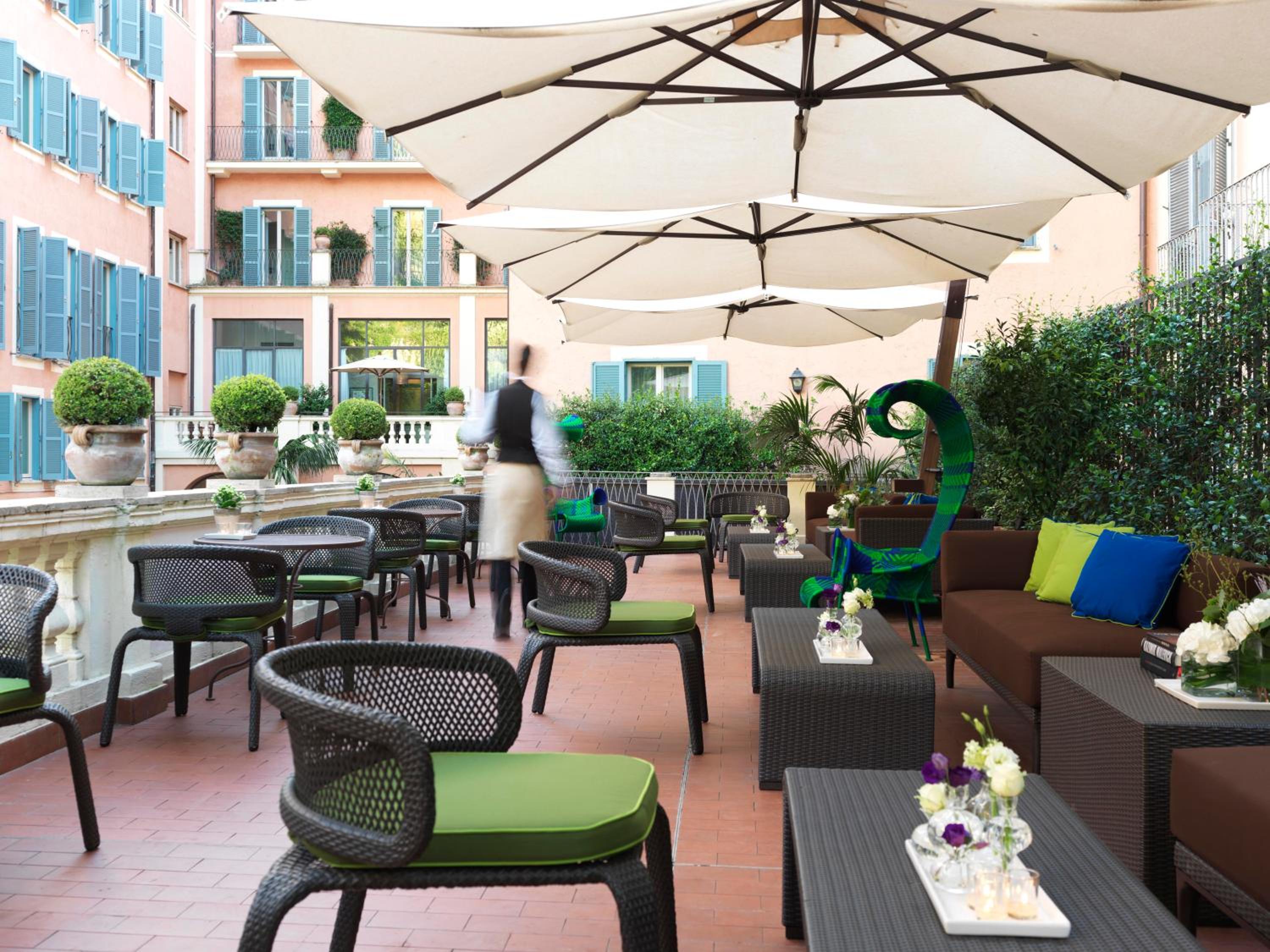
- Stravinskij Bar is one of Rome's best outdoor drinks
Worth knowing
- Standard rooms facing Via del Babuino are the least interesting
- Spa is small relative to the room rate
- Summer garden tables book out with non-residents
The discreet allure of Via del Babuino
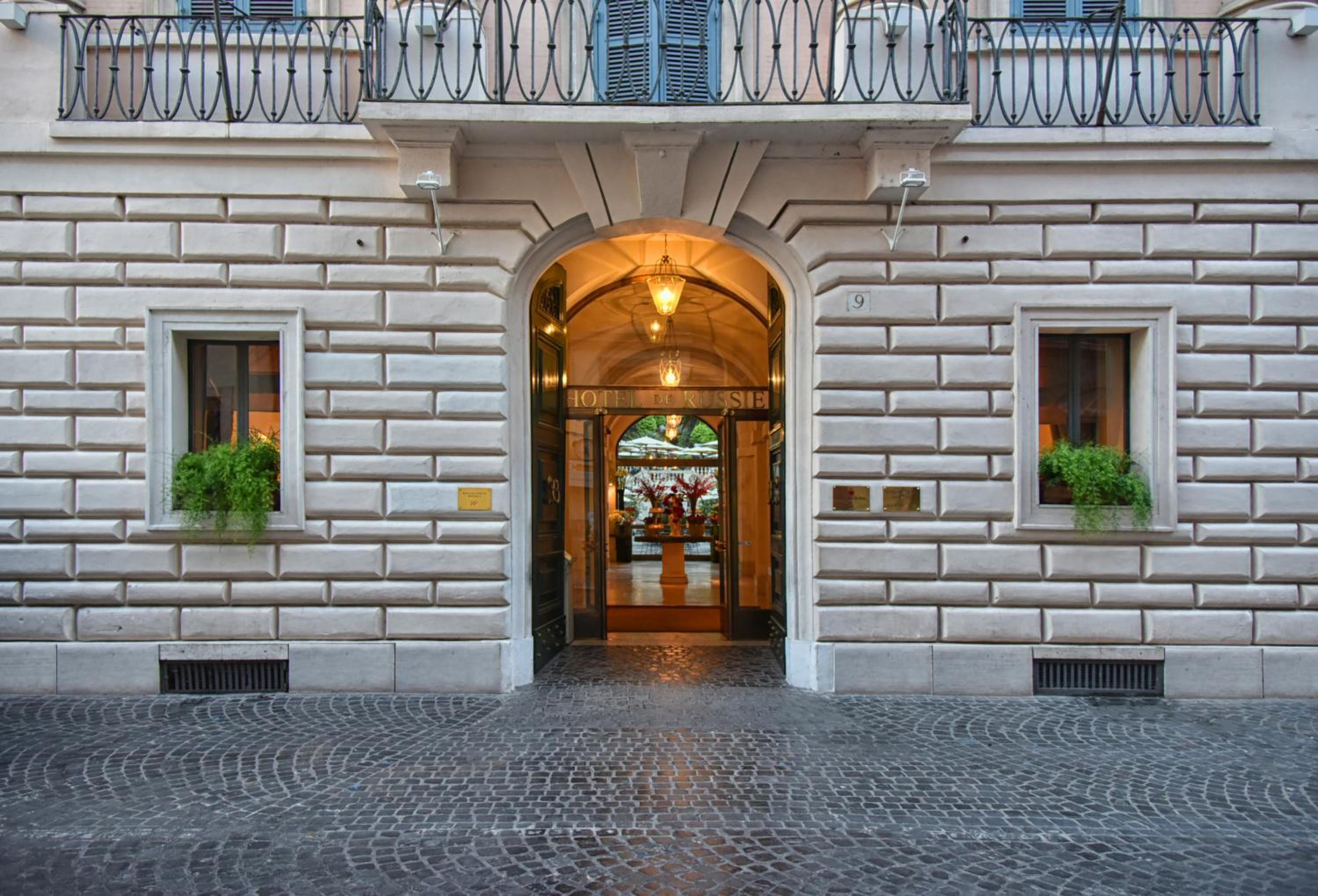
Positioned on the prestigious Via del Babuino, the Rocco Forte Hotel de Russie occupies a peculiar space in the Roman consciousness. From the pavement, it presents as a disciplined, somewhat austere townhouse, lacking the neon flourishes or grand porticos of its rivals. It sits precisely between the monumental scale of Piazza del Popolo and the high-fashion frenzy of the Spanish Steps, offering a location that is arguably the most strategic in the historic centre. For those arriving in the capital with a heavy itinerary, this is the ultimate base; you are within striking distance of the city's finest boutiques and the Villa Borghese gardens without ever needing to rely on the city’s notoriously fickle taxi network.
The true genius of the building is not found on the street level but in what lies behind the lobby. The hotel hides a vast, verdant secret: a series of 18th-century terraced gardens that climb steeply towards the Pincio. This vertical park, designed by Giuseppe Valadier, transforms the property from a mere luxury hotel into an urban sanctuary. On a stifling Roman afternoon when the heat radiates off the cobblestones, the garden serves as a private lung for the city. It is a rare architectural feat where the outdoor space dictates the entire atmosphere of the interior, creating a sense of scale and peace that is almost impossible to find elsewhere in the congested Tridente district.
Refined interiors and the garden-view premium
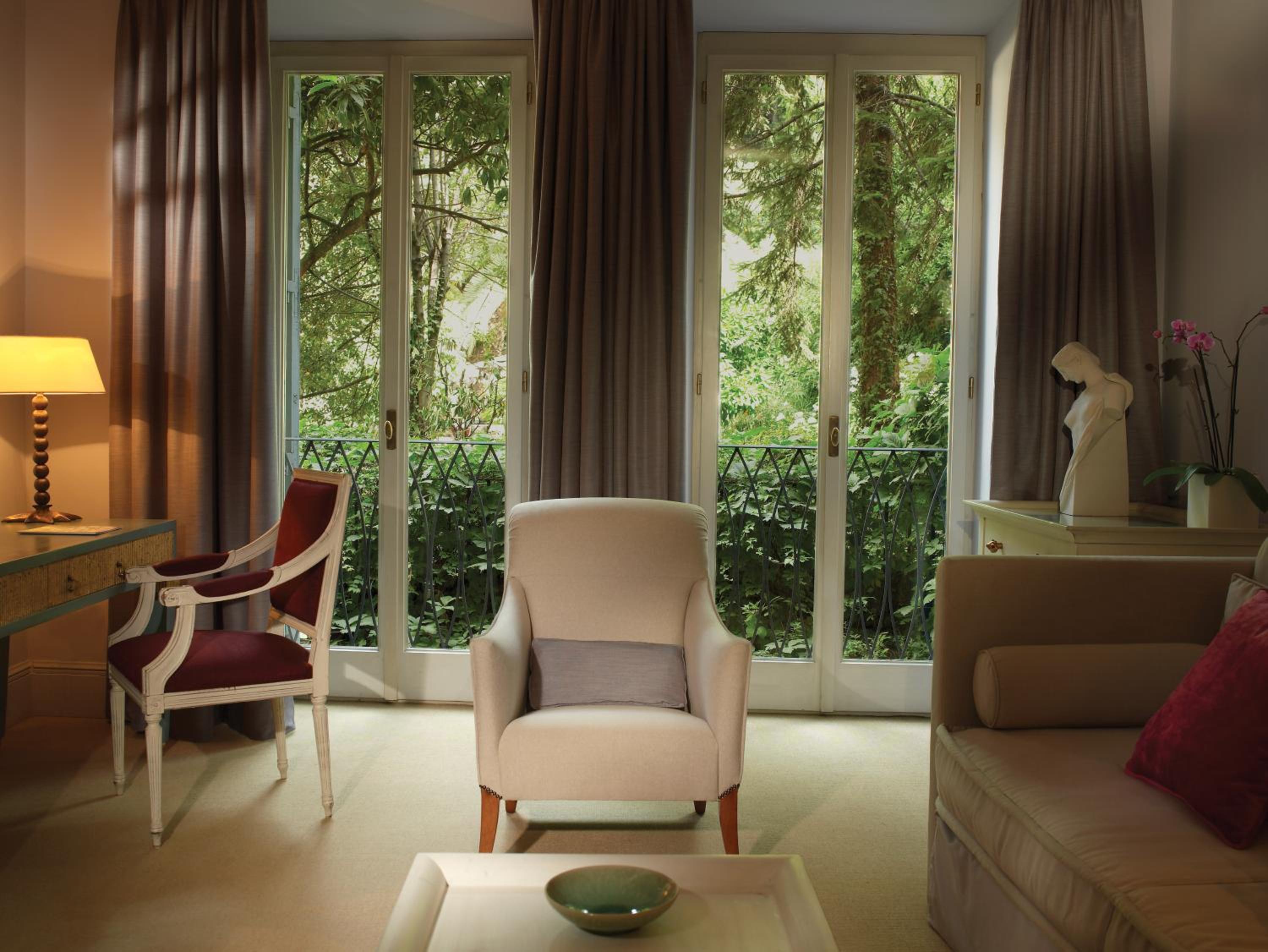
The accommodation at the Hotel de Russie avoids the heavy, gilded cliches of traditional Roman hospitality. Instead, the aesthetic leans into a restrained Italian contemporary style, characterised by a muted palette of greens, blues, and greys that echo the colours of the terraces outside. Standard rooms facing Via del Babuino are perfectly functional and finished to an exceptionally high standard, but they lack the transformative quality of those overlooking the greenery. If your budget allows, the garden-facing rooms are the only sensible choice. Not only do they provide a superior visual experience, but they also offer a level of silence that is virtually unheard of in central Rome, where motorini noise usually persists until the early hours.
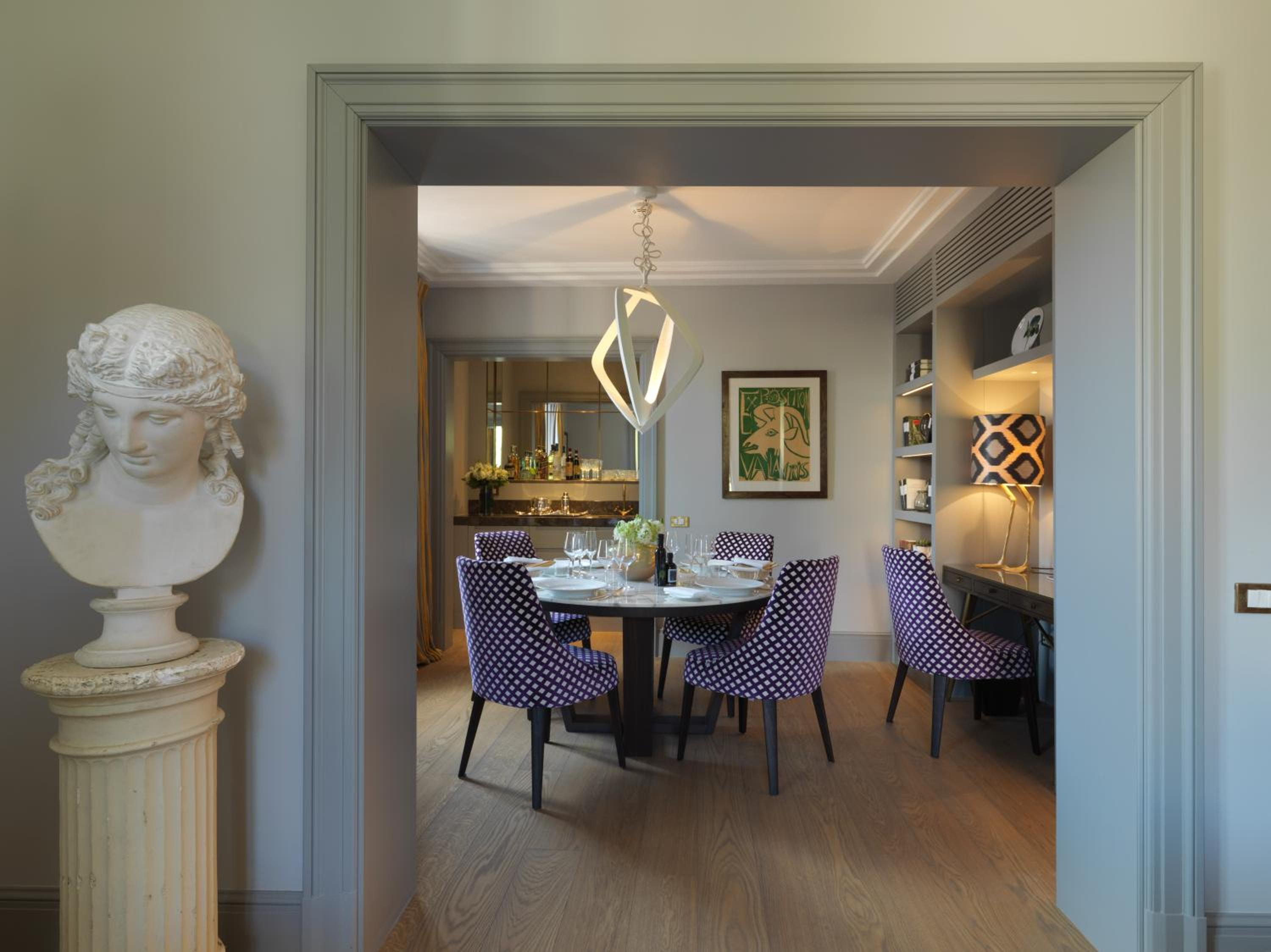
The physical comforts here are beyond reproach, with beds that rank among the most supportive in the Forte portfolio. Bathrooms are clad in marble and mosaic, featuring powerful showers and a suite of high-end amenities that feel genuinely indulgent. Storage is ample, a nod to the American and British travellers who tend to use the hotel for extended stays. The design is thoughtful, focusing on tactile fabrics and bespoke furniture that feels permanent rather than trendy. It is a masterclass in how to modernize a historic building without stripping away its soul, ensuring that the rooms remain a calm counterpoint to the vibrant energy of the public spaces below.
Social gravity at the Stravinskij Bar
The Stravinskij Bar is not merely a hotel lounge; it is one of the most significant social hubs in Rome. Set on a broad stone terrace at the foot of the gardens, it serves as the city’s most prestigious outdoor drawing room. From midday until well past midnight, the space is occupied by a mix of international guests and the Roman elite, all drawn by the exceptional cocktail list and the sheer theatre of the setting. The service here is brisk and polished, managed by a team that understands the nuances of high-volume luxury service. Even if you are not staying at the property, securing a table here is a rite of passage for any serious visitor to the capital.
However, the popularity of the bar presents a minor friction for residents. During the peak summer months, the most desirable tables in the garden book out well in advance with non-residents, meaning guests must plan ahead if they want to ensure a spot for an evening aperitivo. The signature cocktails are inventive but grounded in Italian tradition, often utilising herbs and citrus grown on the hotel grounds. While the prices reflect the Stravinskij’s status as a premier destination, the quality of the ingredients and the unparalleled atmosphere of the terraced gardens make it a justifiable expense for those seeking the quintessential Roman evening.
Gastronomy under the orange trees
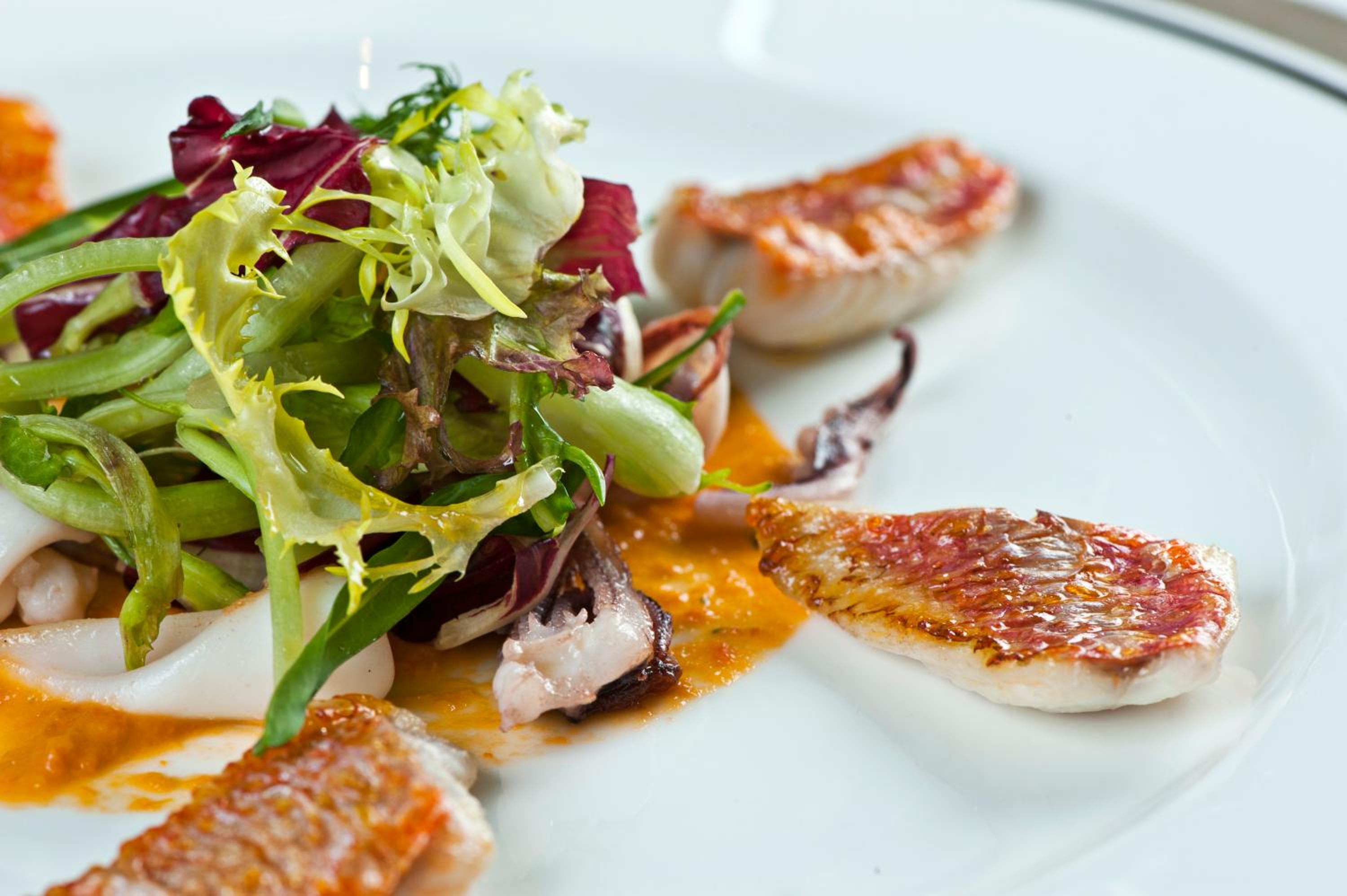
Dining at Le Jardin de Russie offers a similarly elevated experience, focusing on classical Italian flavours interpreted through a modern lens. The restaurant spills out onto a lower terrace, allowing diners to eat amongst the orange trees and ivy-covered walls. The menu prioritises seasonal produce, with a particular emphasis on Roman specialities like cacio e pepe and grilled artichokes, prepared with a lightness that suits the garden setting. Breakfast is a standout event, featuring an extensive buffet of local cheeses, cured meats, and pastries that would satisfy the most demanding epicurean, served in an environment that feels remarkably distant from the morning traffic of the nearby Piazza.
The culinary philosophy here is one of simplicity and execution rather than avant-garde experimentation. It caters to a sophisticated palate that values the provenance of a tomato or the quality of olive oil above all else. For couples, the evening atmosphere is intensely romantic, with subtle lighting illuminating the stone steps and the scent of jasmine drifting through the air. It is the kind of place where lunch can easily stretch into late afternoon, supported by a wine list that highlights the best of the Lazio region alongside heavyweights from Tuscany and Piedmont. The restaurant provides a seamless transition from the heat of the day to the cooling shadows of the evening.
Wellness and the subterranean spa
Beneath the manicured terraces lies the De Russie Spa, a sleek wellness centre that offers a retreat from the sensory overload of the city. The facility includes a hydrotherapy pool, a salt room, and a sauna, all designed with the clean lines and high-end materials synonymous with the Rocco Forte brand. The treatments are excellent, delivered by therapists who possess a deep understanding of holistic wellness and skincare. It is a tranquil space that serves as a necessary antidote to a long day of walking the cobblestones of the Vatican or the Forum, providing a quiet corner to reset and recharge.
If there is a criticism to be levelled, it is that the spa is relatively compact given the hotel's room rate and overall stature. During peak hours, the hydrotherapy area can feel somewhat crowded, and it lacks the sprawling scale of the destination spas found in the city’s outskirts. Nevertheless, for a central Roman hotel, having any form of pool is a significant luxury. The fitness centre is well-equipped with the latest Technogym machinery, catering to those who wish to maintain their routine while travelling. While it may not be the primary reason for booking, the spa provides a vital layer of amenity that rounds out the hotel’s offering as a complete luxury resort within the city walls.
Service and the power of the concierge
The defining characteristic of the Hotel de Russie is undoubtedly its service. There is a level of institutional knowledge here that is rare even in the five-star category. The staff, many of whom have been with the property for decades, possess an uncanny ability to anticipate guest needs before they are articulated. This is most evident at the concierge desk, which remains one of the most powerful in Italy. In a city where the best trattorias and Michelin-starred dining rooms are notoriously difficult to book, the De Russie’s team has a reach that others simply do not. They can secure tables that are ostensibly ‘fully booked’ for other hotels, acting as the ultimate gatekeepers to the city.
This level of attentiveness extends to every department, from the doormen who greet you by name to the housekeeping staff who manage to be invisible yet thorough. There is a lack of pretension in the service that makes the hotel feel welcoming to families as well as corporate travellers and couples. Children are treated with genuine warmth rather than polite tolerance, and the staff are quick to provide recommendations for local gelaterias or parks that are suitable for younger guests. It is this human element, combined with the physical beauty of the property, that fosters such a high rate of returning guests. You are not just paying for a room; you are paying for an entire infrastructure of Roman expertise.
Suitability and the guest experience
The hotel appeals to a broad demographic, but it is particularly suited to those who want to experience Rome on foot. Couples will find the romantic potential of the gardens and the proximity to the Borghese gardens irresistible. For families, the hotel offers interconnecting rooms and a level of space that is hard to come by in the city centre. The atmosphere is professional enough for business travellers who need to be near the corporate offices of the Prati district, yet relaxed enough for those on a once-in-a-lifetime holiday. It manages to be both a social crossroads and a private hideaway, a duality that few other properties in the capital have successfully mastered.
Getting to the hotel is straightforward, as it sits outside the most restrictive traffic zones while still being fundamentally central. A private car from Fiumicino airport typically takes forty-five minutes, though the hotel’s location near the Flaminio metro station provides an alternative for those travelling light. Once you arrive, the need for motorised transport effectively vanishes. The ability to walk to the Pantheon, the Trevi Fountain, and the high-end boutiques of Via Condotti in under fifteen minutes is a luxury that cannot be overstated. It allows for a more spontaneous way of seeing the city, where you can dip into a museum and return to the hotel for a quick rest before heading out again for dinner.
Verdict on value and when to visit
The Hotel de Russie is a premium investment, and its pricing reflects its status as a market leader. To get the best value, timing is critical. Rome is at its most expensive and crowded during the spring months of April and May, as well as the golden month of October. During these periods, you are paying a significant premium for the climate. Conversely, the city is cheapest in January and February, when the air is crisp and the crowds have vanished. The first half of August also sees a price dip as the locals flee to the coast, though the heat can be formidable. Shifting a planned stay from the peak of May to the end of February can often save enough to fund several exceptional dinners at the city’s top restaurants.
Ultimately, the combination of the Valadier-designed gardens, the peerless location, and the authoritative service makes the Hotel de Russie a benchmark for Roman hospitality. While the standard street-facing rooms and the modest spa size are minor points of contention, they do little to diminish the overall experience. It remains the most useful and atmospheric choice for a high-end trip to the capital. For those who value the ability to disappear into a private park after a morning of sightseeing, there is simply no other hotel in Rome that offers the same degree of central serenity. It is an enduring classic that continues to justify its reputation year after year.
Rome is cheapest in January, February and the first half of August when locals leave. April, May and October are the premium months.