Le Bristol Paris review: the grande dame that still feels lived in
Rue du Faubourg Saint-Honoré, Paris — three nights in a Deluxe Room
FlexStays Editorial · 2 November 2020 · 8 min read · Our score 9.4/10
Le Bristol has the rooftop pool, the garden and the three-star kitchen — but its real advantage is that it never feels like a museum.
What we liked
- A large interior garden you can eat lunch in, in the 8th arrondissement
- Rooftop pool with a view over the zinc roofs
- Walkable to the Champs-Élysées, Concorde and the Tuileries
Worth knowing
- Entry-level rooms are the weakest part of the offer
- Dining prices assume an expense account
- The neighbourhood is quiet at night — deliberately so
Historical foundations on the Faubourg Saint-Honoré
Le Bristol Paris opened its doors in 1925, and unlike many of its contemporaries that have undergone heavy-handed modernist revisions, it retains a floor plan that prioritises space and character. The layout is a refreshing departure from the cookie-cutter corridors of contemporary luxury developments. Here, wide hallways lead to an architectural oddity for the dense 8th arrondissement: a massive courtyard garden spanning 1,200 square metres. This green lung provides a focal point for the entire property, ensuring that the heavy stone walls of the city feel a world away once you pass through the discreet entrance.
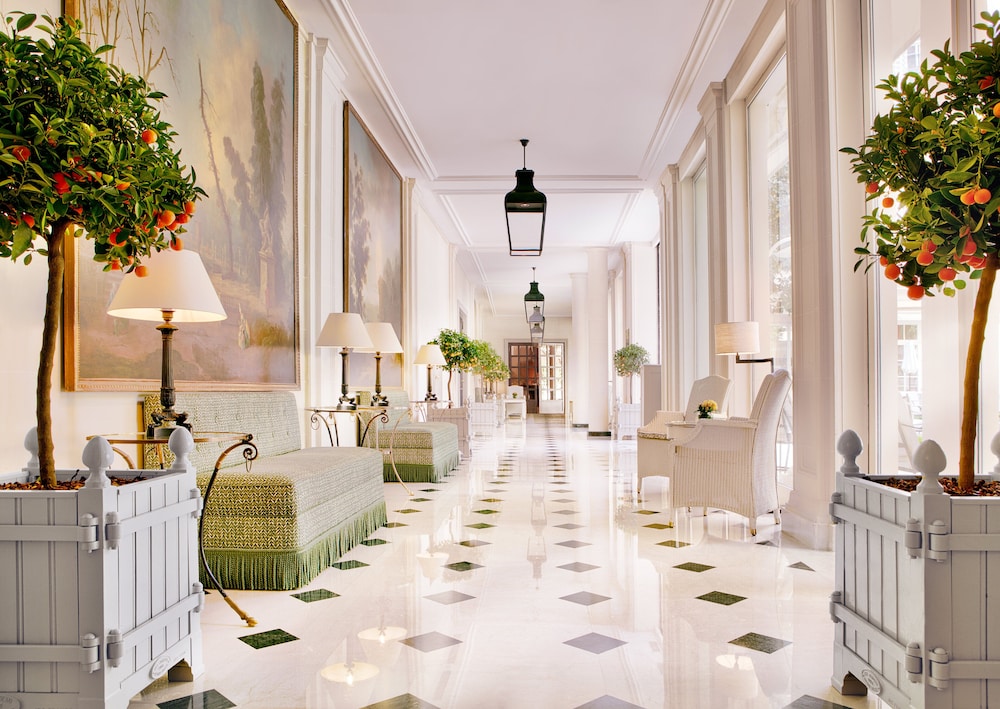
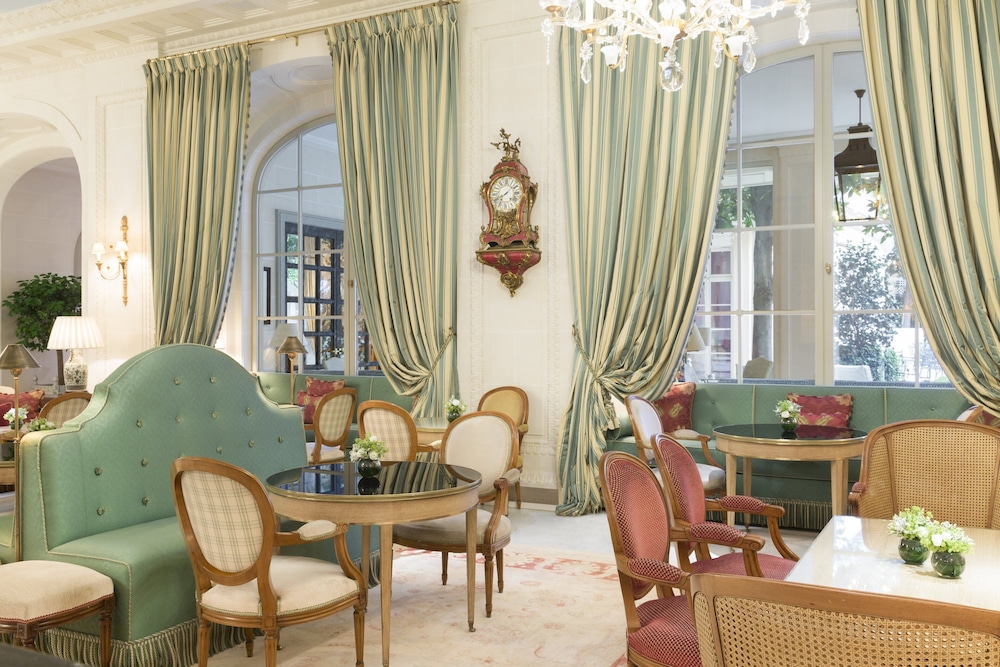
The building itself served as an embassy during the Second World War, a history that contributes to its current sense of sanctuary and resilience. Because it has remained under independent or family ownership for much of its life, there is a lack of corporate sterility. Instead, guests find a series of salons and sitting rooms filled with authentic Louis XV and XVI furniture, 18th-century tapestries, and enough floral arrangements to stock a small countryside manor. It feels less like a commercial enterprise and more like a private residence that happens to have one of the finest kitchens in Europe.
A garden sanctuary in the city centre
The differentiator at Le Bristol is undoubtedly the garden. In a city where square footage is the ultimate currency, dedicating over a thousand square metres to roses, manicured hedges, and silence is a bold statement of intent. Very few Paris hotels can offer the opportunity to eat lunch outdoors, completely insulated from the roar of traffic, while remaining just five minutes from the Place de la Concorde. During the warmer months, this space functions as the heart of the hotel, where the distinction between indoors and outdoors blurs through the large windows of the surrounding galleries.
Walking through these grounds provides a sense of peace that is rare in the 8th arrondissement. While other palace hotels rely on grand lobbies and gilded ceilings to impress, Le Bristol relies on the rustle of leaves and the ability to breathe. It is a space for slow mornings with a newspaper or a quiet glass of wine before dinner. The architecture of the garden also ensures that most of the interior-facing rooms enjoy a view of greenery and natural light, a luxury that many other five-star properties in the neighbourhood simply cannot match due to their tighter, more traditional urban footprints.
Living quarters and the suite hierarchy
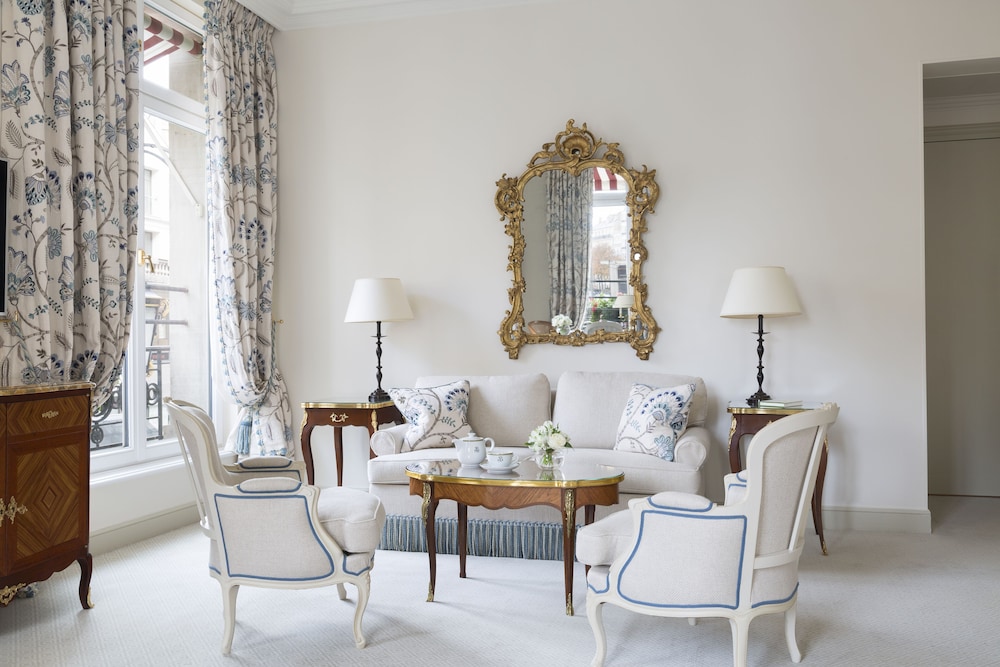
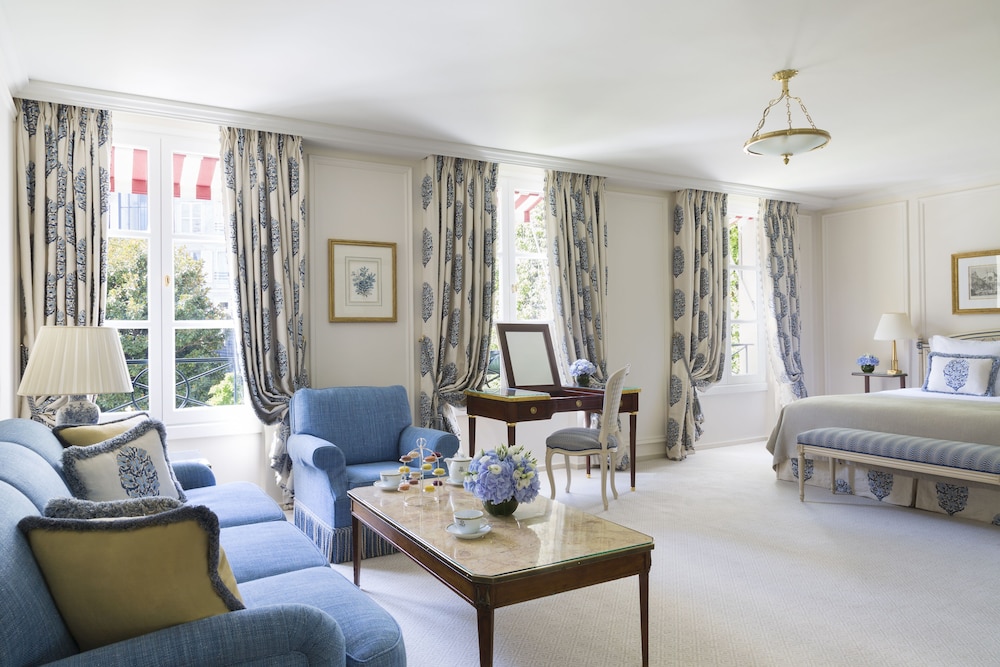
Accommodations here vary far more in shape and temperament than one might expect. The Deluxe rooms, where I spent three nights, are generous by the notoriously cramped standards of Paris. They feature proper marble bathrooms, substantial storage space that accommodates actual luggage, and beds that are among the most comfortable in the city. The decor leans towards classical French elegance—soft pastels, high-quality silks, and period-appropriate mouldings. It is a style that avoids the trap of looking dated by leaning heavily into a timeless, well-maintained version of traditionalism.
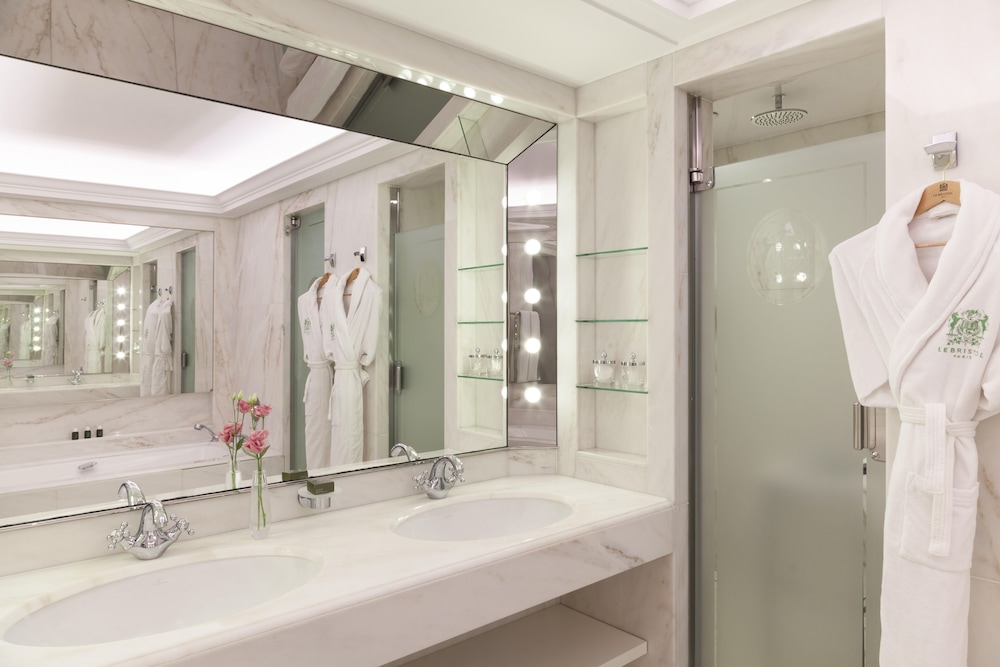
However, potential guests must do their research before booking, as the variation in room types is significant. The entry-level Classic rooms are the weakest part of the overall offer; while they share the same high-end finishes, they lack the breathing room that makes the higher categories so attractive. If the budget allows, pushing for a Deluxe room or a Junior Suite is highly recommended to fully appreciate the hotel’s sense of scale. The bathrooms are particularly noteworthy, featuring vast slabs of white marble, twin vanities, and separate soaking tubs that serve as a welcome refuge after a day spent walking the Tuileries.
Gastronomy from three stars to brasserie level
Dining at Le Bristol is headed by the formidable Epicure, a three-Michelin-starred institution that occupies a bright, glass-walled room overlooking the garden. It is a formal affair where the service is precise and the prices are uncompromising, clearly designed for those with significant expense accounts or a reason to celebrate. The cooking is unapologetically French and technically flawless, serving as a reminder of why Paris remains the global centre of fine dining. Breakfast is also served here or in the adjacent room, and while it is entirely à la carte and priced at a premium, it is worth including in your rate if the option is available at booking.
For a more relaxed experience, 114 Faubourg serves as the hotel’s livelier brasserie. It possesses its own Michelin star but lacks the stiff formality of Epicure, making it the better choice for an everyday meal. The atmosphere here is buzzy and distinctly Parisian, attracting a local crowd from the surrounding galleries and fashion houses. The menu focuses on elevated bistro classics that are executed with a level of refinement you would expect from the hotel’s wider culinary team. Whether you are opting for the full gastronomic experience or a quicker lunch at the brasserie, the quality of ingredients is consistently exceptional across the board.
The rooftop pool and wellness facilities
One of the hotel’s most celebrated features is the swimming pool, located on the sixth floor and designed to resemble the deck of a classic yacht. Wrapped in teak wood and surrounded by large windows, it offers a striking view over the zinc roofs of Paris and towards the Sacré-Cœur. It is a unique architectural feature in a city where most hotel pools are tucked away in dark basements. On a rainy afternoon, there is no better place to be than swimming laps in a heated pool while looking out over the grey, romantic skyline of the capital, followed by a session in the adjoining steam room.
The spa and wellness facilities round out the leisure offer, providing a range of treatments that cater to the tired traveller. The service in the spa mirrors the rest of the hotel—attentive without being suffocating. While the pool is the star of the show for its views and nautical charm, the overall wellness area is well-maintained and provides a quiet retreat from the busy shopping streets below. Families will find the pool particularly useful for entertaining children, a rarity in a city where luxury hotels often feel like they were designed solely for adults in hushed tones.
Service with a human touch
Where Le Bristol truly pulls ahead of its palace-grade competitors is in the warmth of its service. In many of the city’s top-tier hotels, the staff can occasionally feel like they are performing a role in a theatre production, leading to an atmosphere that is efficient but somewhat cold. At Le Bristol, the staff tend to talk to you rather than at you. There is a genuine friendliness that makes the property feel lived-in and welcoming rather than like a museum of high-end furniture. This approachability is a key reason why the hotel enjoys such a high rate of returning guests.
From the concierges who possess an encyclopaedic knowledge of the local art scene to the housekeeping staff who seem to anticipate your needs without being seen, the service is seamless. Even the resident feline, Fa-Raon, who can often be found lounging on a Louis XV chair in the lobby, contributes to the feeling that this is a home first and a hotel second. This human element softens the grandiosity of the building, ensuring that even first-time guests feel like they belong in these storied halls. It is a difficult balance to strike, but one that the management here has mastered over decades.
Exploring the 8th arrondissement
The location on Rue du Faubourg Saint-Honoré places guests in the heart of the French establishment. You are within easy walking distance of the Champs-Élysées, the Place de la Concorde, and the Tuileries Garden. This is a neighbourhood of embassies, high-end art galleries, and the flagship boutiques of the world’s most famous fashion houses. It is undeniably prestigious and perfectly positioned for those who want to experience the most polished side of Paris. Getting to the hotel is straightforward, with excellent taxi links and proximity to major metro lines, making it a convenient base for exploring further afield.
However, it is worth noting that this neighbourhood is deliberately quiet at night. Once the shops close and the office workers depart, the streets take on a hushed, dignified character. If you are looking for the gritty energy of the Marais or the nightlife of Pigalle, you will not find it here. Instead, you get a peaceful night’s sleep and a safe, clean environment. For many, this is exactly the point of staying in the 8th—to be at the centre of everything during the day, but to have a tranquil place to retreat to when the sun goes down.
Final verdict and when to visit
Le Bristol remains the grande dame of Paris for those who value warmth and personality over cold perfection. While the dining prices definitely assume an expense account and the entry-level rooms can feel slightly modest compared to the grand suites, the overall experience is one of unmatched comfort. The combination of the rooftop pool and the expansive interior garden makes the hotel a pleasure in any weather. It is a property that justifies its price tag not just through its heritage, but through the consistent quality of the hospitality and the unique facilities that its competitors lack.
To get the best value, timing is everything. Paris hotel rates bottom out during the depths of January, early February, and the latter half of August when the city slows down. Conversely, fashion weeks and the peak of June see prices skyrocket. By booking during the shoulder weeks or these quieter periods, the price gap between Le Bristol and a standard five-star hotel narrows considerably, making the upgrade to palace-level luxury a much more justifiable expense. It is a hotel that continues to set the standard for what a grand Parisian stay should feel like in the modern age.
Paris bottoms out in January, early February and late August. Fashion weeks and June are the expensive stretches.