Mandarin Oriental Bangkok review: 150 years of practice, and it shows
Bang Rak, Bangkok — three nights in an Authors' Wing suite
FlexStays Editorial · 13 July 2021 · 8 min read · Our score 9.4/10
The city's oldest hotel still runs the tightest service operation on the river, with a spa across the water and a lobby that never quite stops moving.
What we liked
- Legendary service culture with very long-serving staff
- Riverside spa and Thai cooking school across the water
- Authors' Wing suites are genuinely characterful
Worth knowing
- River Wing rooms are conventional compared with the historic wing
- The lobby and terrace are busy with non-residents
- Getting to Sukhumvit at rush hour is slow
Historical weight on the Chao Phraya
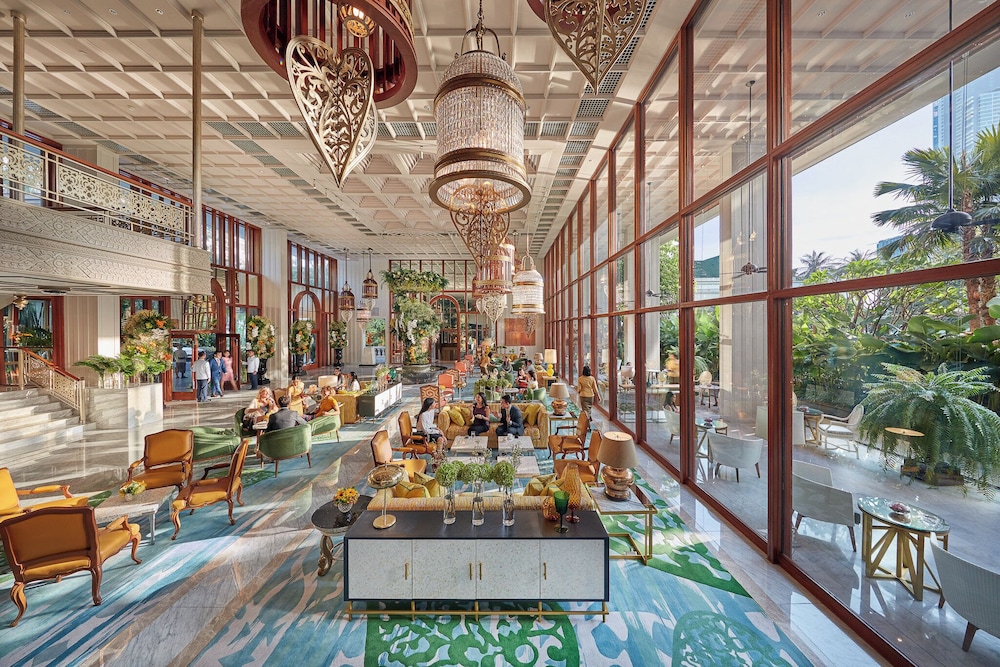
The Mandarin Oriental, Bangkok does not merely sit on the riverbank; it commands it with the weight of a century and a half of history. While newer rivals attempt to replicate heritage through architecture, this property possesses the real thing. The hotel is split between the original 19th-century structure and the taller modern wings, creating a complex that feels like a private campus. The lobby remains a perpetual motion machine of activity, dressed in vast floral displays and silk-clad staff. It is a space that feels genuinely grand without the coldness of a museum, though it is rarely quiet, serving as the central nervous system for both hotel guests and the city's elite who treat the property as their social base.
Walking through the public areas, one notices the layers of renovation that have kept the building sharp without erasing its soul. The Authors' Wing, the white-facade original building, remains the crown jewel of the estate. It houses the famous lounge where afternoon tea has become a definitive Bangkok ritual. While it is undeniably a tourist destination, the quality of the service and the sheer scale of the colonial-era proportions prevent it from feeling like a trap. It is one of the few places in the city where the past feels entirely present, maintained with a level of care that borders on the obsessive.
Life in the Authors' Wing and River Wing
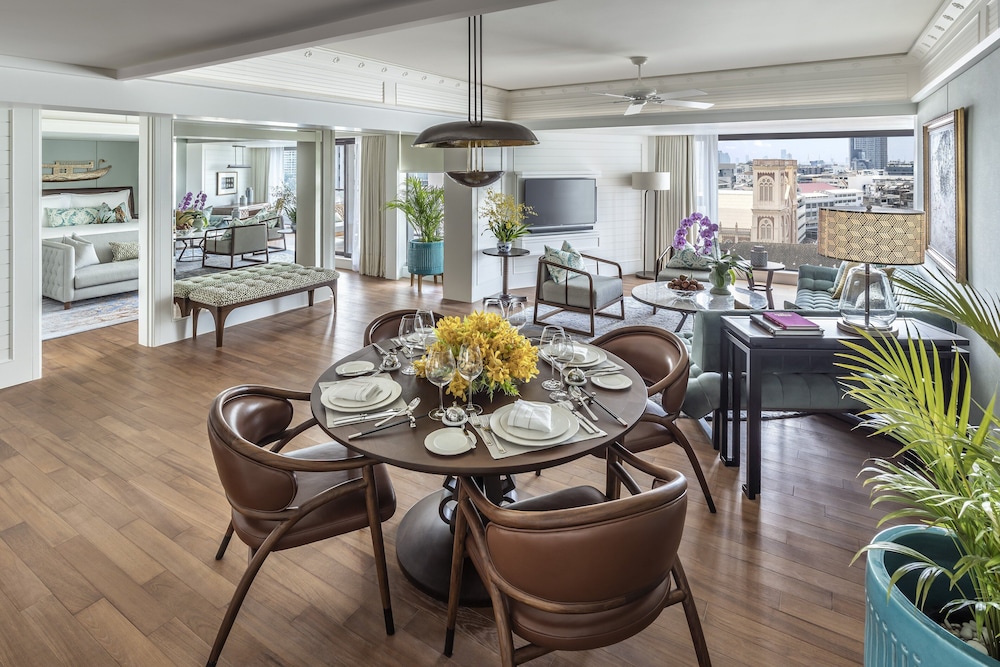
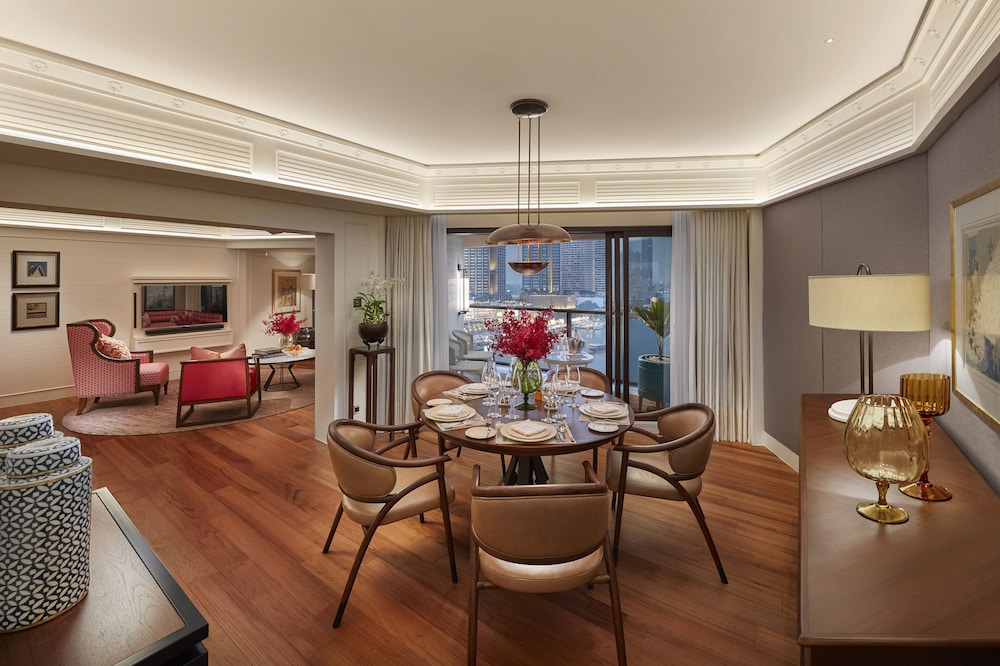
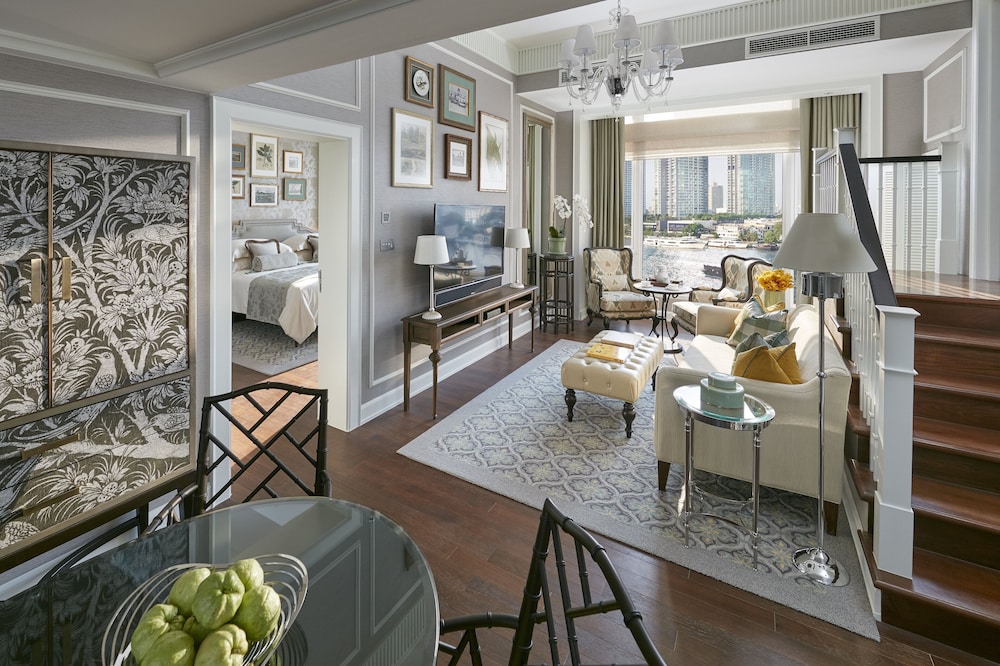
Accommodation here is divided by character and era. The suites in the Authors' Wing are arguably the most distinctive rooms in Thailand, featuring incredibly high ceilings, hand-carved furniture, and a sense of volume that modern builds cannot match. Each suite is named after a literary figure who once called the hotel home, from Somerset Maugham to Joseph Conrad. These rooms are not just for sleeping; they are for inhabiting a specific period of travel history, updated with discreet modern technology that never jars against the dark wood and fine Thai silks. The bathrooms are vast, finished in marble and polished chrome, offering a level of tactile luxury that justifies the premium price tag.
The River Wing offers a more conventional luxury experience, though the recent comprehensive renovation has elevated these rooms significantly. While they lack the soaring ceilings of the historic wing, they provide floor-to-ceiling views of the river traffic through expansive windows. The design is contemporary and comfortable, though one could argue that a standard room in this wing feels somewhat similar to those found in other five-star properties along the river. To truly feel the soul of the Mandarin Oriental, booking a river-facing suite or a historic room is essential. The entry-level rooms are perfectly functional and beautifully finished, but they miss the unique architectural DNA that makes this specific hotel a world-class destination.
The choreography of long-serving service
Service is the primary reason the hotel maintains its reputation above its neighbours. This is a property where staff members do not merely stay for a season; many remain for decades, often knowing the preferences of returning families across generations. It is an anticipatory culture where your preferred drink appears before you ask, and your room is serviced with a level of precision that includes the neatening of charging cables and the placement of bookmarks. You rarely have to explain yourself twice, a feat that is difficult to achieve in a hotel of this size and complexity.
This level of service extends beyond simple politeness into a form of operational choreography. Whether it is the commissionaires at the front door who seem to know every taxi driver in the city, or the housekeepers who move with silent efficiency, the machine runs flawlessly. In a city where luxury hotels are plentiful but often let down by inconsistent training, the Mandarin Oriental stands apart by virtue of its institutional memory. There is a confidence here that comes from 150 years of practice, resulting in a stay that feels remarkably frictionless, even when the lobby is at its busiest during the afternoon rush.
A culinary circuit from Le Normandie to the Terrace
Dining here is an extensive affair that requires a multi-day itinerary to fully appreciate. Le Normandie by Alain Roux remains the formal heart of the hotel, a Michelin-starred bastion of French fine dining that demands a jacket and a sense of occasion. It is one of the most celebrated dining rooms in Asia, offering a contrast to the humid heat of the city with its cool, sophisticated interiors and views across the water. For a more relaxed but no less impressive experience, the Verandah serves excellent international fare, while the Riverside Terrace provides one of the best breakfast spreads in the region, featuring everything from traditional Thai noodle soups to European bakery standards.
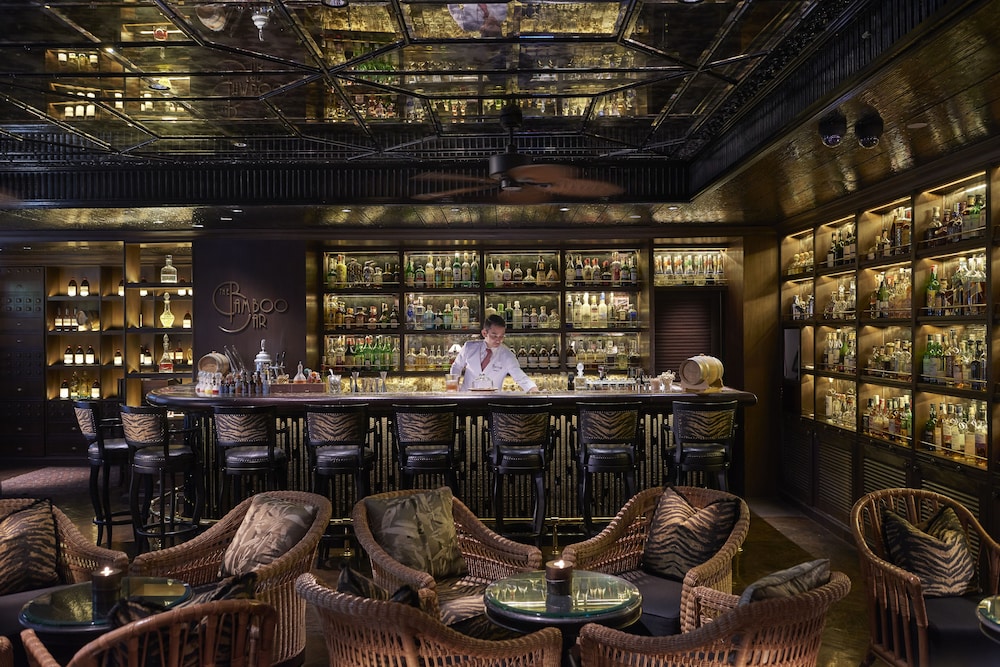
The evening should ideally begin or end at the Bamboo Bar, a legendary jazz spot that has managed to retain its cool despite its fame. The cocktails are inventive, the live music is consistently high-quality, and the atmosphere is thick with the history of the travellers who have sat on these stools before you. For those seeking authentic local flavours, the hotel’s Thai restaurant across the river offers a refined take on regional classics. The transition from the buzzy, international atmosphere of the main wings to the more traditional teak surroundings of the riverside Thai pavilion provides a welcome change of pace during a long stay.
Crossing the water for wellness
The hotel’s facilities are split by the river, a quirk that adds a sense of ceremony to a visit to the spa or gym. Guests board the hotel’s private teak shuttle boats for a two-minute journey to the opposite bank, where the spa is housed in a series of traditional Thai structures. This physical separation from the main hotel makes a massage feel like a genuine outing rather than a quick stop between meetings. The spa is widely considered one of the best in the world, not just for the skill of the therapists but for the serenity of the environment, which feels worlds away from the chaotic streets of Bang Rak.
Back on the main side, the swimming pools are set in lush tropical gardens that provide a surprisingly quiet sanctuary. There are two pools: one designed for laps and another more suited for lounging. The service poolside is as attentive as it is in the restaurants, with staff providing iced water and chilled towels without being prompted. For those who want to be more active, the Thai cooking school across the river is a legitimate institution. It offers a serious look at the mechanics of Thai cuisine, making it a popular choice for guests who want to take a piece of the culture home with them beyond simple souvenirs.
Navigating the Bang Rak neighbourhood
The hotel is located in Bang Rak, a district that feels more grounded and historical than the glitzy malls of Sukhumvit or Siam Square. This is the old commercial heart of the city, where narrow alleys are filled with street food vendors and small galleries. Staying here means you are perfectly placed for exploring the river, which remains the most efficient way to travel to the Grand Palace and the temples of Wat Arun and Wat Pho. The hotel’s shuttle boat connects you to the Saphan Taksin pier, providing easy access to the Skytrain system for journeys further afield.
However, there is a logistical trade-off to this riverside location. While the river transport is excellent, getting to the central business district or the main shopping hubs of Sukhumvit during rush hour can be a slow, arduous process by road. The traffic in this part of Bangkok is notorious, and a ten-kilometre journey can easily take an hour in the late afternoon. Guests should plan their movements around the river and the Skytrain to avoid frustration. The trade-off is the atmosphere; watching the barges and long-tail boats move up and down the Chao Phraya from your balcony is a far more rewarding experience than looking out at a concrete highway.
Suitability for families and couples
While the Mandarin Oriental is often associated with formal luxury and business travellers, it is surprisingly accommodating for families. The staff have a genuine warmth toward children, and the pools and expansive grounds provide enough space for younger guests to move without feeling like they are intruding on the peace of others. There are dedicated children's menus and activities, though the hotel never loses its sophisticated edge to become a family resort. It manages to balance the needs of those travelling with children against the expectations of couples seeking a quiet, romantic retreat.
For couples, the hotel is an obvious choice for anniversaries or special occasions. The romantic potential of a riverside dinner at sunset, followed by drinks in the Bamboo Bar, is hard to beat. The Authors' Wing suites, in particular, feel designed for privacy and indulgence. The hotel’s ability to cater to such different demographics simultaneously is a testament to its scale and the quality of its management. It is a place that feels grand enough for a wedding but intimate enough for a solo traveller looking for a safe, high-end base in a complex city.
The verdict on value and timing
The Mandarin Oriental is undeniably expensive, sitting at the top of the Bangkok price bracket. However, the value proposition changes significantly depending on when you visit and what you book. The peak season from December to February sees the highest rates and a hotel operating at full capacity. For those seeking a more accessible entry point, the 'green season' from May to September offers significantly lower rates. While this coincides with the monsoon, the rain in Bangkok usually comes in intense, short bursts in the late afternoon, rarely ruining a whole day of sightseeing. Booking a historic suite during these months offers the best return on investment.
Ultimately, this is a hotel for those who value service and heritage above all else. If you are looking for a standard modern room, you might find better value at one of the newer skyscrapers nearby. But for the full experience of the Authors' Wing and the legendary service culture that has been refined over 150 years, there is no substitute. It remains the definitive Bangkok address, a place that has seen the city transform around it while maintaining a standard of hospitality that few hotels in the world can match. If your budget allows, it is a quintessential travel experience that justifies its reputation.
May to September rates are far below the December–February high season, and the rain usually comes in short bursts.