Rosewood Hong Kong review: harbour views that make the price make sense
Tsim Sha Tsui, Hong Kong — three nights in a Harbour View Room
FlexStays Editorial · 21 October 2022 · 8 min read · Our score 9.4/10
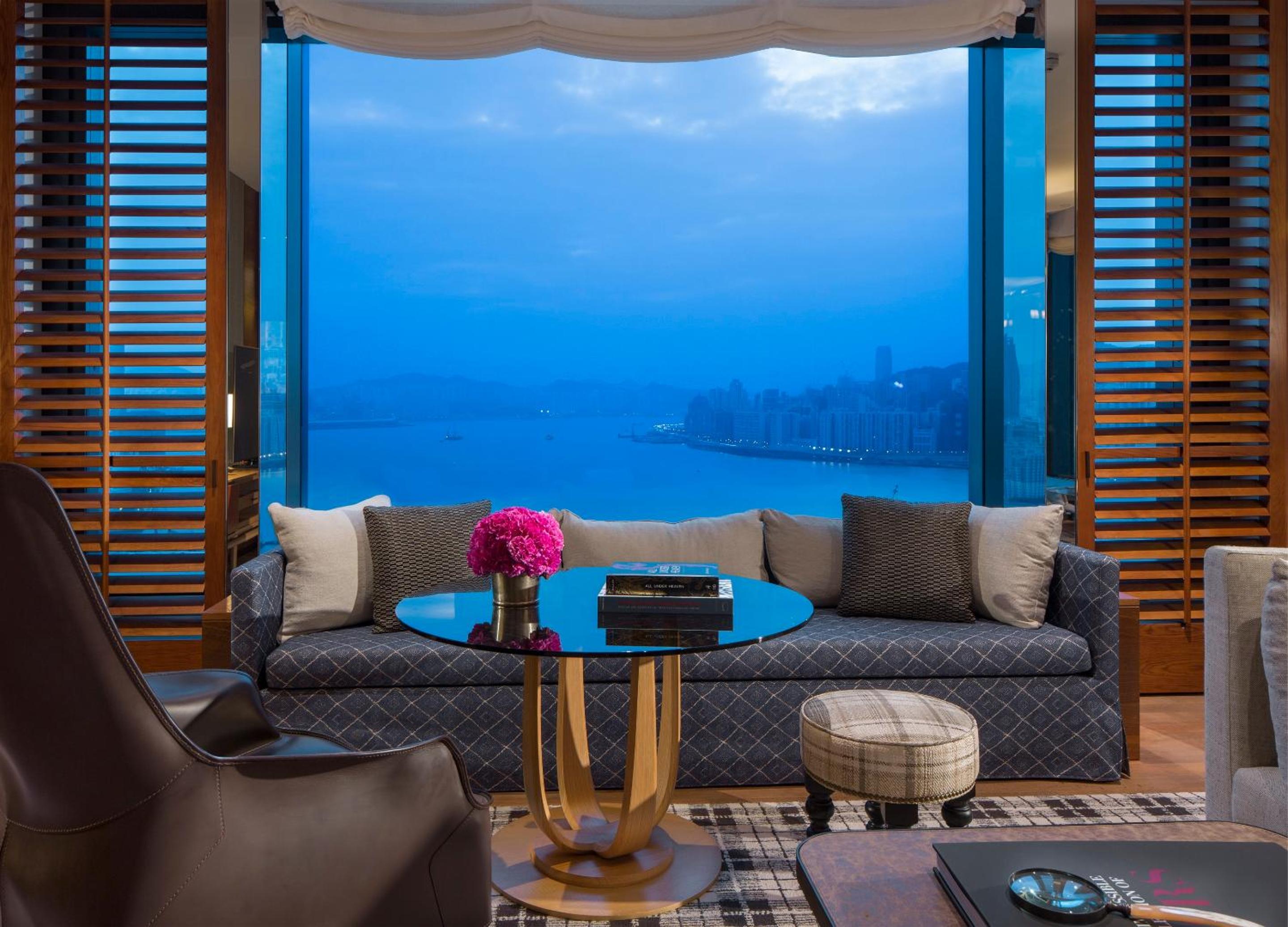
Victoria Dockside's flagship faces the island head-on. The rooms are large, the art is real, and the view runs the length of the harbour.
What we liked
- Full-frontal Victoria Harbour views from most rooms
- Unusually large rooms for Hong Kong
- Star Ferry and the MTR are a short walk away
Worth knowing
- City-facing rooms are a significant step down for a small saving
- Dining and bar prices are Hong Kong-high
- The building is busy with retail and office traffic below
Commanding the Victoria Dockside skyline
The Rosewood Hong Kong is not merely a hotel, but the monumental focal point of the Victoria Dockside development in Tsim Sha Tsui. Occupying a towering presence on the Kowloon waterfront, the architecture by Kohn Pedersen Fox is a vertical estate that draws the eye upward from the promenade. It sits atop a complex ecosystem of high-end retail at K11 Musea, a world-class art museum, and Grade-A office spaces. While the immediate street level hums with the kinetic energy of shoppers and commuters, the hotel is cleverly insulated, beginning its ascent high above the noise to ensure a sense of calm once guests pass through the private porte-cochere.
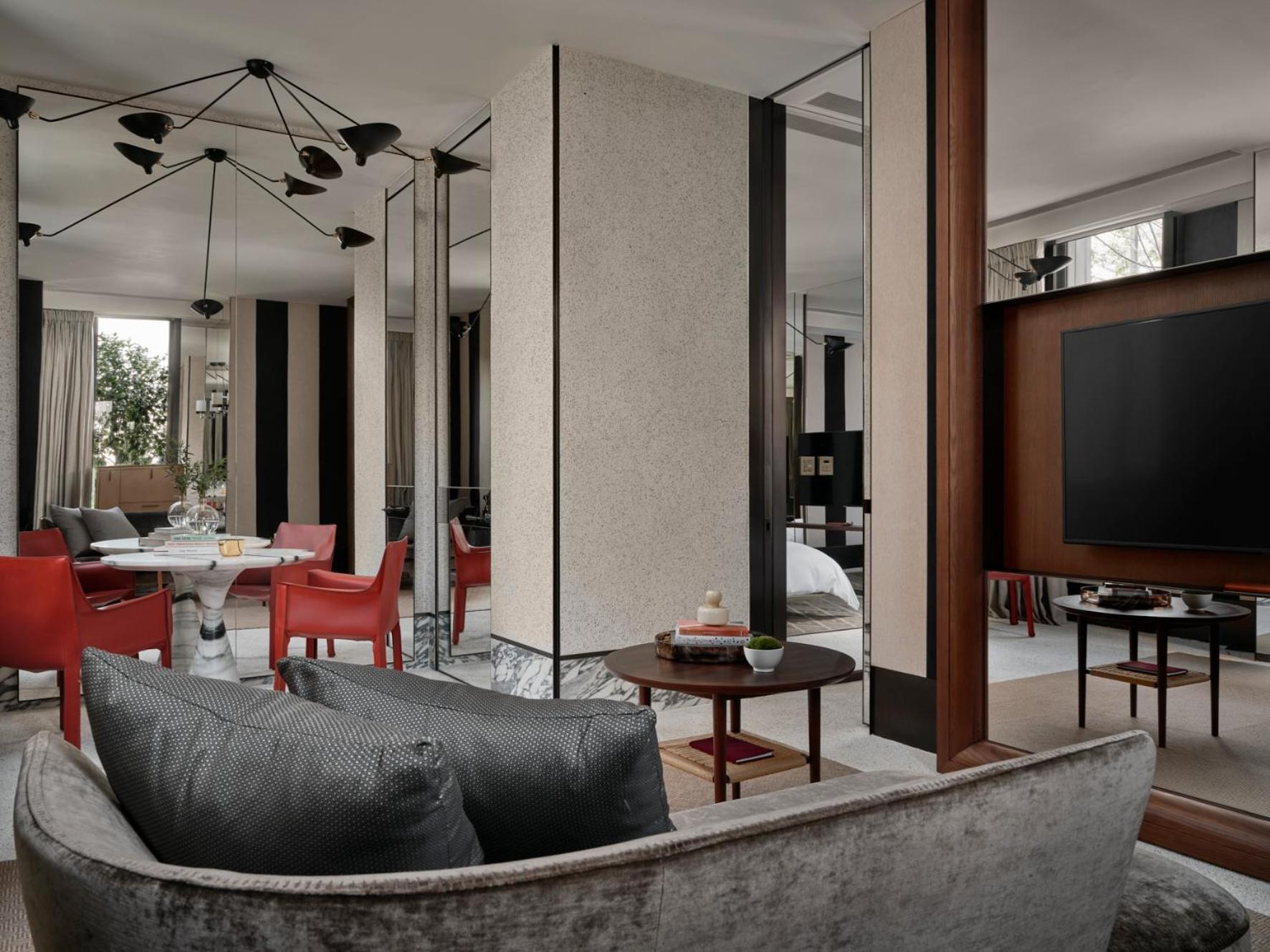
The design philosophy, steered by Tony Chi, is an exercise in layered luxury that feels distinct from the glass-and-steel coldness often found in modern skyscrapers. Inside, the spaces are dark, moody, and rich with texture, using a palette of lacquer, oak, and marble to create a residential feel. This is a deliberate nod to the estate heritage of the property's owners, and it succeeds in making a massive building feel strangely intimate. The common areas are punctuated by genuine, significant works of art, rather than the corporate prints typically found in luxury chains, lending the lobby and corridors the air of a private gallery.
Unrivalled proportions in the Harbour View rooms
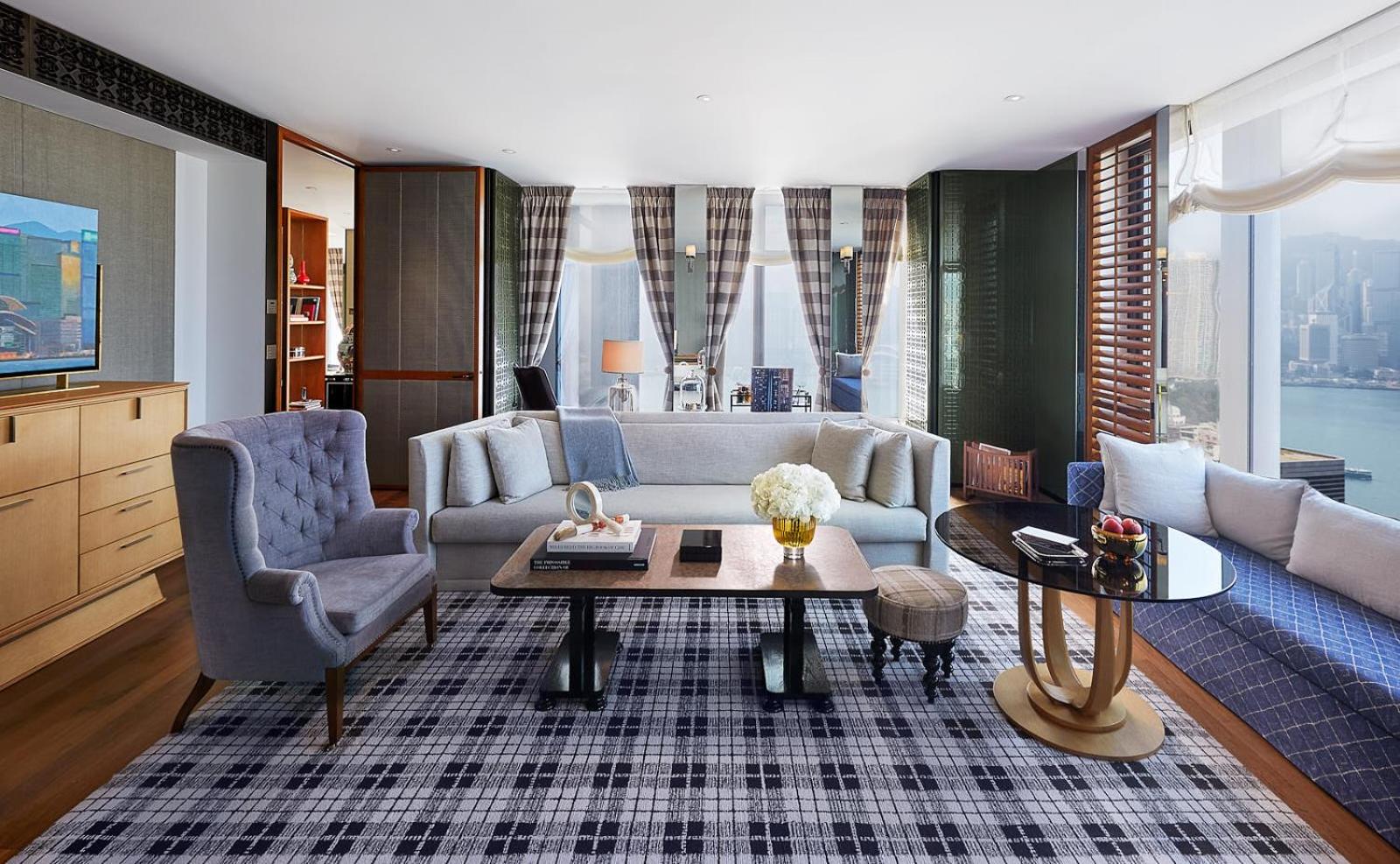
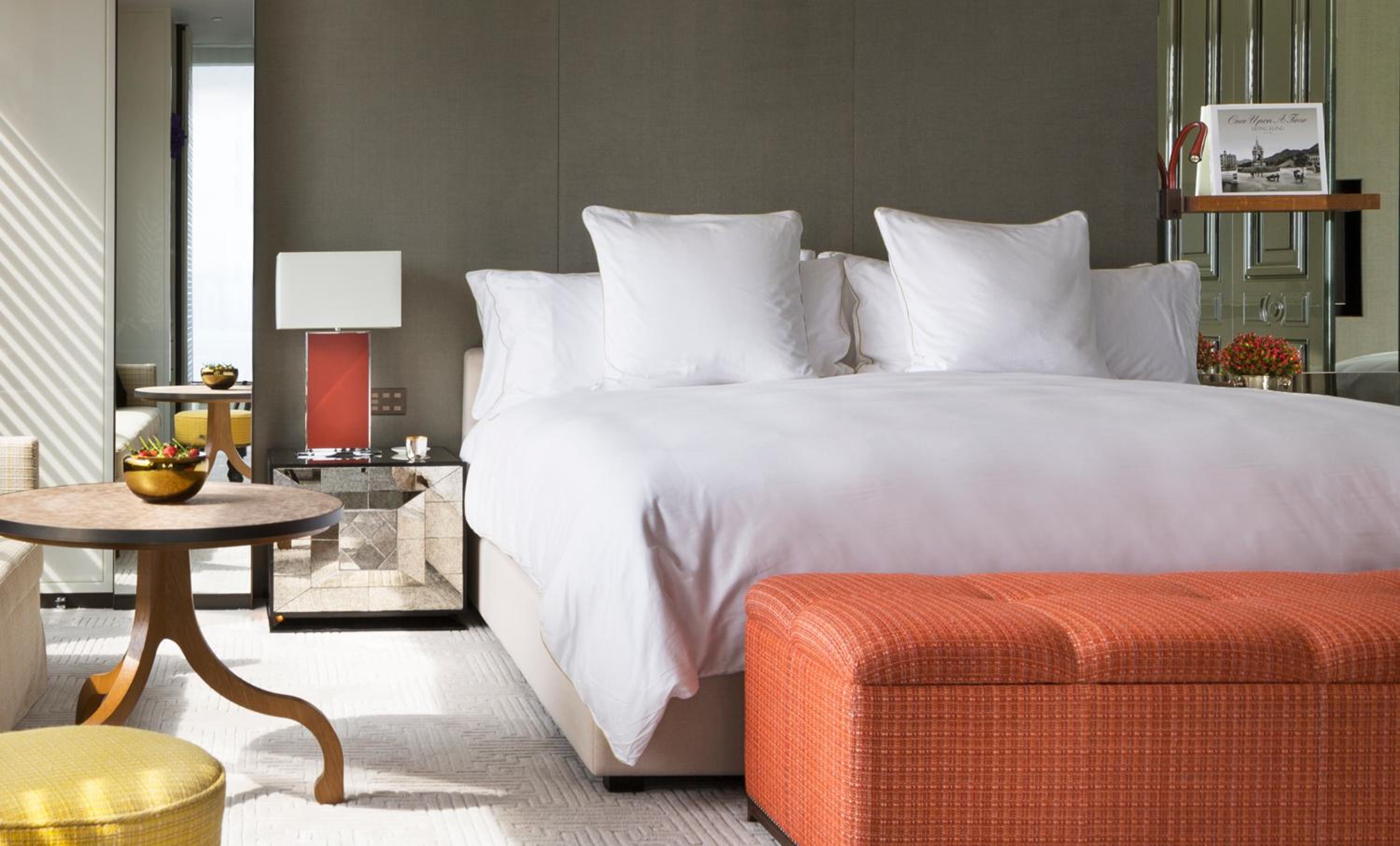
In a city where space is the ultimate luxury, the entry-level dimensions here are nothing short of remarkable. Starting at fifty square metres, even the lead-in categories dwarf the competition across the water on Hong Kong Island. The layout is intelligently divided, featuring a proper executive desk that invites actual work, generous walk-in wardrobes that prevent suitcase clutter, and a sleeping area that feels grand. However, the true currency of the stay is the orientation; the floor-to-ceiling glass acts as a live frame for the ever-shifting maritime theatre of Victoria Harbour, from the rhythmic chugging of the Star Ferry to the nightly laser display.
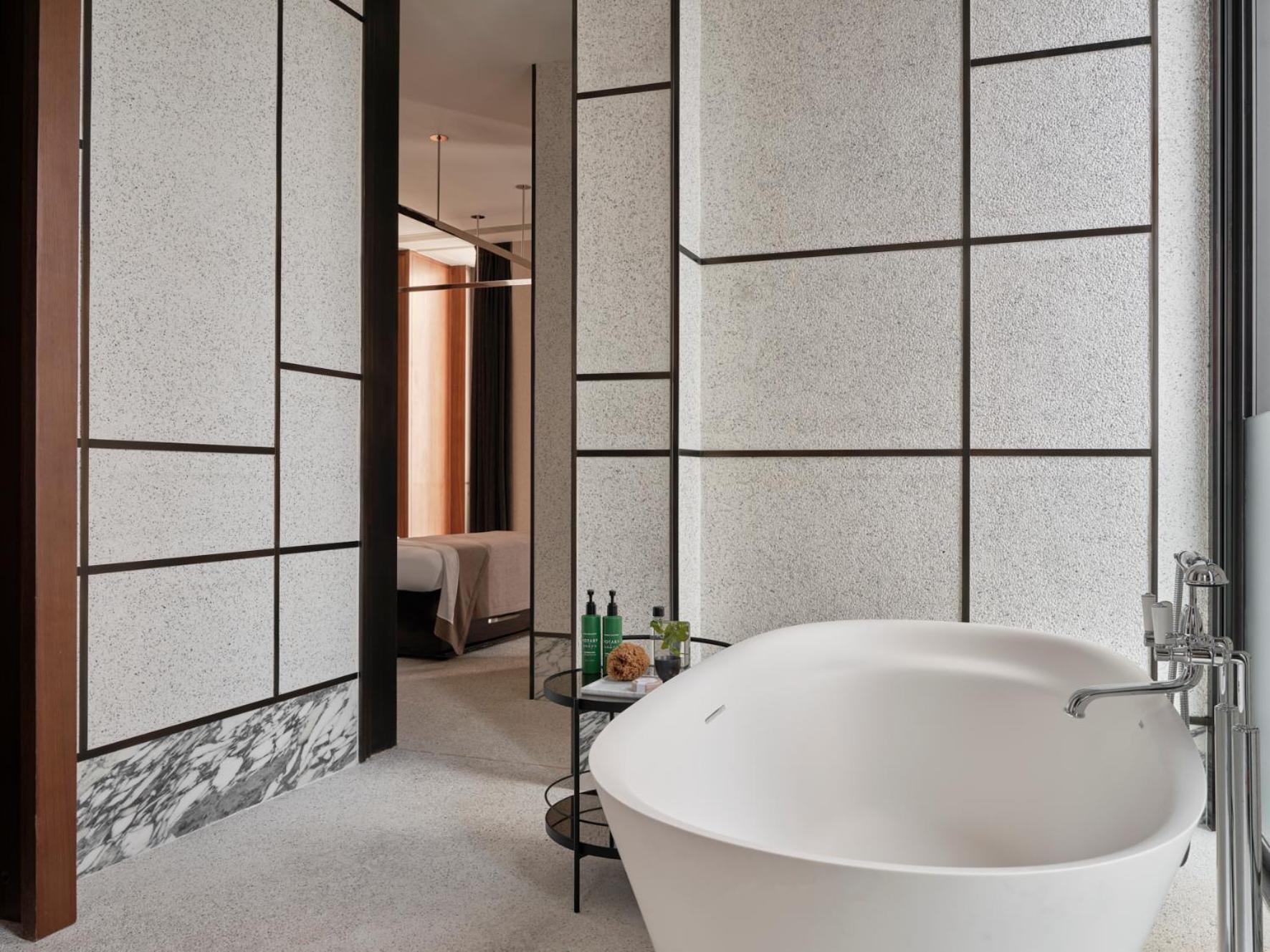
The bathrooms are perhaps the most indulgent spaces in the room, clad in monochrome marble with double vanities and a deep-soaking tub. In the Harbour View categories, the tub is positioned so that one can watch the skyline of Central and Wanchai while bathing. It is a cinematic experience that justifies the premium. While the city-facing rooms offer the same level of interior finish and butler service, they lack this vital connection to the water. Without the harbour view, the room remains technically excellent but loses the specific magic that makes this property a global flagship for the Rosewood brand.
Fine dining and the Cantonese kitchen
The culinary programme is vast, but The Legacy House is the undisputed centrepiece. This Cantonese kitchen serves as a tribute to the family’s roots in Shunde, offering refined regional dishes that go beyond standard dim sum. The dining room is sophisticated, featuring private booths and a view that competes with the food for attention. For a more relaxed start to the day, Holt’s Café provides a high-end take on the traditional Hong Kong tea house experience. The breakfast here is comprehensive, handling both Western staples and local favourites like congee and wonton noodles with equal technical precision.
Beyond the main restaurants, the hotel’s bar, DarkSide, has become a destination in its own right for locals and residents alike. Specialising in rare aged spirits and vintage cigars, it captures the nocturnal energy of Kowloon. It is worth noting, however, that dining and drinking here is an expensive pursuit. Prices are set at the ceiling of the Hong Kong market, and a casual evening of cocktails and snacks can easily rival the cost of a mid-range hotel room elsewhere. For those willing to spend, the quality is undeniable, but it is a factor to consider when budgeting for a stay of several nights.
An elevated approach to wellness and the pool
The wellness offering, branded as Asaya, spans two floors and represents a shift away from the traditional hotel spa towards a more holistic, integrated health club. It includes a fitness centre that would put most commercial gyms to shame, alongside dedicated rooms for consultation and treatment. The design continues the theme of a tranquil sanctuary, using natural stone and soft lighting to lower the heart rate the moment you exit the lift. It is a comprehensive facility that caters to serious athletes and those simply looking to recover from a long-haul flight with a signature massage or facial.
The outdoor infinity pool is arguably the finest in the city. Located on a terrace that feels like it is floating over the harbour, the water seems to spill directly into the sea below. Looking across at the dense forest of skyscrapers in Central while swimming laps is a quintessential Hong Kong moment. The pool deck is serviced with the same level of attention as the restaurants, with attendants providing chilled water and sun cream without being prompted. Even on a humid afternoon, the breeze off the water and the sheer scale of the terrace prevent the area from feeling overcrowded, even when the hotel is at high occupancy.
Navigating the Tsim Sha Tsui waterfront
The location at the tip of the Kowloon peninsula is strategically perfect for those who want to be in the thick of the action while maintaining a sense of separation from the frantic streets of Central. The Star Ferry pier is a short, scenic walk along the promenade, providing the most iconic and affordable way to cross the harbour. Additionally, the MTR station is easily accessible through the basement levels of the K11 Musea complex, linking guests to the rest of the city and the airport express with ease. The neighbourhood is a blend of the historic and the hyper-modern, where traditional tailors sit minutes away from futuristic shopping malls.
Walking along the Tsim Sha Tsui promenade at dusk is a highlight of staying in this part of town. The Avenue of Stars, which runs directly in front of the hotel, offers a front-row seat to the city's architectural evolution. While the area can become densely packed with tourists during the day, the hotel’s elevated position and private driveway ensure that guests can retreat from the bustle whenever necessary. The proximity to the Hong Kong Museum of Art and the Cultural Centre adds a layer of intellectual depth to the stay, making it more than just a convenient base for shopping.
Butler service and the human element
One of the hallmarks of the Rosewood experience is the standard inclusion of butler service for all guest rooms. In many hotels, this is a gimmick that involves little more than someone offering to unpack a bag, but here the butlers are integrated into the daily flow of the stay. They act as a single point of contact for everything from restaurant reservations to pressing a shirt for a business meeting. The service is proactive rather than reactive; if you mention a preference for a certain type of tea or a specific newspaper, it tends to appear without further request. It creates a seamlessness that is rare even in the five-star sector.
The staff throughout the property display a level of professionalism that is characteristic of Hong Kong’s high service standards but with a warmer, more personable edge. Whether it is the door staff managing the constant flow of cars or the housekeeping team who seem to know exactly when you are out of the room, the operation is remarkably smooth. This efficiency is necessary, given how busy the building can get with non-residents visiting the bars and restaurants. The staff do an excellent job of prioritising hotel guests and maintaining the exclusivity of the residential floors amidst the surrounding commercial activity.
Suitability for families and couples
While the hotel exudes a sophisticated, adult atmosphere, it is surprisingly accommodating for families. The sheer size of the rooms means that adding a cot or an extra bed does not result in a cramped environment. The proximity to the promenade and the interactive elements of the K11 Musea mall next door provide plenty of distraction for younger travellers. However, the hotel is perhaps best suited to couples or business travellers who can fully appreciate the aesthetic and the high-end dining scene. The romantic pull of the harbour views at night, combined with the moody lighting of the bars, makes it a premier choice for a celebratory city break.
For those travelling on business, the hotel functions as a highly efficient machine. The desks are large enough for multiple monitors, the Wi-Fi is fast and stable throughout the property, and the Manor Club—the hotel’s executive lounge—offers a quiet space for meetings or focused work. The club provides a more private environment for breakfast and evening drinks, though it requires a room upgrade to access. For many, the added cost is worth it for the peace and the consistently high quality of the food and beverage offerings available there throughout the day.
The final verdict and booking strategy
The Rosewood Hong Kong is an expensive hotel, there is no avoiding that fact. However, the value proposition rests entirely on the quality of the room and the view. If you book a Harbour View room, the price makes sense; you are paying for one of the most iconic urban vistas in the world from a room that is larger and better designed than almost anything else on the market. If your budget only allows for a city-view room, you are essentially paying for the brand and the service without the primary feature that defines the property. In that case, you might find the experience slightly underwhelming compared to the significant financial outlay required.
To get the most out of a stay, timing is crucial. Rates typically dip during the peak of the humid summer months from June to August, and again around the late January period following the New Year celebrations. Conversely, October and November represent the premium months when the weather is at its best and demand is highest. If you can be flexible with your dates, it is far better to wait for a week when the harbour-facing rooms are at a lower price point rather than settling for a city view during a peak period. It is a property designed for the water, and missing that connection is missing the point of the stay.
Rates dip in the humid stretch from June to August and around late January; October and November are the premium months.