Soneva Fushi review: barefoot luxury that actually means barefoot
Baa Atoll, Maldives — six nights in a Crusoe Villa
FlexStays Editorial · 5 February 2026 · 8 min read · Our score 9.6/10
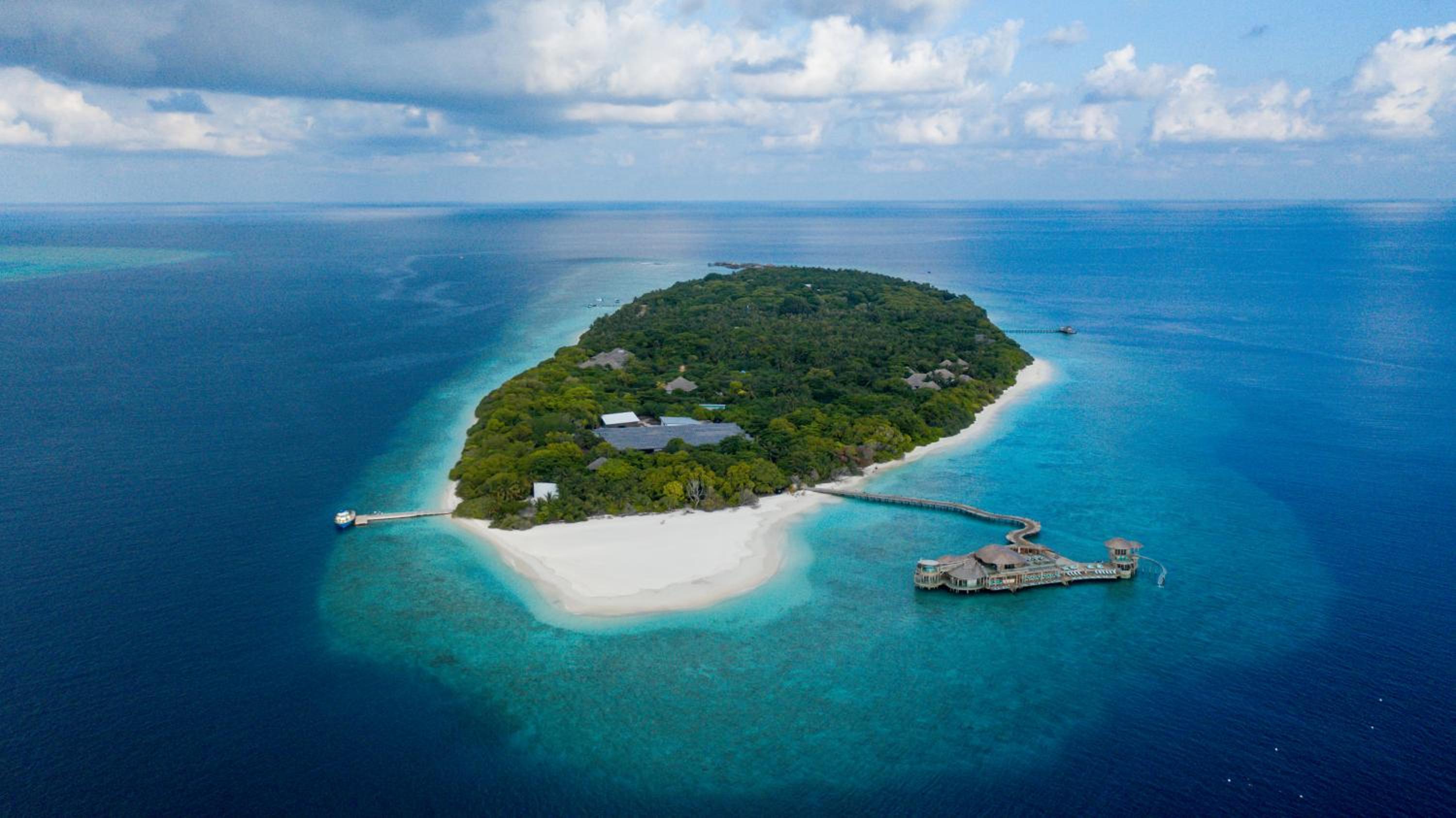
Big jungle villas on a large island in a UNESCO biosphere, with an observatory, an outdoor cinema and no shoes for a week.
What we liked
- Very large villas with private pools and huge garden plots
- Island is big enough to cycle around, unlike most Maldives resorts
- Manta season in Hanifaru Bay is close by from May to November
Worth knowing
- Seaplane transfer adds significant cost and time
- One of the most expensive resorts in the Maldives
- Dining costs escalate quickly without a meal plan
The wild heart of the Baa Atoll
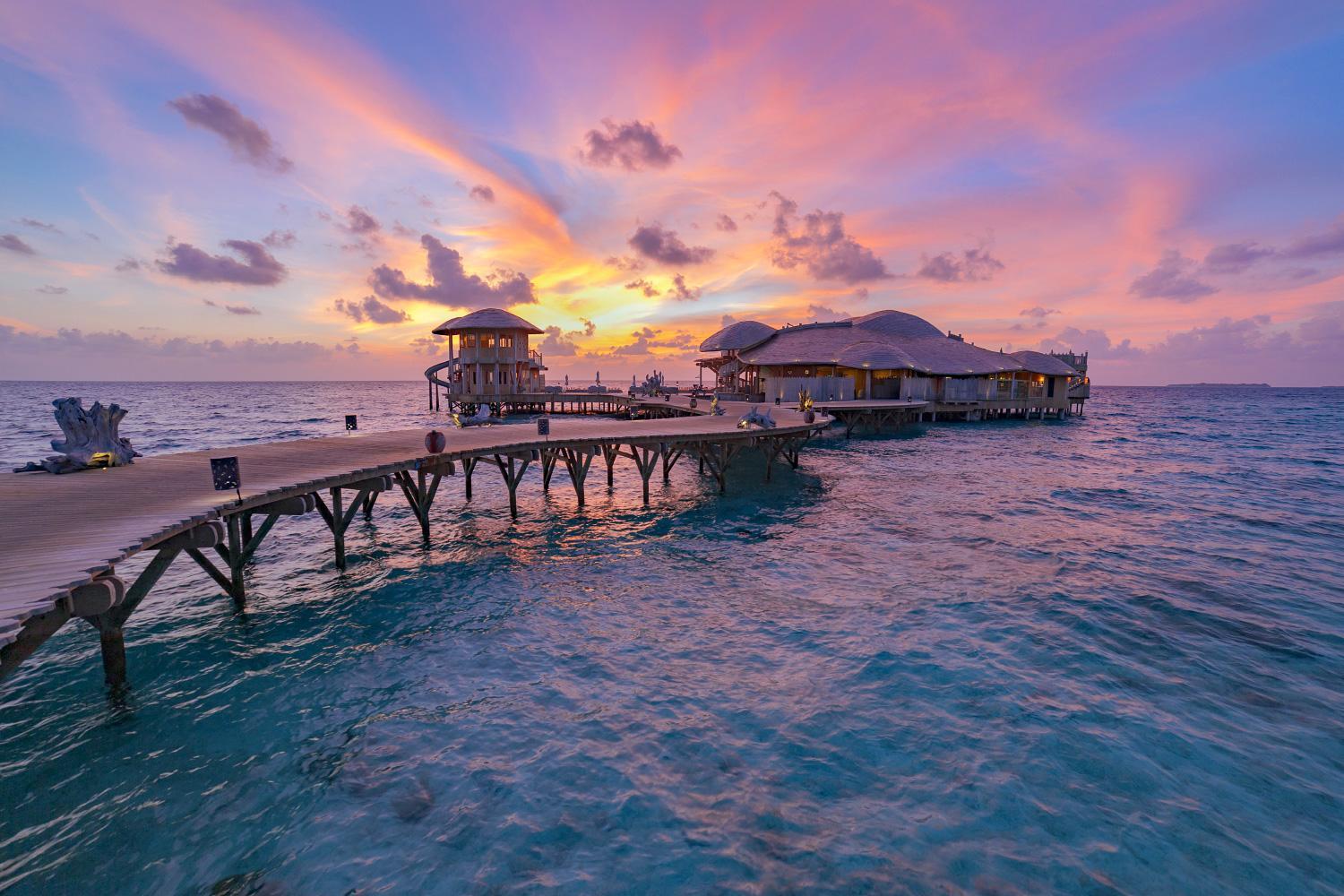
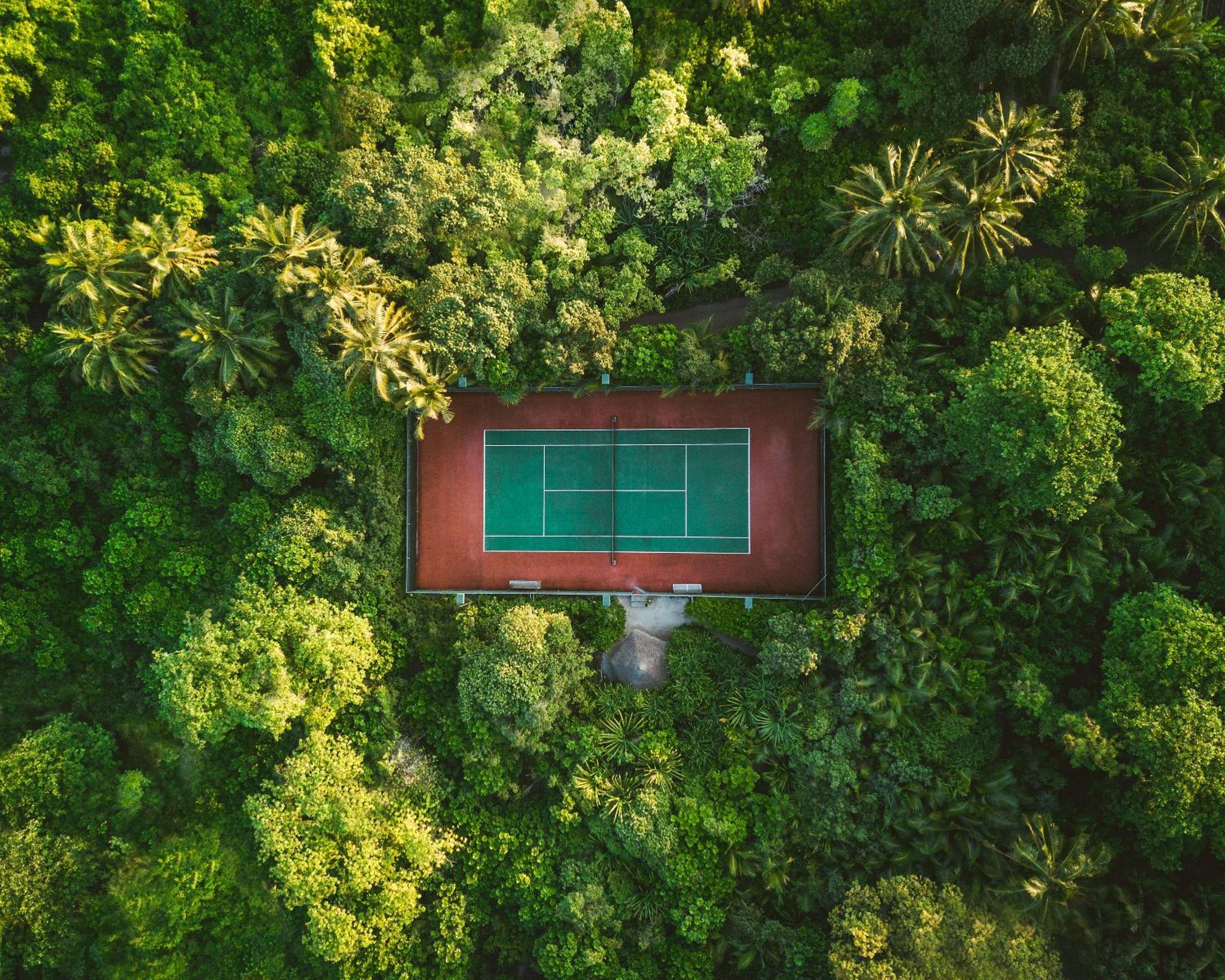
Soneva Fushi occupies Kunfunadhoo, one of the largest islands in the Maldives and a central pillar of the Baa Atoll UNESCO Biosphere Reserve. Unlike the highly manicured, artificial landmasses typical of newer resorts, this island feels fundamentally rooted in the earth. The interior is a dense, tangled canopy of indigenous jungle where broad-leafed trees and towering palms provide a natural thermostat against the equatorial heat. The perimeter is defined by soft, powdery sand that has not been pumped or repositioned, shifting naturally with the seasonal tides of the Indian Ocean.
The sheer scale of the island dictates the pace of the stay. While most Maldivian resorts can be traversed on foot in ten minutes, Kunfunadhoo requires a bicycle. Guests are issued personalised cycles upon arrival, and the sensation of pedalling through sandy, dappled forest tracks is central to the experience. It feels like an actual island rather than a floating platform. This size ensures a level of privacy that is rare in the region; villas are set so far apart within their own thickets of greenery that you can spend an entire day without seeing or hearing another guest until dinner.
Architecture of the Crusoe Villa
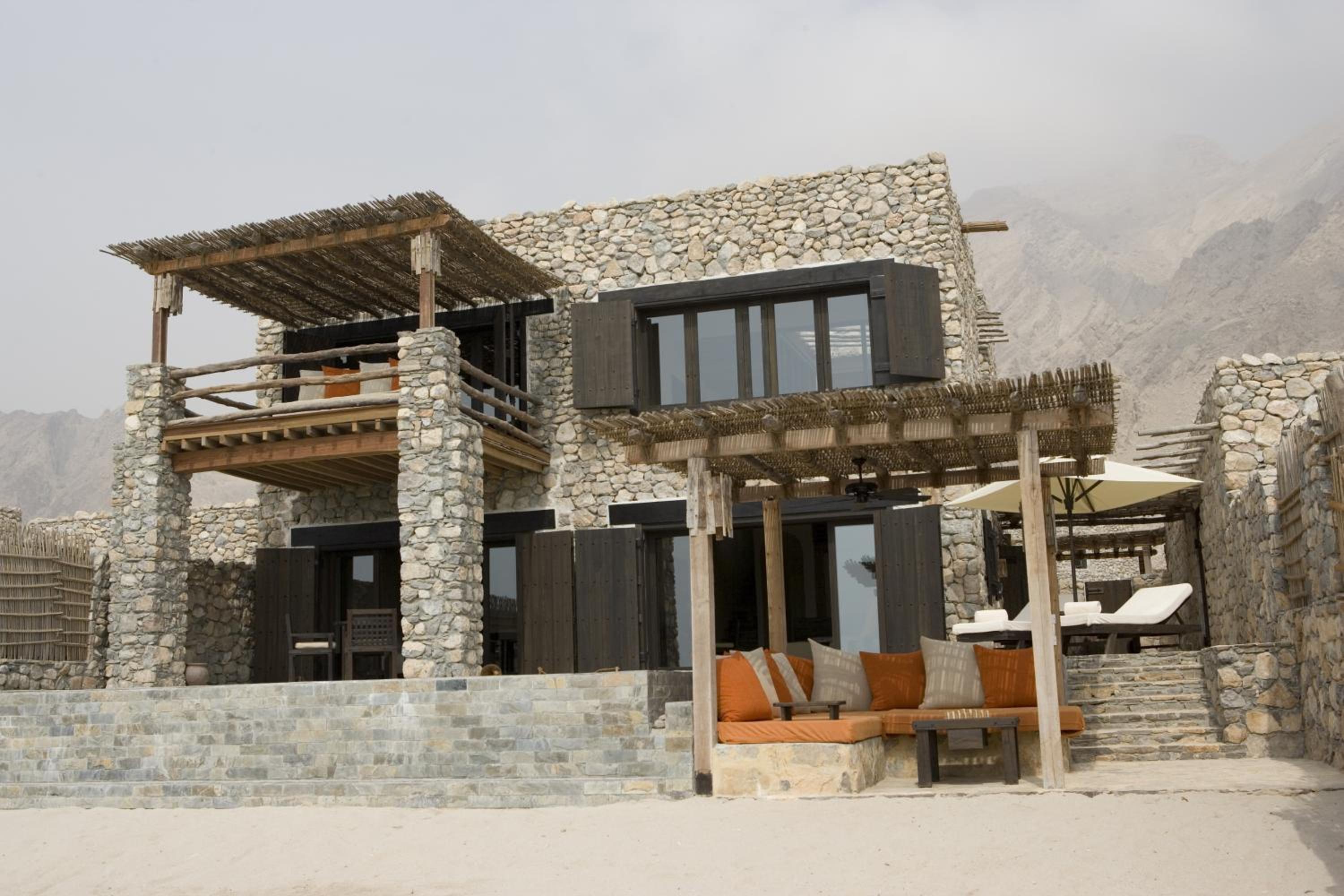
The design philosophy here eschews the high-gloss marble and glass of the Middle Eastern-influenced resorts in favour of what the founders call intelligent luxury. The Crusoe Villas are masterclasses in rustic sophistication, built from sustainable timber, driftwood, and stone. These structures feel like sophisticated treehouses, blending into the jungle rather than standing out against it. Inside, the aesthetic is intentionally understated, featuring organic shapes, raw cotton fabrics, and a colour palette of earth tones that keeps the focus firmly on the turquoise water visible through the trees.
Every villa in the current categories features a substantial private pool and a massive garden plot that guarantees total seclusion. The bathrooms are a signature Soneva element, designed as enormous open-air sanctuaries with stepping stones, water features, and outdoor showers. It is a vulnerable but liberating way to live, showering under the stars or the morning sun. The open-air living spaces are designed to catch the breeze, reducing the reliance on air conditioning and maintaining a constant connection to the surrounding nature, which is the primary reason for visiting this particular atoll.
A culinary circuit of the island
Dining at Soneva Fushi is an expansive affair, spanning multiple venues that range from high-concept fine dining to casual sand-underfoot grills. Freshness is not a marketing term here; the island hosts an extensive organic garden that supplies the kitchens with herbs, salads, and vegetables daily. Mihiree Mitha serves as the breakfast hub, offering a spread so vast it requires a map, while Fresh in the Garden provides a canopy-level dining experience accessible by rope bridge. The quality across all outlets remains exceptionally high, avoiding the buffet fatigue common in large-scale resorts.
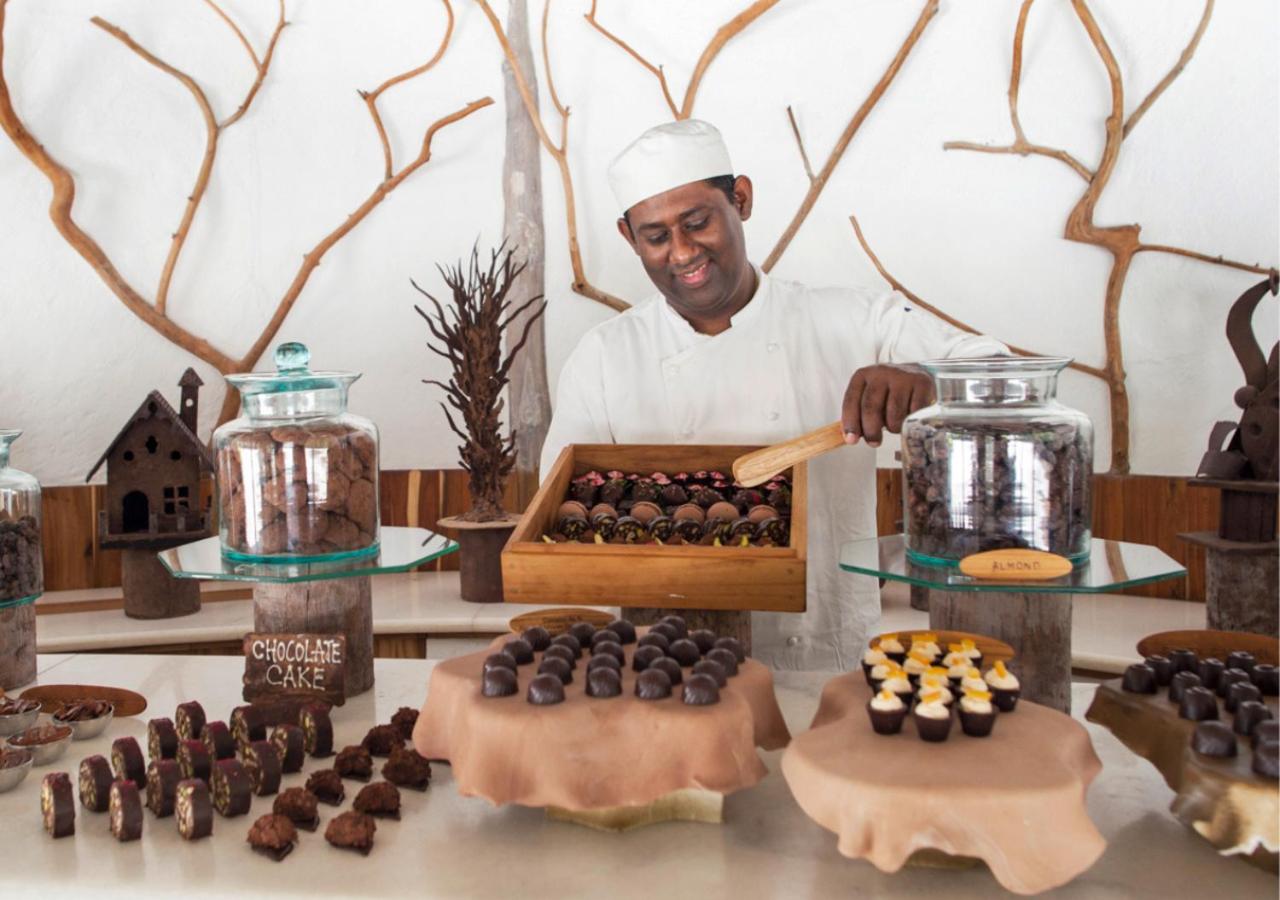
The resort is perhaps best known for its whimsical but expertly executed inclusions. There are dedicated rooms for chocolate and ice cream, both of which are free for guests to access throughout the day. The chocolate room is a refrigerated vault of pralines and truffles, while the ice cream parlour offers dozens of house-made flavours. For those seeking depth, the wine cellar is a serious architectural feat, housing a collection that rivals the best restaurants in London or Paris. However, guests should be aware that dining costs escalate rapidly; unless you have a robust budget, opting for a half-board plan before arrival is an essential financial strategy.
Observatories and outdoor cinema
Entertainment on the island leans toward the intellectual and the elemental. The resort features a sophisticated observatory equipped with a high-powered telescope and a resident astronomer to guide guests through the southern sky. The lack of light pollution in the Baa Atoll makes for exceptional clarity, offering a perspective on the universe that is impossible to find in European cities. It is a thoughtful alternative to the standard resort entertainment of live bands and cocktail hours, though those are available for those who want them.
Cinema Paradiso is another highlight, an enormous outdoor screen set over the water. Guests can lounge on cushions under the stars, listening to the waves lap against the shore while watching classic films with a supply of popcorn. For those seeking physical rejuvenation, the spa is a sprawling complex hidden in the forest, offering everything from Ayurvedic treatments to modern wellness therapies. The facilities are designed to encourage a total disconnect from the outside world, reinforced by the firm no news, no shoes policy that begins the moment you step off the boat.
Marine life and Manta season
While the island itself is captivating, the surrounding waters are the primary draw for many. Soneva Fushi is positioned near Hanifaru Bay, a world-renowned marine protected area. From May to November, this bay becomes a feeding ground for hundreds of manta rays and the occasional whale shark. The resort organises expeditions to the bay, and witnessing a mass feeding event is one of the most significant wildlife experiences available in the Maldives. Even outside of the bay, the house reef is healthy and vibrant, teeming with turtles and reef sharks.
The resort takes its environmental responsibilities seriously, housing an Eco Centro waste-to-wealth facility where glass is blown into art and food waste is composted for the gardens. This is not merely greenwashing; it is a fundamental part of the operation that guests are encouraged to visit. The presence of a marine biology team ensures that snorkelling and diving trips are educational, focusing on the preservation of the delicate coral ecosystems that define the atoll. This makes it an ideal destination for families who want their children to engage with nature in a meaningful way.
Personalised service and the barefoot ethos
Service at Soneva Fushi is overseen by a Barefoot Guardian, a dedicated butler assigned to each villa. The relationship is informal but incredibly efficient; they handle everything from restaurant bookings to packing suitcases, communicated through a direct messaging service. The aim is to remove every friction point of travel. This level of service is what justifies the price tag, as the staff seem to anticipate needs before they are voiced, whether that is a specific pillow type or a preference for a certain vintage of wine.
The barefoot ethos is strictly enforced in the most relaxed way possible. Upon arrival, your shoes are placed in a canvas bag and not returned until you depart. This simple act has a profound psychological effect, immediately grounding guests and stripping away the formalities of luxury travel. The staff also work shoeless, which levels the social hierarchy and fosters a sense of community on the island. It is a sophisticated operation that feels entirely unpretentious, managed by a team that seems genuinely invested in the island's long-term ecological health.
Families and the den
While it is a romantic haven for couples, the resort is exceptionally well-equipped for families. The Den is perhaps the most impressive children's club in the Indian Ocean, a massive playground featuring two pools, a cinema, a library, and rooms for music and LEGO. The programming is far removed from the standard childcare found elsewhere, focusing on craft, exploration, and learning. Because the island is so large, the presence of children never compromises the peace for those seeking a quiet retreat.
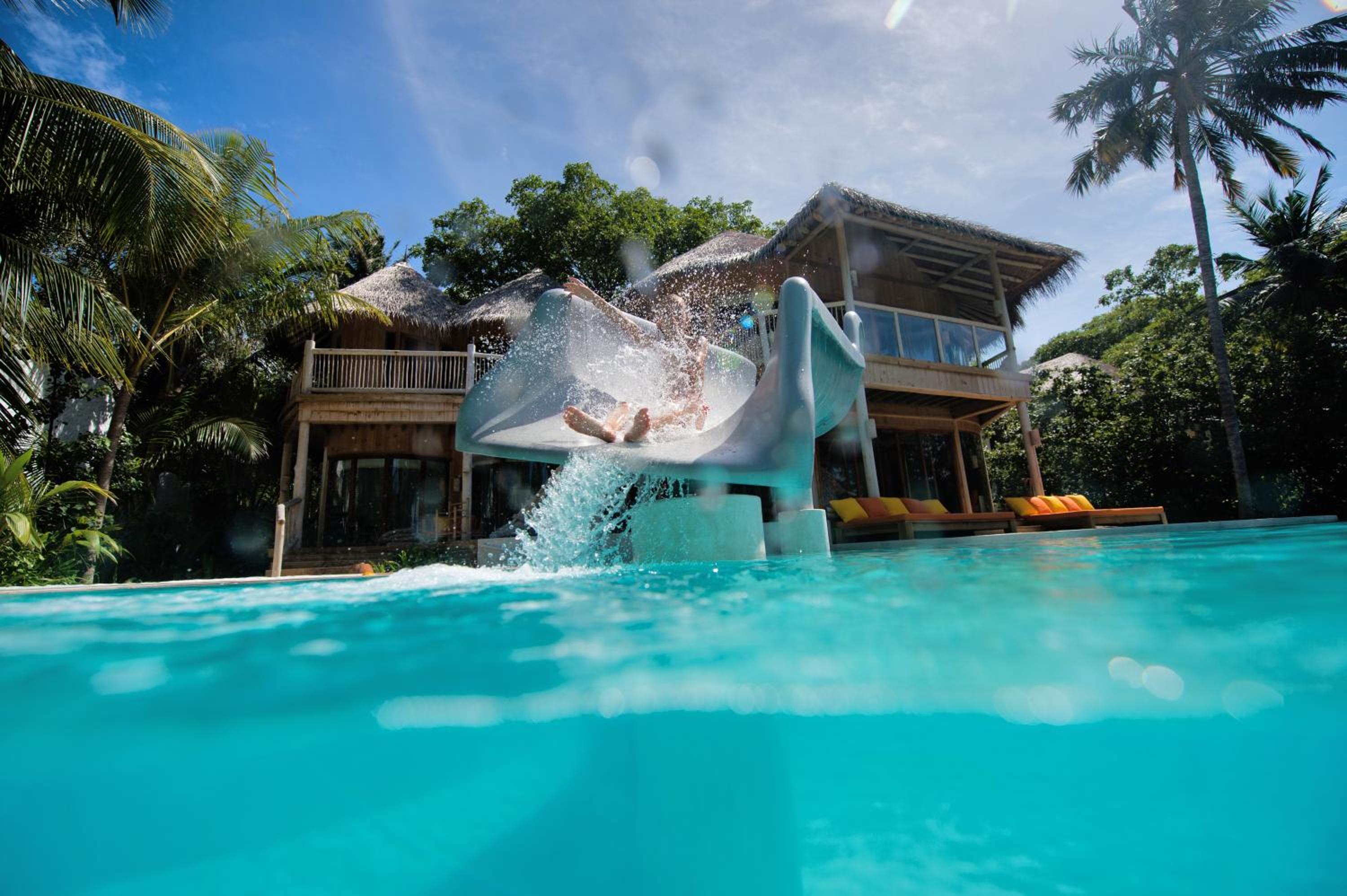
The larger multi-bedroom villas are designed with families in mind, often featuring private slides that drop directly into the pool and sprawling living areas where everyone can congregate. The safety of the island, with its soft sand paths and lack of motor vehicles, allows children a degree of freedom they rarely experience at home. However, parents should keep in mind that the villas are open to nature; this is a place of lizards and birds, which is part of the charm but may require a slight adjustment for those used to hermetically sealed hotel rooms.
Arrival logistics and the seaplane
Reaching this level of isolation requires effort. The journey typically involves a seaplane transfer from Malé, which adds significant cost and time to the itinerary. The resort has its own lounge at the seaplane terminal, providing a comfortable buffer, but the flight itself is subject to weather conditions and daylight hours. For those arriving late in the evening, an overnight stay in Malé may be necessary, which can be a jarring start to a luxury holiday. The transfer cost is high, reflecting the exclusivity and distance of the Baa Atoll.
For stays of a week or longer, the transfer is a spectacular introduction to the geography of the Maldives, offering bird's-eye views of the coral rings and deep blue channels. However, if you are only planning a four-night break, the travel time can feel disproportionate. In such cases, a resort in the North Malé Atoll, accessible by speedboat, would offer more actual beach time per pound spent. Soneva Fushi is a destination that demands time to truly sink into its rhythm; rushing the experience defeats the purpose of the barefoot philosophy.
The verdict and when to travel
Soneva Fushi remains the definitive reference point for luxury travellers who want space and nature without the stuffiness of traditional five-star hotels. It is undeniably one of the most expensive resorts in the Maldives, and the incidental costs for food and drink can be eye-watering if not managed carefully. The value lies in the sheer scale of the private plots and the variety of experiences on offer, from the observatory to the manta ray excursions, which are simply not available at smaller, cheaper properties.
Timing your visit is crucial for both price and experience. The green season, running from May to November, offers materially lower rates and coincides with the peak manta ray activity in Hanifaru Bay, though you should expect occasional tropical downpours. January and February represent the peak season with the most stable weather and the highest prices. For those who value the marine environment and can tolerate a bit of rain, the shoulder months offer the best balance of value. Regardless of when you go, it is a place that rewards those who are willing to leave their shoes—and their expectations of conventional luxury—at the door.
May to November is the green season and materially cheaper; January and February are peak. Manta season overlaps with the cheaper months.