Waldorf Astoria Dubai Palm Jumeirah review: the value pick on the Palm
Palm Jumeirah, Dubai — reviewed over five nights in a King Deluxe
FlexStays Editorial · 5 December 2022 · 9 min read · Our score 8.7/10
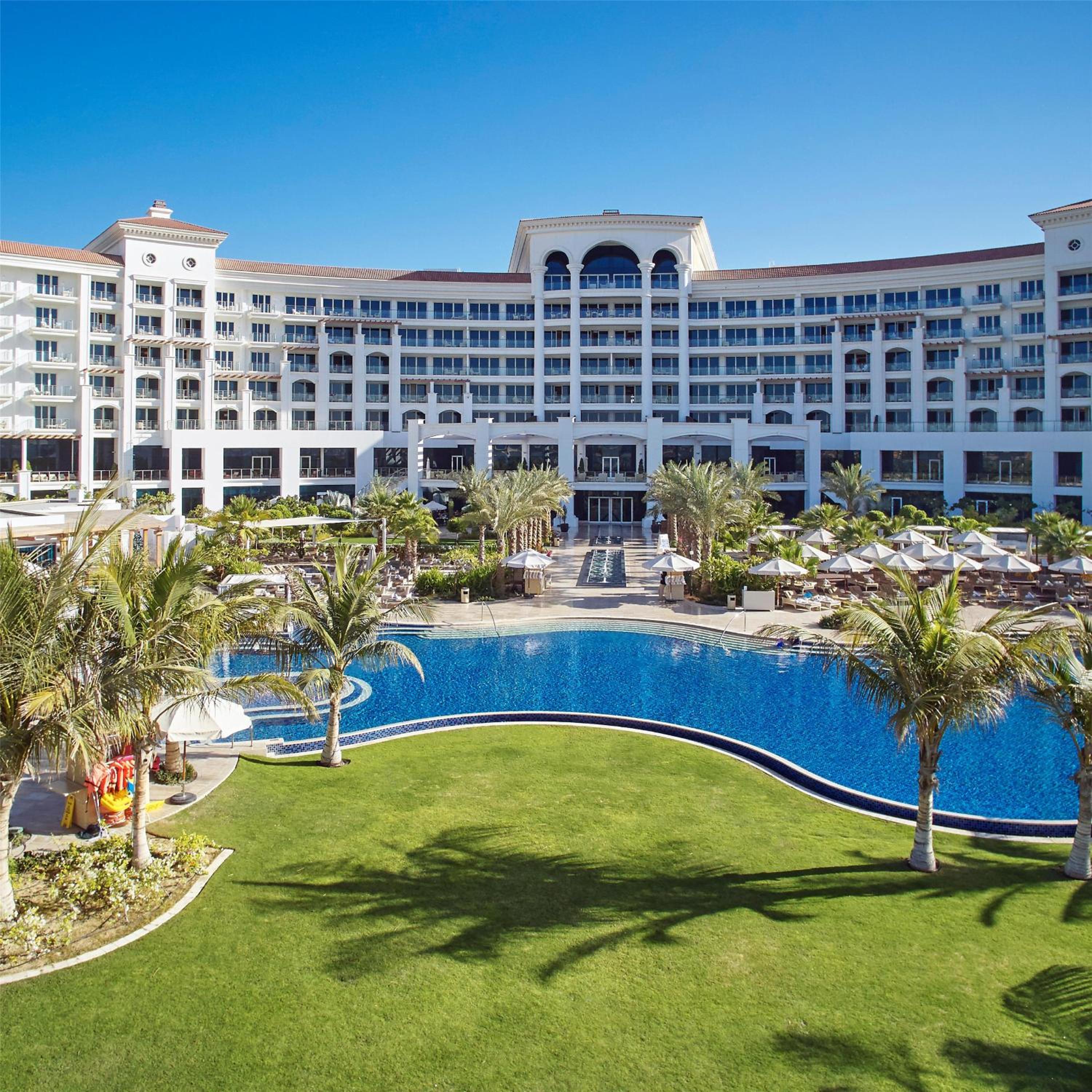
200 metres of private beach, big classic rooms and rates that consistently undercut the Palm's newer arrivals. Where it wins, and where it shows its age.
What we liked
- Long private beach on the Palm's outer crescent
- Rooms are large, with balconies as standard
- Usually cheaper than comparable Palm resorts for the same week
Worth knowing
- Interiors are classical and starting to feel dated next to newer rivals
- You need a taxi for anything off the Palm
- Beach faces the open Gulf, so the water can be choppy in winter
Positioning on the outer crescent
The Waldorf Astoria Dubai Palm Jumeirah occupies a prime stretch of real estate on the eastern arm of the Palm's outer crescent. This positioning is significant for the guest experience, as it allows for a 200-metre private beach that faces the open waters of the Arabian Gulf. Unlike hotels situated on the inner fronds or the trunk, where views are often obscured by neighbouring villas or the calm, sometimes stagnant waters of the internal lagoon, this property offers a sense of maritime scale. The trade-off is that sunsets occur on the opposite side of the archipelago, though the morning light here is exceptional for early risers walking the shoreline.
Navigating the location requires a pragmatic approach to Dubai’s geography. As with almost every resort on the crescent, nothing is accessible on foot. A taxi or private car is an absolute necessity for any excursion off the Palm. Depending on the notorious Dubai traffic, guests should budget 25 to 35 minutes to reach the soaring skyscrapers of Downtown and the Burj Khalifa. A trip to the Dubai Marina or Jumeirah Beach Residence is shorter, typically taking around 10 minutes. While the isolation provides a sanctuary from the city's frantic pace, those looking to frequently explore the city's urban core should factor in the logistics of these daily transits.
Classical scale and room design
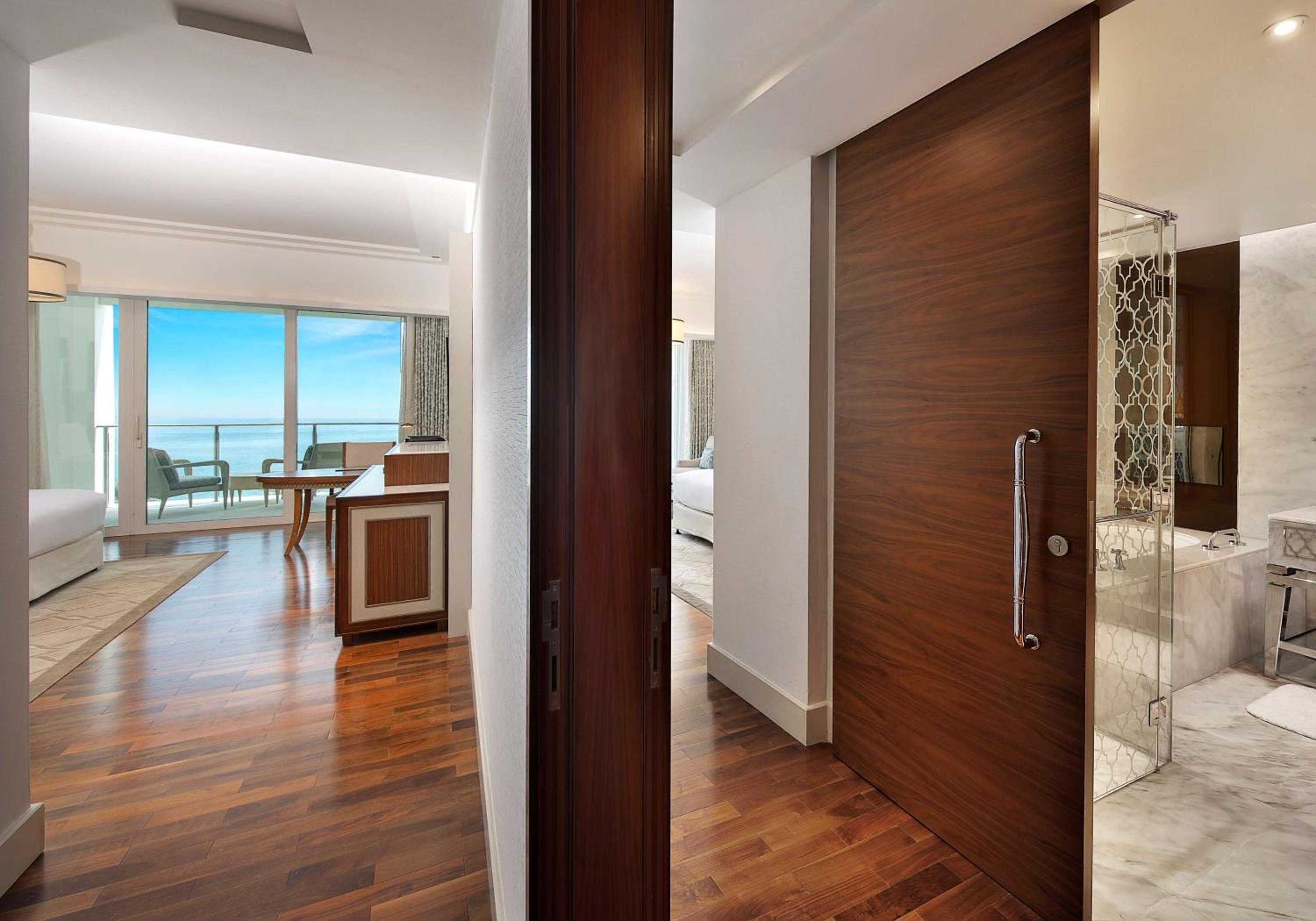
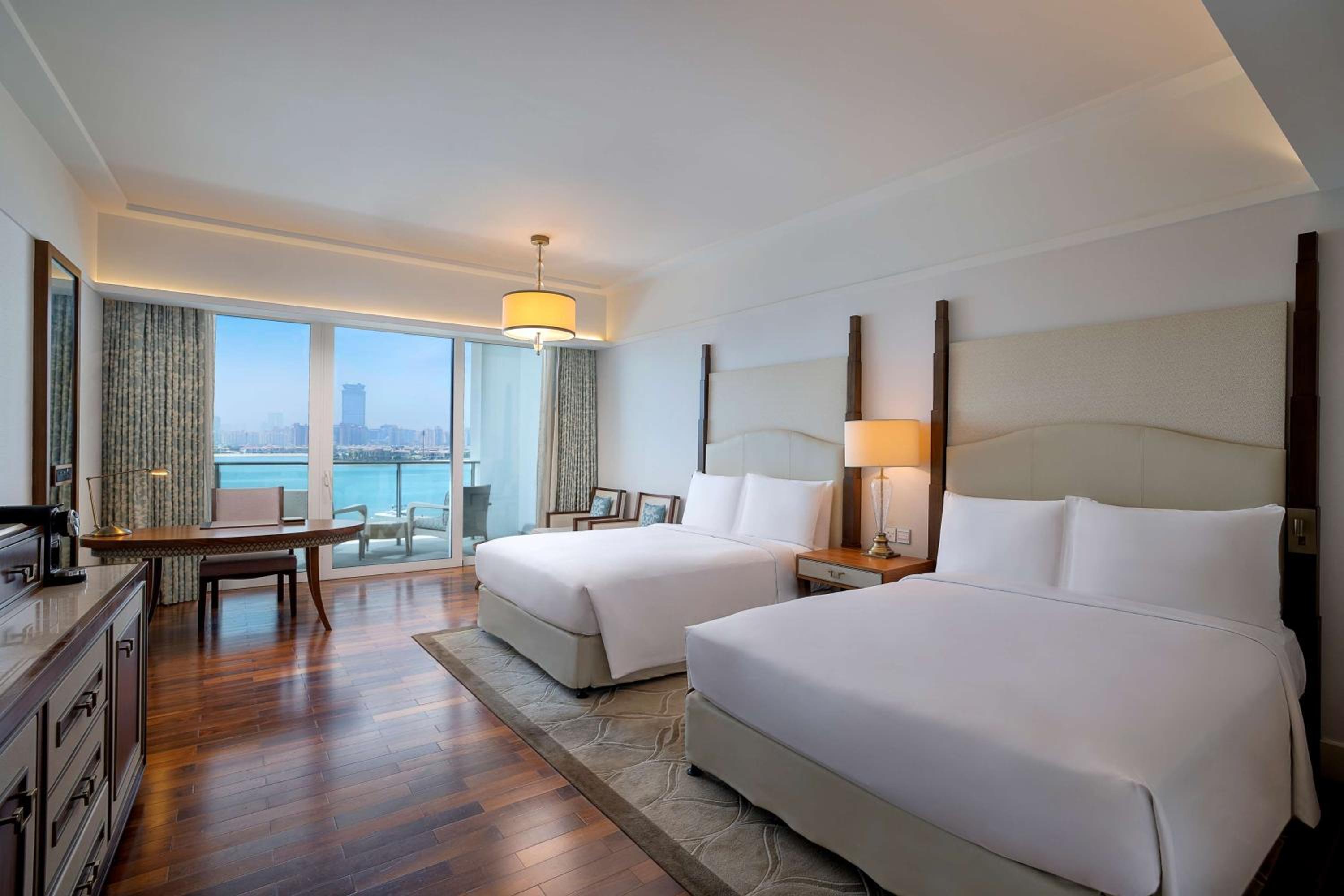
The guest rooms here are among the most generously proportioned entry-level accommodations in the city, providing a sense of space that newer, more cramped developments struggle to match. Every room features a private balcony as standard, providing essential outdoor space to survey the Gulf or the distant city skyline. The interior design adheres strictly to the Waldorf Astoria classical playbook: a palette of pale creams and soft blues, symmetrical layouts, and crystal chandeliers. It is an aesthetic that communicates a traditional, high-end hospitality that many loyalists find reassuringly permanent in a city defined by rapid architectural change.
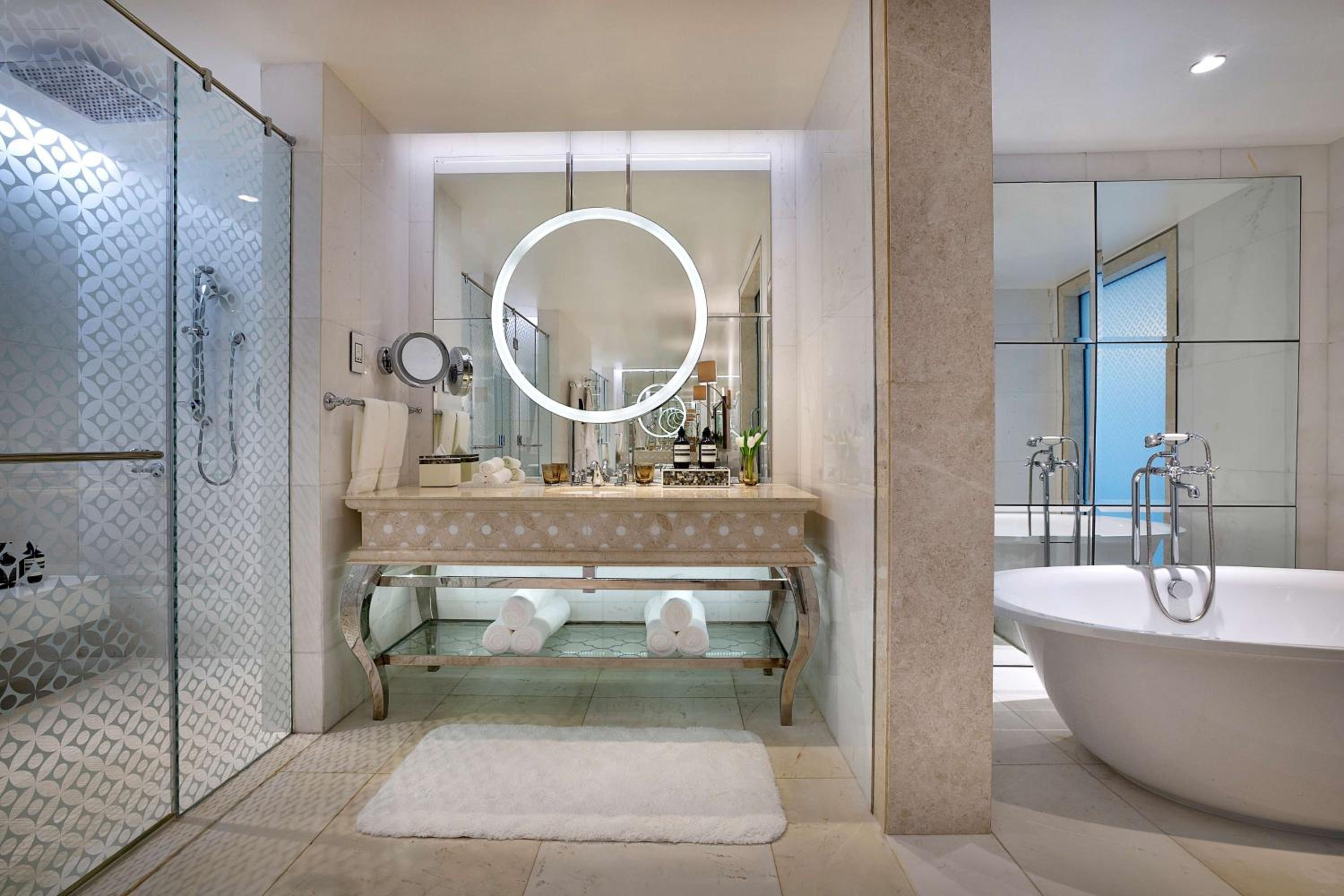
The marble bathrooms are a particular highlight, featuring large walk-in showers and separate, deep soaking tubs that reflect the property's focus on unhurried luxury. However, it must be noted that for travellers accustomed to the sleek, tech-forward minimalism of Dubai's latest openings, these interiors are beginning to show their age. The furniture and soft furnishings, while impeccably maintained, feel rooted in a design era from a decade ago. If your preference leans towards contemporary Scandinavian design or industrial chic, you may find the gilded mirrors and heavy fabrics somewhat dated, yet the sheer square footage remains a compelling reason to choose this over its more modern rivals.
The beach and pool experience
Water is the central theme of the resort, anchored by a 200-metre private beach that feels remarkably quiet even when the hotel is at high occupancy. The sand is soft and well-maintained, though the open-water position means the sea can become surprisingly choppy during the winter months, particularly when the 'shamal' winds blow across the Gulf. This is a distinct contrast to the glassy, lake-like conditions of the inner Palm beaches. For those who prefer freshwater, the resort provides two primary temperature-controlled swimming pools: one dedicated to families and another restricted to adults, ensuring that those seeking quiet can find it away from the splashing of younger guests.
Service at the poolside is attentive without being intrusive. Attendants are quick to provide towels and iced water, and the spacing between loungers is sufficient to prevent the feeling of being overlooked. While the family facilities are solid, including a well-run kids' club and dedicated shallow areas, the resort does not lean into the theme-park energy found at nearby Atlantis. Instead, it maintains a more dignified atmosphere that caters to multi-generational groups who want to spend time together without the constant noise of water slides and entertainment teams. It is a place for reading and resting rather than high-octane seaside activities.
Refined dining and Sunday traditions
Dining at the Waldorf Astoria is a reliable affair, focused on quality execution rather than chasing the latest culinary fads. The day begins with an expansive buffet breakfast at Mezzerie, where the range of international options is vast enough to satisfy any palate, from Middle Eastern staples to European pastries. For a more casual afternoon, the beachside restaurant Palm Avenue serves Mediterranean-inspired dishes in a setting that takes full advantage of the sea breeze. It is a particularly pleasant spot for a late lunch of grilled seafood or salads, offering a relaxed contrast to the more formal evening options found within the main building.
Social Dining by Heinz Beck remains a sophisticated draw, though many guests find the highlight of the week to be the Sunday brunch. This is a storied Dubai tradition, and the Waldorf’s iteration attracts a healthy mix of hotel guests and local residents, creating a vibrant atmosphere that feels more authentic than the purely tourist-driven venues. However, for those seeking the very cutting edge of Dubai’s global gastronomic scene, a taxi ride to the DIFC or the newer hotspots on the Palm’s trunk will be necessary. The onsite options are excellent for a five-night stay, but they lack the experimental flair that defines the city’s top-tier independent restaurants.
Wellness and the thermal suite
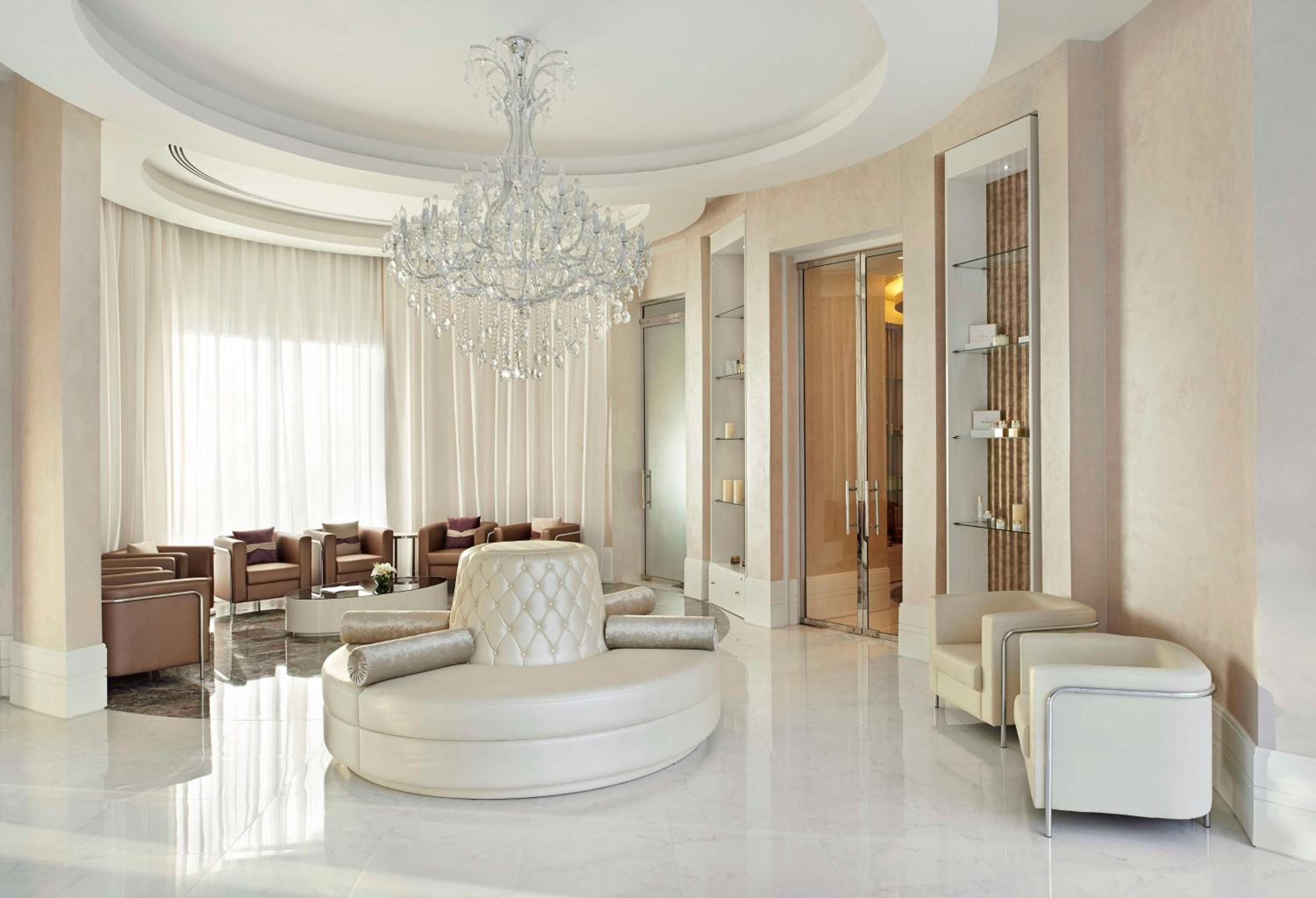
The Waldorf Astoria Spa is a sprawling facility that serves as a genuine sanctuary within the resort. It is far more than a simple collection of treatment rooms; the heart of the spa is its comprehensive thermal area, which includes herbal steam rooms, saunas, and various experience showers. The design here continues the hotel's grand, marble-heavy theme, creating a subterranean world of quietude that feels worlds away from the bright glare of the Dubai sun. Treatments are professional and draw on global techniques, though the facility itself is the main attraction for those who simply wish to lounge in a robe between sauna sessions.
Fitness enthusiasts are well-catered for with a gym that is sufficiently equipped for a full workout, avoiding the common hotel pitfall of providing only a few treadmills. The tennis court is also a popular feature for guests who prefer active leisure over the sedentary life of the spa. While the hotel does not market itself specifically as a wellness retreat, the combination of the long beach for walking, the separate adult pool, and the extensive spa facilities makes it a very effective choice for couples or solo travellers looking to reset. Everything is designed to accommodate a slow pace of life, which is a luxury in itself in this fast-moving emirate.
Service standards and atmosphere
One area where the Waldorf Astoria consistently outperforms its newer, flashier neighbours is in the maturity and consistency of its service. The staff here operate with a level of practiced professionalism that suggests a well-oiled machine rather than a new opening still finding its feet. From the doormen to the housekeeping staff, there is a polite, unobtrusive efficiency that makes a long stay feel seamless. Requests are handled promptly, and the concierge team is particularly adept at navigating the complexities of Dubai’s dining and entertainment bookings, often securing tables that appear unavailable through standard apps.
The public spaces of the hotel are scaled on a grand level, with high ceilings and wide corridors that prevent the property from ever feeling crowded, even during the peak school holiday periods. There is a sense of calm that permeates the lobby and the main thoroughfares, which is a rare find on the Palm Jumeirah. This atmosphere makes it equally suitable for couples seeking a romantic getaway and families who want a high-end environment that isn't overly precious about children. It strikes a difficult balance between being a prestigious luxury hotel and a functional holiday resort, largely thanks to the generous physical footprint and the professional temperament of the team.
Navigating the value proposition
In the competitive landscape of the Palm, the Waldorf Astoria has positioned itself as the sensible value pick. While it carries a prestigious name, its rates consistently undercut the ultra-luxury arrivals like the Royal Atlantis or the St. Regis. For a guest who prioritises a larger room and a superior private beach over the very latest interior design trends, the value here is undeniable. You are essentially getting a five-star experience with better facilities than many of its more expensive neighbours, with the only compromise being a decor style that feels slightly more traditional. This makes it an ideal choice for those who want the Palm lifestyle without the 'new opening' premium.
The pricing is highly seasonal, and savvy travellers can find significant bargains by being flexible with their calendar. The period from June to September sees prices drop to their lowest as the Dubai heat intensifies, though the hotel’s excellent pools and air-conditioning make this a viable option for those who plan to stay indoors during the day. Conversely, the fortnight surrounding New Year is the most expensive time of the year, with rates often tripling compared to the shoulder seasons of May or October. A particularly smart move is to book for mid-January; the weather is identical to the peak Christmas period, but the exodus of holiday travellers means the same King Deluxe room can often be secured for half the price.
The final verdict
The Waldorf Astoria Dubai Palm Jumeirah is a property that knows exactly what it is: a bastion of classical luxury that offers space and serenity in a city that often feels crowded. It wins on the fundamentals of hospitality—large rooms, a magnificent beach, and reliable service—rather than on gimmicks or trend-chasing design. While the interiors are starting to feel like a relic of a previous decade, they are maintained with such care that they read as timeless rather than neglected. It remains one of the most consistent performers on the Palm, providing a predictable and high-quality experience that rewards those who value substance over style.
Ultimately, this is the hotel for the traveller who wants the prestige of the Palm Jumeirah and the benefits of a Waldorf Astoria stay without the inflated price tags of the newest glittering towers. It is best suited to those who are happy to base themselves at the resort for the majority of their stay, as the location on the outer crescent makes frequent city trips a chore. By timing your visit to avoid the extreme peaks of the festive season, you can enjoy a world-class beach resort experience at a price point that represents some of the best value in the United Arab Emirates.
Cheapest June to September; the New Year fortnight is the single most expensive period of the year, often triple a shoulder-season night.